

How much is the entrance fee at Monte Albán, and does it include the museum?
The quick answer for 2026
As of January 1, 2026, the standard entrance fee to Monte Albán is 210 MXN. For many visitors, that is the only ticket you will need, because the fee is intended to cover both the archaeological zone and access to the on-site museum areas when they are open. If you are planning your day around the museum, it is still worth checking the posted hours at the entrance, since temporary closures or schedule changes can happen.
One detail that often surprises travelers is that the Museo de Sitio may be listed as “sin costo” on official museum directories. In practice, this usually means there is no separate museum-only ticket sold at the door, because entry is managed through the archaeological zone’s admission process. Your best habit is simple: keep your ticket with you until you finish both the ruins and the museum.
Does the ticket include the on-site museum?
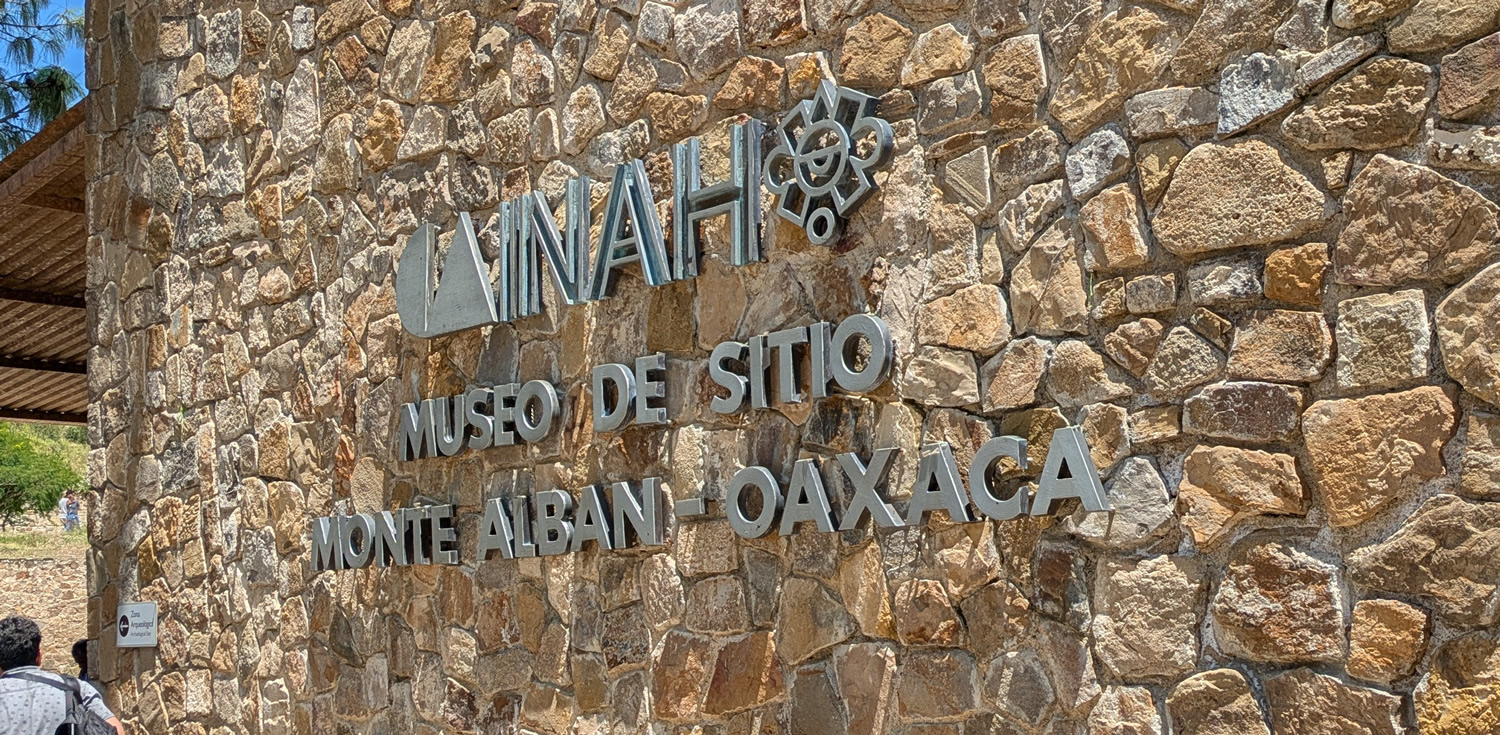
Yes, your Monte Albán entrance fee is intended to include the on-site Museo de Sitio, located near the base of the site. The museum is designed to give visitors the context that the plazas and platforms cannot explain on their own, including how the Zapotec city developed, what daily life looked like, and how tombs and funerary practices changed through time. If you have the energy for only one “extra” beyond the Grand Plaza, the museum is the most efficient way to deepen your visit.
If you arrive late in the afternoon, prioritize based on your interests. Many travelers like to start with the museum to understand what they will see on the hill, then walk the site with fresh context. Others prefer to tour the ruins first, then cool down indoors with the exhibits. Either approach works, but the museum is easiest to enjoy when you are not rushing the last minutes before closing.
Discounts, exemptions, and special access
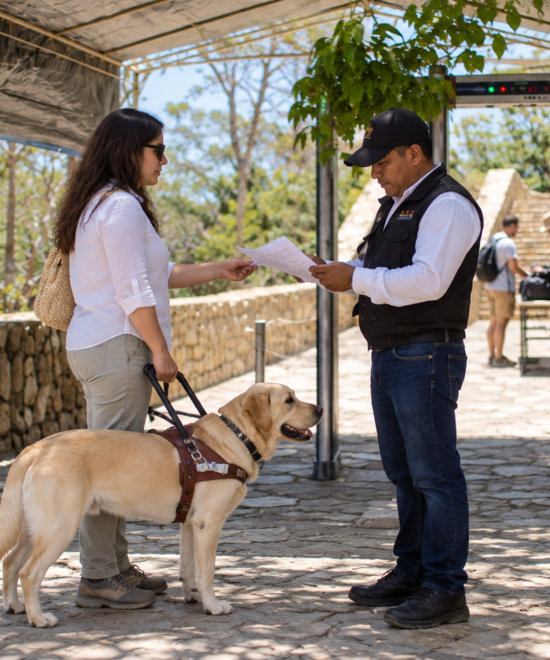
INAH-managed sites in Mexico commonly apply discounts and exemptions for specific groups, and Monte Albán follows that general approach. Mexican nationals and residents with valid credentials may receive a reduced rate, and additional groups such as children, students, teachers, and older adults can qualify for free entry depending on the current published policy. Because these benefits depend on documentation, it is wise to carry the physical ID that matches your status rather than relying on a photo.
There is also a separate rate for visits outside normal operating hours, which is primarily relevant for approved special access rather than standard tourism. If you are a photographer, filmmaker, or researcher who needs something beyond a typical visit, plan ahead and use official channels, because special permissions are handled differently than day-to-day entry.
What you will see inside the Museo de Sitio
The Museo de Sitio de Monte Albán opened in 1994 and was conceived as a museum “in its own context,” meaning the objects remain closely tied to the place where they were discovered. Official descriptions emphasize both permanent galleries and a dedicated space for temporary exhibitions, which is important for understanding why the museum changes from year to year. In other words, even repeat visitors can find something new if a temporary exhibition is on view.
Expect a clear narrative: exploration and early documentation of the site, the founding of the city on a mountaintop, the growth of Zapotec architecture, ceramics, funerary rites, religion, writing systems, and the long arc of influence and trade in the Oaxaca Valley. Many visitors also come looking for context around the famous Tomb 7 discoveries associated with Alfonso Caso’s work. Even when headline objects travel to larger museums, the on-site museum remains a strong place to understand what Tomb 7 represents within the broader story of Monte Albán.
Museum events and exhibitions the site has hosted
The Museo de Sitio is not only a permanent collection, it also functions as a small cultural venue. Over the last few years, its temporary exhibitions have often connected archaeological heritage to living traditions in Oaxaca and neighboring regions. This matters for travelers because it means your museum visit can be more than a quick walkthrough of labels, it can be a time-specific experience that reflects what communities are making and discussing right now.
Examples of documented programming include a photographic exhibition titled “Entre lo místico y lo profano,” presented at the Museo de Sitio, as well as craft-focused exhibitions highlighting regional ceramics. One notable temporary exhibition, “Barro de Atzompa,” was shown at the museum from late September through early December 2024, focusing on emblematic Atzompa artisan work. In 2025, the museum also hosted burnished-clay themed programming tied to artisans from the Tehuacán-Cuicatlán region, presented as a temporary exhibition with a defined seasonal run.
If you enjoy meeting makers and learning by watching, pay attention to whether demonstrations are scheduled during your visit. Temporary exhibitions sometimes include talks, openings, or weekend activities that are announced locally rather than far in advance on a single centralized calendar. Even without an event, you can often spot what is temporary versus permanent by looking for signage at the entrance and in the exhibition hall.
What is in store for 2026
The most concrete 2026 change is the entrance fee itself, which is now higher than many travelers remember from recent years. For planning purposes, this is straightforward: budget 210 MXN per adult for standard entry, then focus on timing your day so you can enjoy both the ruins and the museum without rushing. If you are traveling with family members who may qualify for discounts or exemptions, bring the appropriate IDs and ask at the ticket window to apply the current rules.
In terms of museum programming, the most realistic expectation is continuity plus rotation. The museum has a dedicated temporary exhibition space, so it is normal for one exhibition to close and another to take its place during the year. Visitor-oriented updates from MAHC indicate that a burnished-clay themed temporary exhibit introduced in 2025 continues into early 2026, which gives January and February visitors a good chance to pair the archaeological visit with a timely exhibition. Beyond early 2026, specific exhibition titles and dates are best confirmed close to your travel date through official listings and on-site notices.
If you want to build your day around the museum, plan for flexibility. Even when an exhibition is scheduled, weather, staffing, conservation needs, or public events can influence access. The good news is that the Grand Plaza and core visitor routes remain the heart of Monte Albán, and the museum is a strong enhancement rather than a requirement. Think of it as the place that answers the questions you will inevitably have after you stand on the hill and look across the valley.
Simple planning tips for a smoother visit
Arrive early if you can. The light is kinder for photos, the walk feels easier in cooler temperatures, and you are less likely to feel rushed if the museum closes earlier than you expected. Bring water and sun protection, because the open spaces around the Grand Plaza can feel intense even on mild days.
If you love context, start with the museum and then walk the site. If you love landscapes, walk the main plaza first and use the museum as a calmer final chapter. Either way, keep your ticket, move at a comfortable pace, and remember that Monte Albán is not just a checklist of structures. It is a place where Oaxaca’s deep past and living culture meet in a single afternoon.