


Archaeology Update: How to Visit Tomb 10 at Huitzo, The Discovery of the Decade
How to visit Tomb 10 at Huitzo
You cannot visit Tomb 10 at Huitzo independently yet. As of May 2026, the newly announced Zapotec tomb at Cerro de la Cantera in San Pablo Huitzo is still undergoing conservation, stabilization, and archaeological study. Travelers should wait for an official opening from INAH or local authorities before planning a visit. Current public reporting points to a possible partial opening near the end of 2026, once the site can receive visitors safely.
Once access is formally approved, the most responsible way to visit will be through a guided trip from Oaxaca City, following all rules on photography, group size, bags, and movement near the tomb. Tomb 10 is not simply a new stop on an archaeology route. It is a fragile Zapotec funerary space with murals, carved stone elements, and calendrical inscriptions that require careful protection.
Why this discovery matters
In January 2026, Mexico’s National Institute of Anthropology and History announced the discovery of Tomb 10, a Zapotec funerary complex located at Cerro de la Cantera in San Pablo Huitzo. The tomb dates to around 600 CE, placing it in the Late Classic period, when Monte Albán still influenced political, ritual, and artistic life across the Central Valleys. For travelers who love archaeology, the announcement is exciting, but it also calls for patience.
Federal authorities described the find as one of Mexico’s most important archaeological discoveries of the last decade. Its importance comes from both its age and its level of preservation. The tomb preserves mural painting, carved stone, symbolic imagery, and inscriptions that give specialists a rare window into Zapotec ideas about ancestry, status, ritual, and sacred time.
What archaeologists found inside
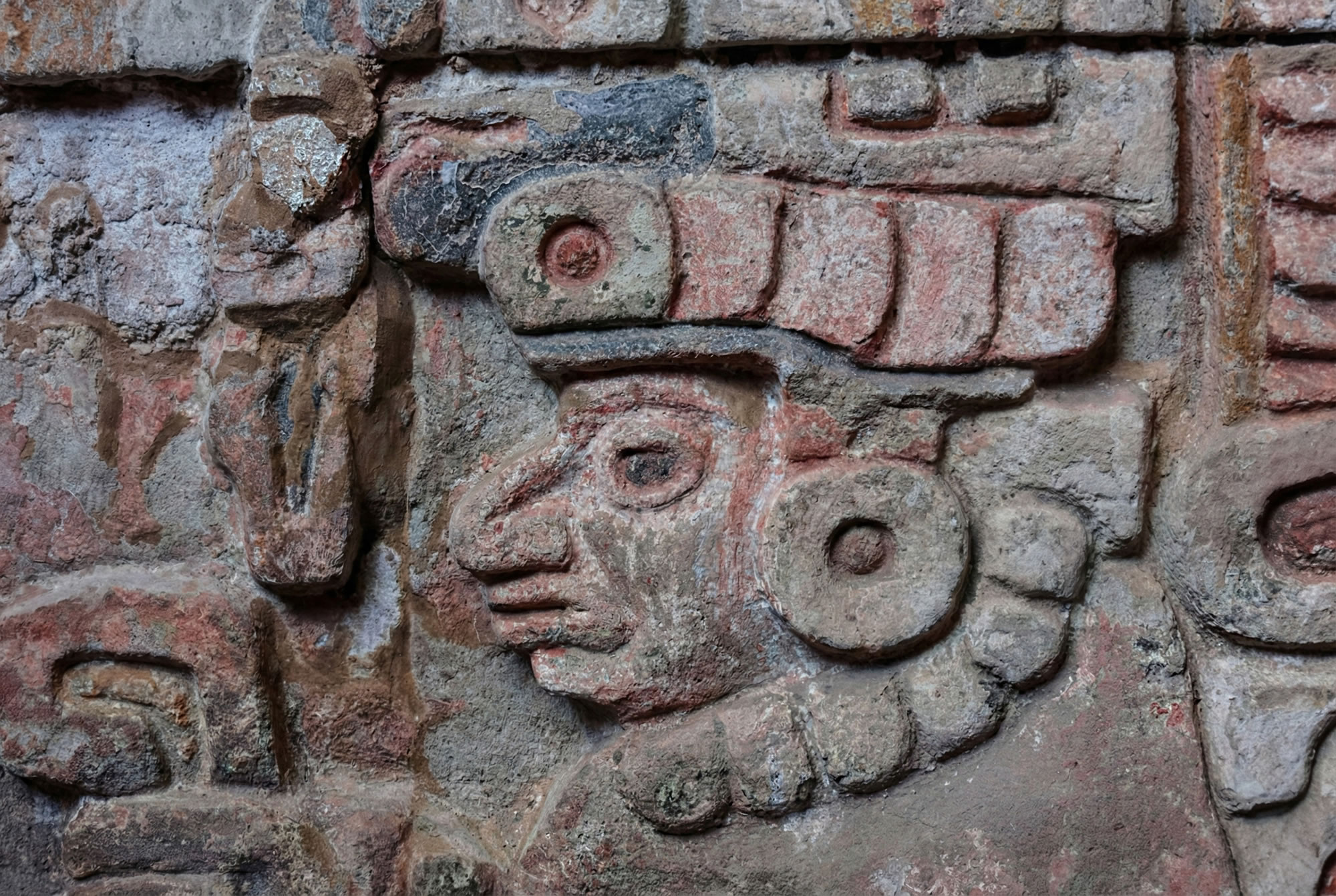
Tomb 10 is especially notable for the visual program around its entrance and chamber. Above the doorway, archaeologists identified a sculptural owl, an animal associated in Zapotec symbolism with night, death, and the underworld. From its beak emerges a human head, a powerful image that may refer to the high status ancestor connected with the tomb.
The entrance is framed by carved stone jambs showing a male and female figure with elaborate headdresses and ritual objects. A lintel above the threshold includes stone slabs engraved with calendrical names, an important detail for understanding Zapotec identity and time reckoning. These elements suggest that the tomb belonged to an elite lineage with deep ritual and political significance.
Inside the chamber, polychrome murals survive in colors including ochre, white, green, red, and blue. One of the most discussed scenes shows figures carrying bags of copal, the aromatic resin still used in ceremony in many parts of Oaxaca. For visitors familiar with Monte Albán, these details help connect Huitzo to a broader Zapotec world of ancestor veneration, sacred architecture, and ritual movement.
Where Huitzo is located
San Pablo Huitzo is located about 35 kilometers northwest of Oaxaca City, in the Etla region of the Central Valleys. The tomb is associated with Cerro de la Cantera, also referred to in connection with the Huijazoo complex. This landscape includes hills, fields, settlements, and routes that have connected communities for centuries.
For now, travelers should treat Huitzo as a future archaeology destination, not as a fully equipped visitor zone. Until public access is officially confirmed, the best way to understand the discovery is to visit Monte Albán first. Monte Albán gives essential context for Zapotec urban planning, elite tombs, carved monuments, and the political geography that shaped the valleys.
What to expect when it opens
When Tomb 10 opens to the public, visitors should expect controlled access rather than open wandering. The tomb contains delicate murals and carved features that can be affected by humidity, temperature changes, light, dust, and physical contact. For that reason, access may involve limited group sizes, set routes, guided interpretation, and restrictions on flash photography.
This kind of management is normal for fragile archaeological spaces. It protects the tomb while still allowing the public to learn from it. A careful visit will likely feel different from walking through a large open site like Monte Albán. It may be slower, quieter, and more focused on interpretation.
How to plan responsibly from Oaxaca City
The first step is to wait for official guidance from INAH, the local community, or recognized visitor authorities. Do not attempt to enter the area informally, and do not follow unofficial directions that encourage access before the opening. Archaeological spaces in Oaxaca are protected heritage places, and unauthorized visits can damage fragile materials or create security risks.
Once visits are allowed, a guided trip from Oaxaca City will likely be the best option for most travelers. A good guide can connect the tomb with Monte Albán, Atzompa, Yagul, Mitla, and the continuing presence of Zapotec communities in Oaxaca today. This context matters because Tomb 10 is not an isolated treasure. It is part of a long cultural landscape that still deserves care and respect.
Travelers should plan to go light. Wear comfortable walking shoes, bring water in a reusable bottle, and follow all instructions from site staff. Avoid touching stone, stucco, painted surfaces, or exposed architecture. If photography is allowed, take images without flash and without blocking the movement of other visitors.
How Tomb 10 changes an Oaxaca archaeology itinerary
For many years, travelers have built their Oaxaca archaeology itineraries around Monte Albán, Mitla, Yagul, Dainzú, Lambityeco, and Atzompa. Tomb 10 does not replace those places. Instead, it adds a new chapter to the story of the Central Valleys and reminds us that major discoveries are still possible in landscapes that may seem familiar.
The discovery also brings new attention to San Pablo Huitzo, a community now connected to one of Mexico’s most important recent archaeological announcements. If visitation is managed carefully, the site can become a meaningful educational experience without being reduced to a hurried photo stop. The best visitor will arrive with curiosity, humility, and a willingness to follow conservation rules.
The respectful answer for 2026
The practical answer is clear: do not go to Tomb 10 yet unless official public access has been announced. Use 2026 to follow the conservation updates, visit Monte Albán for context, and prepare for a future guided experience when the site is ready. Waiting is part of responsible travel when a discovery is this delicate.
When Tomb 10 is ready to receive visitors, it may become one of the most important archaeology experiences near Oaxaca City. Until then, Huitzo reminds us that Oaxaca’s past is still present beneath the surface. It waits in stone, pigment, memory, and the careful work of archaeologists and local communities.


