October 26, 2025 · by Arion Díaz
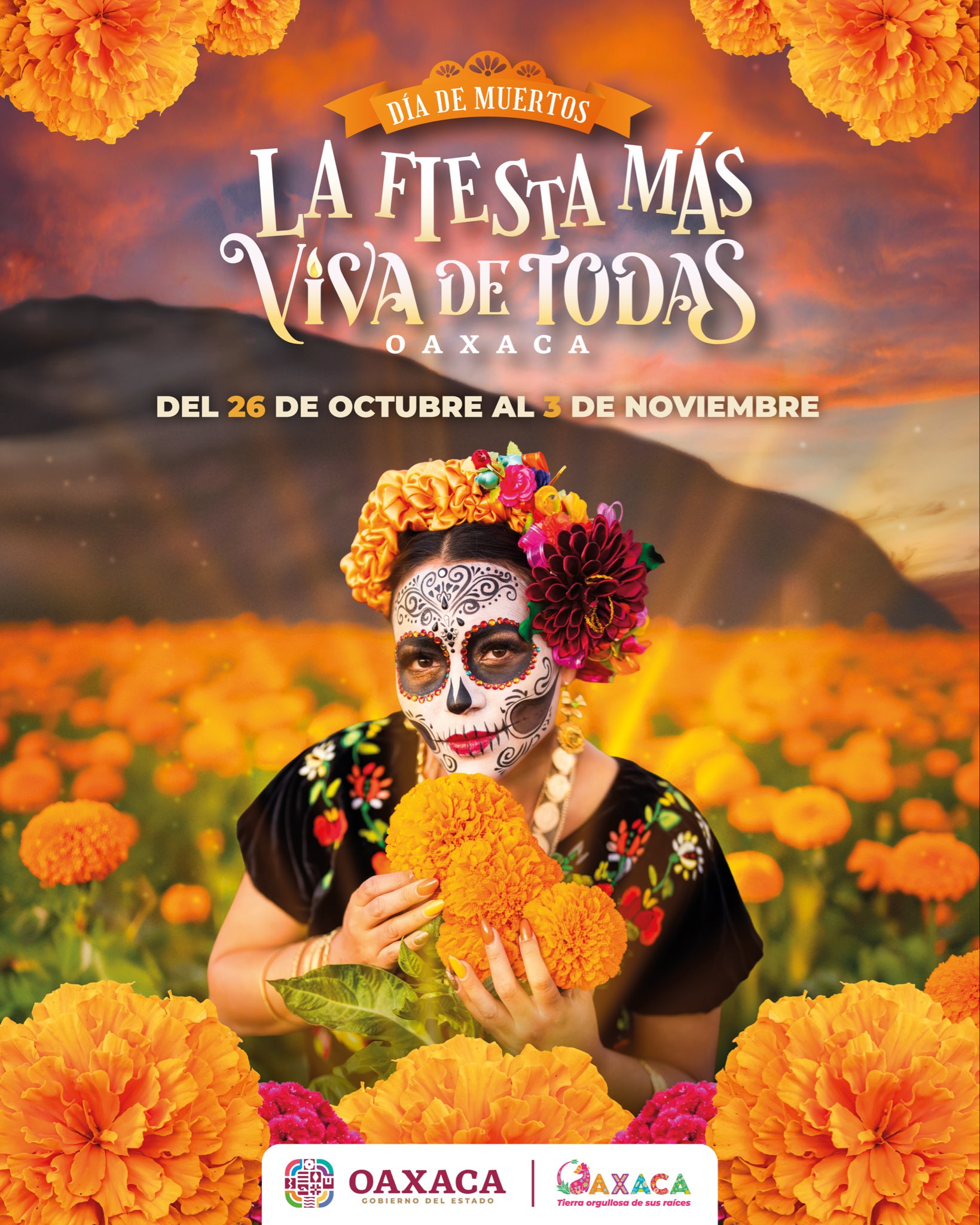
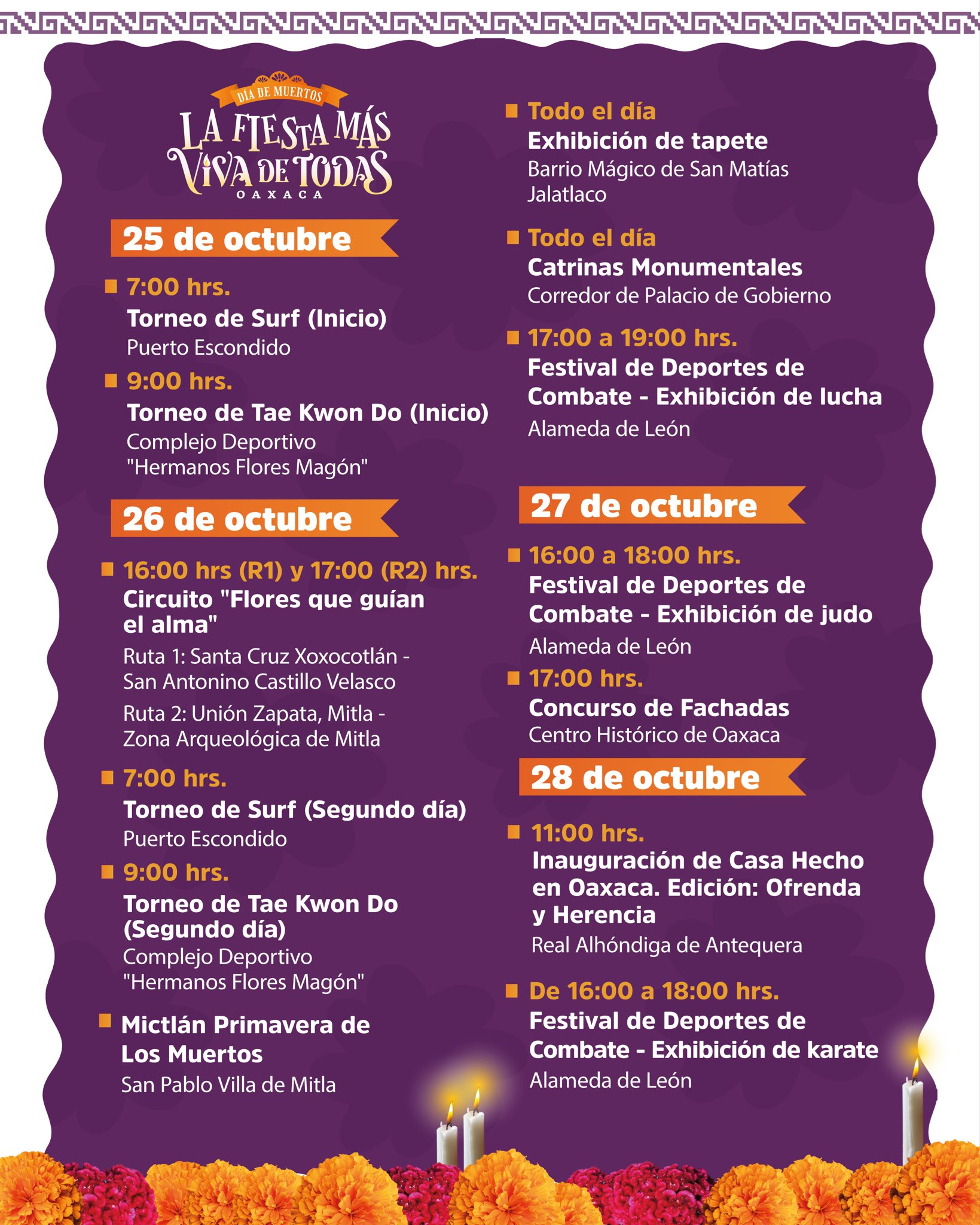
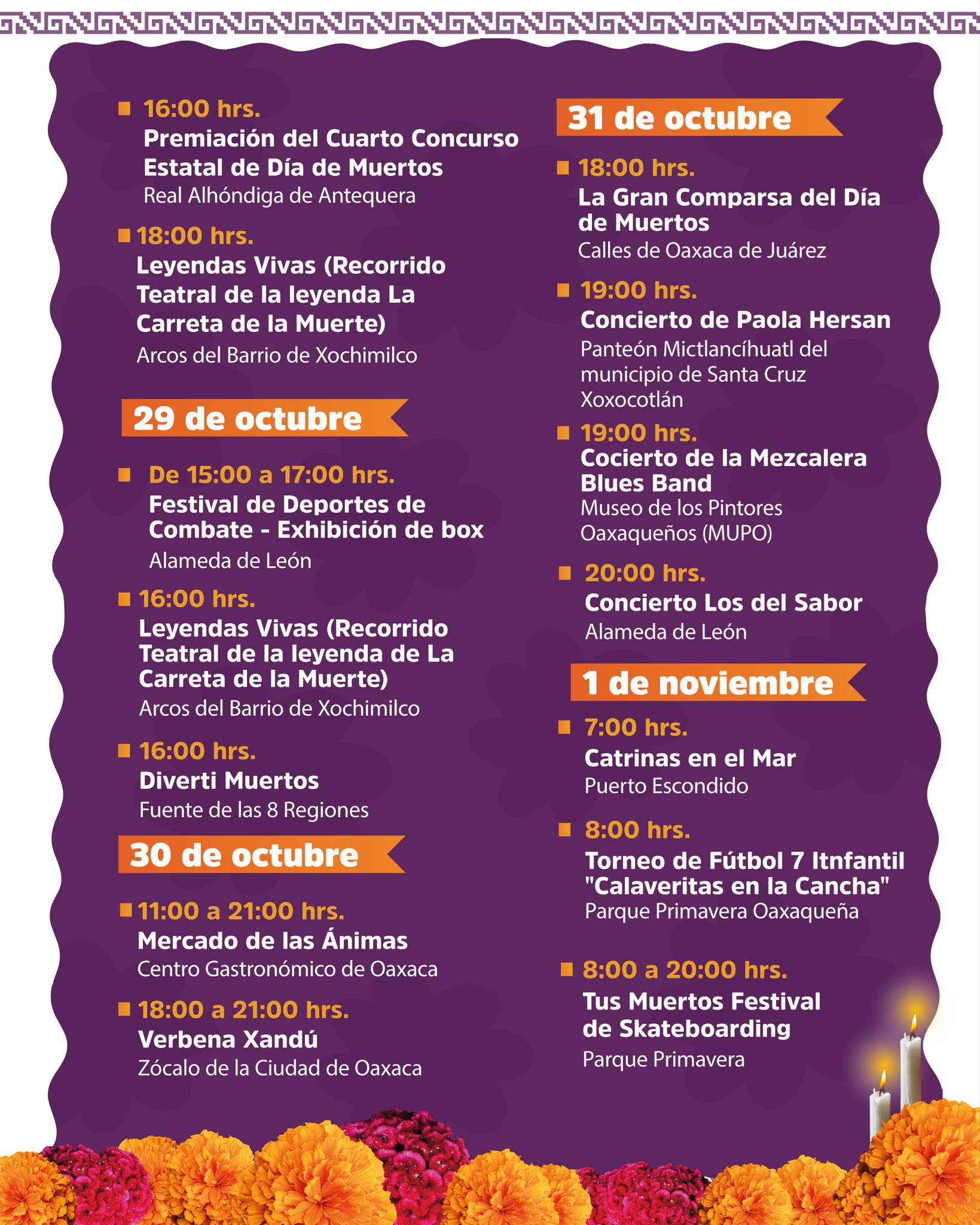
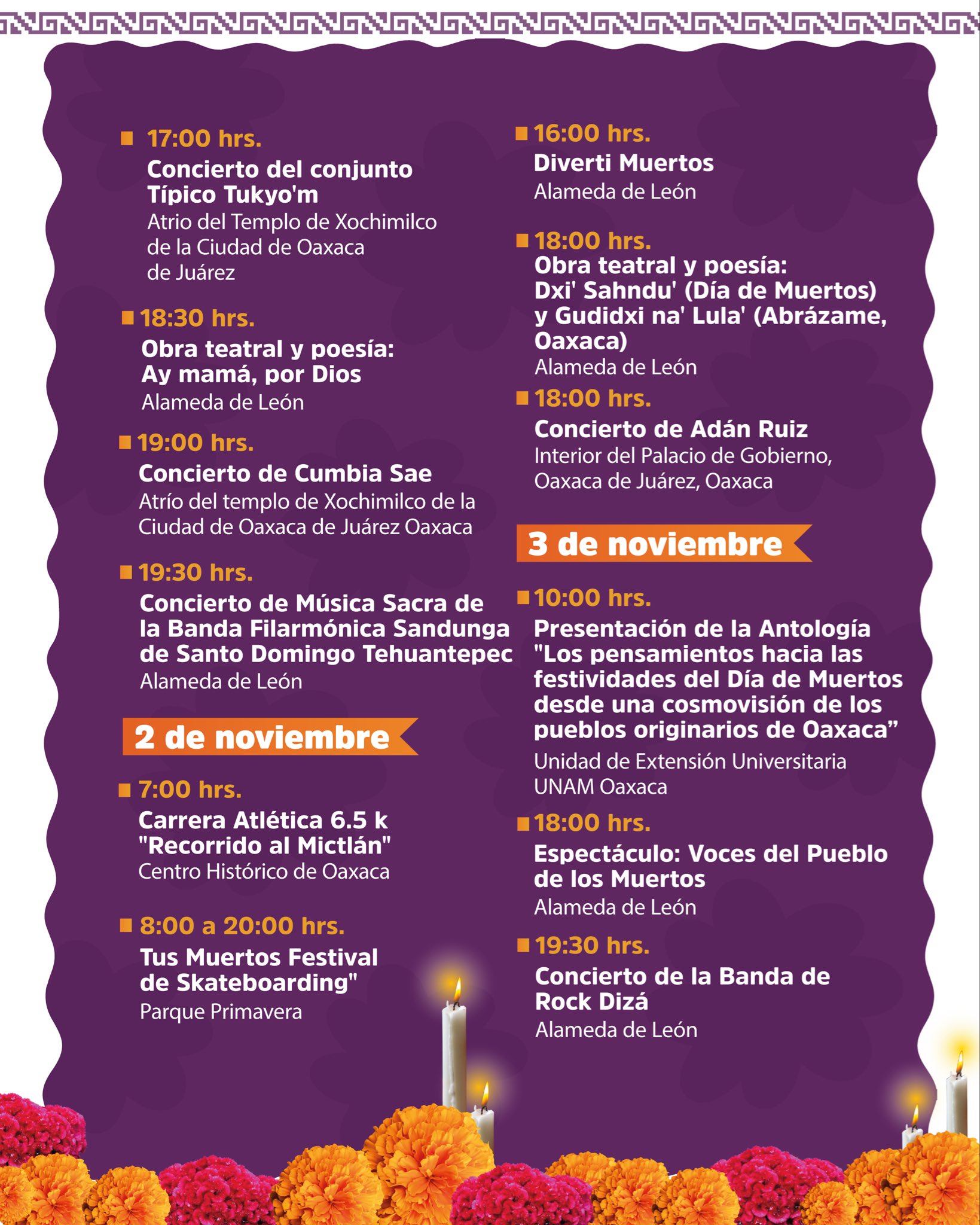
As the cool autumn breeze sweeps through the valleys of Oaxaca, the anticipation for Day of the Dead builds, drawing visitors from around the world to this cultural heartland. The “La Fiesta Más Viva de Todas” program for 2025 has just been unveiled, promising an enriching blend of ancient traditions and modern festivities. Centered in Oaxaca City and extending to nearby areas like Santa Cruz Xoxocotlán and Mitla, this event highlights the region’s deep-rooted Zapotec heritage, much like the enduring legacy of Monte Albán.
Organizers expect over 138,000 tourists to join locals in commemorating loved ones through vibrant rituals. The program runs from October 26 to November 3, offering a chance to experience Oaxaca’s unique way of blending life and remembrance. For those exploring Monte Albán, these celebrations provide a perfect complement, connecting archaeological wonders with living customs.
This year’s edition emphasizes accessibility, with free events designed to welcome international travelers. Participants can immerse themselves in the sights, sounds, and scents that define Oaxacan culture. Planning ahead ensures a smooth visit amid the crowds, allowing for meaningful connections to this UNESCO-recognized tradition.
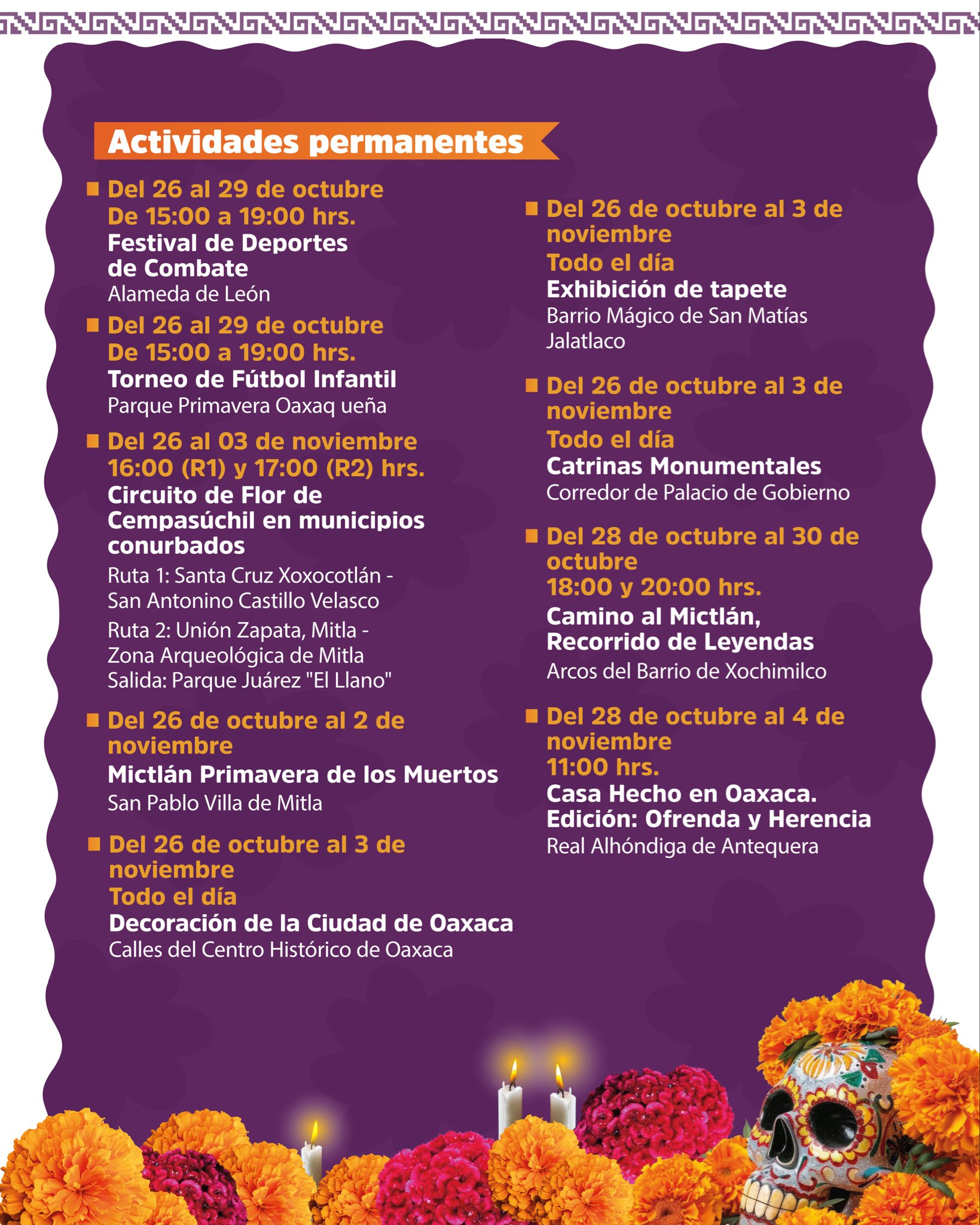
A freshly released event map serves as an essential guide for navigating the festivities across Oaxaca. It details venues from the historic center of Oaxaca City to the atmospheric cemeteries of Santa Cruz Xoxocotlán and the ancient ruins of Mitla. This tool helps visitors plot their journey, ensuring they catch highlights without missing the essence of each site.
Key spots include the Panteón de Xoxocotlán, where families decorate graves with marigolds and candles, creating a glowing tribute at night. In Mitla, events tie into the site’s Zapotec history, offering a bridge to nearby Monte Albán. The map is available online and at tourist information points, making it easy to integrate with day trips to archaeological zones.
Travelers should note the map’s focus on pedestrian-friendly routes, promoting exploration on foot. This approach aligns with Oaxaca’s emphasis on sustainable tourism. By following the map, visitors can discover hidden gems, such as local markets selling traditional crafts inspired by Monte Albán motifs.
The inclusion of multiple locations encourages a broader appreciation of the region. From urban plazas to rural settings, the map fosters a comprehensive experience. It’s particularly useful for those combining cultural events with visits to Monte Albán, enhancing understanding of Zapotec influences.
One of the standout features this year is the Catrina Contest on October 25, where participants showcase elaborate costumes inspired by La Catrina, the iconic skeletal figure. Prizes reach up to 50,000 pesos, attracting creative entries from locals and visitors alike. This event adds a playful element to the solemn observances, inviting everyone to engage actively.
Registration is open to all, with categories for different age groups to encourage family involvement. The contest takes place in Oaxaca City’s central plaza, surrounded by colonial architecture that echoes the area’s rich history. For tourists, it’s a chance to don traditional attire and feel part of the community.
Other contests include altar competitions, where elaborate ofrendas are judged on creativity and adherence to tradition. These often incorporate elements from Zapotec culture, similar to those found at Monte Albán. Participating or observing provides insight into Oaxacan values of remembrance and artistry.
Visitors are encouraged to book spots early, as spaces fill quickly. These activities foster cultural exchange, allowing travelers to learn from locals. They also highlight the festive side of Day of the Dead, balancing reflection with joy.
The Grand Comparsa Parade on October 31 stands as a pinnacle of the celebrations, featuring alebrijes, giant puppets, and fireworks that light up the night sky. This procession winds through Oaxaca City’s streets, drawing crowds to witness the fusion of music, dance, and visual spectacle. It’s a vibrant expression of Oaxacan creativity, rooted in indigenous traditions.
Participants include local dance troupes and musicians, performing to rhythms that echo Zapotec heritage. The parade route passes near historic sites, offering glimpses of colonial and pre-Hispanic influences. For visitors, arriving early secures prime viewing spots along the path.
This event culminates in a communal gathering, where stories and laughter fill the air. It exemplifies how Day of the Dead honors the past while embracing the present. Those exploring Monte Albán earlier in the day can see parallels in the symbolic representations.
Safety measures ensure a family-friendly atmosphere, with designated areas for children. The parade’s energy is infectious, leaving lasting memories. It serves as a bridge between observers and participants, deepening appreciation for Oaxacan culture.
On October 30, gastronomic fairs offer free samples of pan de muerto and tamales, showcasing Oaxaca’s renowned cuisine. These fairs set up in central plazas, allowing visitors to savor flavors integral to Day of the Dead rituals. The aromas of chocolate and spices fill the air, creating an inviting sensory experience.
Local vendors share recipes passed down through generations, often tied to Zapotec agricultural practices. This ties into the region’s history, much like the ancient food systems evident at Monte Albán. Tourists can learn about ingredients while enjoying the communal spirit.
These events promote local economies, with opportunities to purchase artisanal goods. They provide a relaxed way to engage with traditions. Pairing this with a visit to nearby markets enhances the cultural immersion.
For a deeper dive, paid circuits to Mitla cost 300 pesos and include workshops on traditional crafts and visits to archaeological sites. These guided tours depart from Oaxaca City, offering expert insights into Zapotec architecture. Mitla’s intricate mosaics complement the grandeur of Monte Albán, providing a fuller picture of the civilization.
Workshops cover altar building and marigold arranging, hands-on activities that educate and entertain. Reservations are recommended, as groups are limited for personalized experiences. This option suits those seeking structured exploration amid the festivities.
The circuits emphasize respect for sacred spaces, guiding visitors on proper etiquette. They connect Day of the Dead to ancient beliefs, enriching understanding. Returning to Oaxaca City, participants carry newfound knowledge and mementos.
To make the most of the celebrations, book accommodations early, as Oaxaca sees a surge in visitors. Respect local customs by dressing modestly and avoiding flash photography in cemeteries. Public transportation and walking are ideal for navigating events, reducing environmental impact.
Stay hydrated and wear comfortable shoes for the varied terrain. Engage with locals politely, as sharing stories enhances the experience. Combining these festivities with a trip to Monte Albán offers a holistic view of Oaxacan heritage.
Health precautions, such as wearing masks in crowds, ensure safety. Download the event map and check updates regularly. This preparation allows for a rewarding visit filled with cultural discoveries.
Day of the Dead in Oaxaca echoes the Zapotec reverence for ancestors seen at Monte Albán’s tombs. The site’s ancient rituals parallel modern ofrendas, linking past and present. Visitors to Monte Albán can draw connections, appreciating how these traditions endure.
The Heritage Center encourages exploring both, fostering deeper cultural understanding. This integration highlights Oaxaca’s role as a guardian of Mesoamerican history. It invites reflection on life’s cycles amid stunning landscapes.
As celebrations unfold, they reaffirm the vitality of Oaxacan identity. Joining in honors this legacy, creating personal ties to the region. Monte Albán stands as a timeless backdrop to these vibrant expressions.


26 pages of vital information that you need to make your visit to Monte Albán unforgettable... completely FREE!
Your PDF is downloading
Monday, July 20, 2026
Monday, July 27, 2026
These routes assume reserved seating. Free sections C and D require arriving much earlier.
The itinerary opens in Oaxaca Atlas and remains fully editable.