


The History and Legacy of the Backstrap Loom of Santo Tomás Jalieza, Oaxaca
Introduction to a Timeless Craft
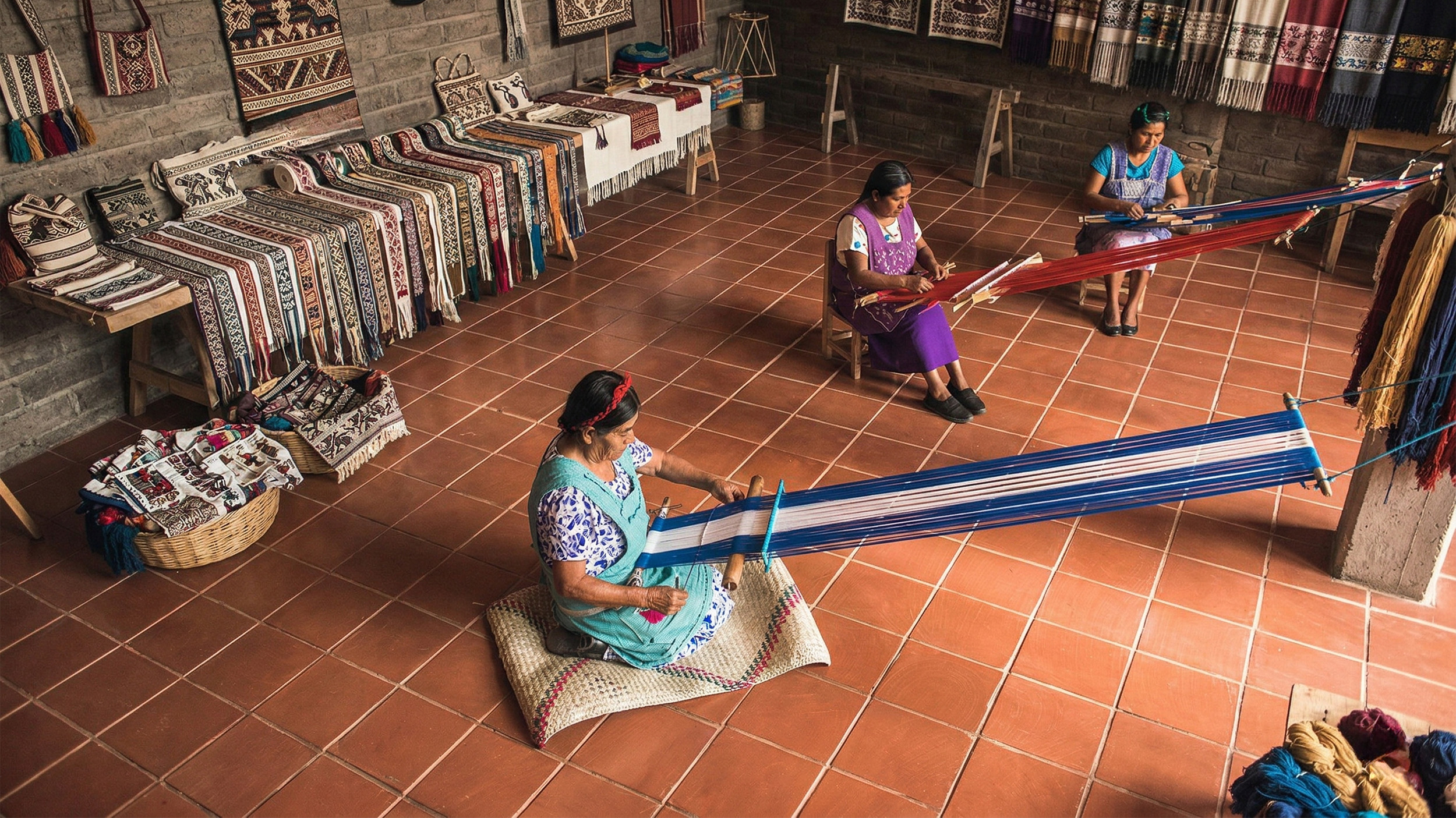
Nestled in the valleys of Oaxaca, the town of Santo Tomás Jalieza holds a special place in the region's rich textile heritage. Here, the backstrap loom, an ancient weaving tool, continues to produce intricate cotton textiles that blend tradition with daily life. This craft, passed down through generations, reflects the enduring spirit of Zapotec artisans who have kept their cultural practices alive amidst changing times.
Visitors to Oaxaca often seek out these handmade pieces, drawn by the vibrant colors and patterns that tell stories of indigenous history. The backstrap loom itself is a simple yet ingenious device, allowing weavers to create belts, bags, and other items with remarkable precision. As you explore this article, you'll discover the depths of this tradition and how it connects to the broader Oaxacan landscape.
Whether you're planning a trip or simply curious about Oaxacan culture, understanding the backstrap loom offers a window into the soul of Santo Tomás Jalieza. It's a reminder of how crafts can preserve identity and foster community in a modern world.
The History of the Backstrap Loom
The backstrap loom has roots that trace back to pre-Hispanic times, with evidence suggesting its use as early as 900 B.C. in Mesoamerica. In Oaxaca, Zapotec and Mixtec communities adopted this portable weaving method, which allowed women to weave while tending to other household duties. The loom consists of wooden sticks and a strap that wraps around the weaver's back, creating tension for the threads.
In Santo Tomás Jalieza, this technique became specialized for cotton textiles, particularly belts adorned with geometric patterns inspired by nature and ancient symbols. Historical records from colonial times note the importance of weaving in indigenous economies, where textiles served as tribute and trade goods. Over centuries, the craft evolved, incorporating new dyes and designs while maintaining its core principles.
Today, the history of the backstrap loom is intertwined with efforts to conserve Oaxacan textile traditions. Publications like "The Unbroken Thread" highlight how these practices have survived through community resilience and adaptation.
The Legacy Today
The legacy of the backstrap loom in Santo Tomás Jalieza is one of cultural preservation and economic empowerment. Artisans, mostly women, form cooperatives that standardize prices and promote their work to tourists. This has helped sustain the craft in an era of mass-produced goods, ensuring that traditional knowledge is passed to younger generations.
Modern interpretations blend ancient motifs with contemporary styles, appearing in fashion and home decor worldwide. Organizations like Friends of Oaxacan Folk Art support these weavers, emphasizing the handmade process from spinning cotton to final weaving. The loom's legacy also contributes to broader discussions on indigenous rights and heritage in Mexico.
As global interest in sustainable and ethical crafts grows, Santo Tomás Jalieza stands as a model of how traditions can thrive. The backstrap loom remains a symbol of Oaxacan ingenuity and pride.
About Santo Tomás Jalieza
Santo Tomás Jalieza is a small Zapotec town in the Ocotlán District of Oaxaca's Valles Centrales region. With a population focused on artisan crafts, it's renowned for its textile market where visitors can watch demonstrations and purchase items directly from makers. The town's name derives from Zapotec words meaning "below the sand hill," reflecting its geographical setting.
Life here revolves around community events and the weekly market, especially vibrant on Fridays. Bougainvillea-lined streets and a central park add to its charm, making it a peaceful contrast to bustling Oaxaca City. The local economy benefits from tourism, with weaving cooperatives playing a key role in cultural exchange.
Beyond textiles, the town offers glimpses into rural Oaxacan life, including traditional foods and festivals that celebrate indigenous heritage.
How to Get There
Located about 35 minutes south of Oaxaca City, Santo Tomás Jalieza is accessible by various means. The most convenient option is taking a bus from Oaxaca's central terminal to Ocotlán de Morelos, then a short taxi ride to the town. The journey costs around a modest fare, making it budget-friendly.
For those preferring flexibility, hiring a taxi or using ride-sharing apps like Didi from Oaxaca City takes about 30-45 minutes directly. Organized tours often include transportation, combining visits to nearby artisan villages like San Martín Tilcajete.
Driving is straightforward via Highway 175, with clear signage. Once there, parking is available near the market, allowing easy exploration on foot.
What to See and Do
Start your visit at the artisan market, where you can observe backstrap loom demonstrations and shop for unique textiles. Engage with weavers to learn about their techniques and the stories behind patterns. The town's church and central plaza offer serene spots for reflection.
For a deeper experience, join a workshop or tour organized by local cooperatives. Nearby attractions like the archaeological sites of Monte Albán complement a trip, providing context to Oaxacan history. Don't miss trying local cuisine, such as tlayudas, at small eateries.
Santo Tomás Jalieza invites visitors to connect with living traditions, making it an enriching addition to any Oaxaca itinerary.


