
'/%3E%3Cpath%20fill='%2330c2dc'%20d='M493%20379c-14-6%2010-16%2014-16-8-1-21%203-27%203l-57-3c-7-1-12-10-10-10-3%203-37-9-27%200l9%2014c15-3%2030%208%2013%2014%203%200%2057-4%2085-2'/%3E%3Cpath%20fill='%23f9aa51'%20d='M475%20366v13q-1%207-7%207h-35q-6-1-7-7v-13q0-6%207-7h35q7%201%207%207'/%3E%3Cpath%20fill='%230c8489'%20d='M388%20335c-11%205-28-12-25-24%203-13%2028-2%2029%2014%207-2%2020%202%2025%207%209-11%2038-3%2041%2010%2011-13%2028-9%2034-3%2013-10%2033-4%2030%207-3%2012-29%2015-37%206-1%201-20%200-22%2016h-11c-3-4-2-14-1-15-11%204-29-3-34-10-7%204-25-1-29-8'/%3E%3Cpath%20fill='%23fcca3d'%20d='m419%20304-3%203c-7-4-11%208-19-2-2-3-3-10%205-16%205-3%2018-5%2019%200%203%206%207%206%204%209l4%203v9zm56%2031c-15%204-16%209-15%2012q-7-6-1-10c-9-8-10%206-8-6%201-8%2024%205%2018-15h9q-1%2015%2017%2019c0%2024%202-3-6%205-2%200-5-6-14-5'/%3E%3Cpath%20fill='%238f4620'%20d='M418%20268c-4-24%2020-46%202-44-16%201-18-2-18-2-6-7%2010-11%209-20q2%2011%205-4c2%206%204%208%205-3%205%207%2017%205%2025%2010q-3-6-10-11c-12-11%2012-9%2012-9%2033-11%2044%2012%2061%2012-17%203%2013-2%2038%2058-18-11%2012-1-7%2067%200%200-45-57-36-39-10-5-20-18-20-18-11%203-2%204-1%2020%200%200%2043%2030%2045%2036%201%206-10%204-25%207-16%202-23-20-22-10s-16%205-16%205-19-29-19-9c-39-3-20-15-20-15s10%202%208-2c-2-3-12-4-16-29m-7-66'/%3E%3Cpath%20fill='%23f9c83a'%20d='M407%20220c10%203%2015-3%2016%204%204%204-22%209-19%2014-7%203-18-10-5-16%201-5%206-3%206-3l6-8q3%207-4%209'/%3E%3Cpath%20fill='%23a8ac71'%20d='M403%20309c-15%201-19%205-23-16-18-16-8-25-7-28%201-8-12-11-15-10-1-8%2022-1%2021%209-1%209-7%2011%206%2024%205%204%203%2014%2011%2011-1%204%203%2010%207%2010m6-18c10-8-24%202-26-24-1-15%2027-22%2023-34l-5-3q1-4%207-3c19%2015-11%2027-14%2038-4%2024%2031-5%2025%2029l-3%205q-7-4-7-8m-11-54c-25%206-23-35-7-35%201%2020-15%2015%205%2015-8%200-13%2011-3%2012q1%206%205%208'/%3E%3C/svg%3E)


The Joyful Origins of Maize: Discovering Yagul and Mitla
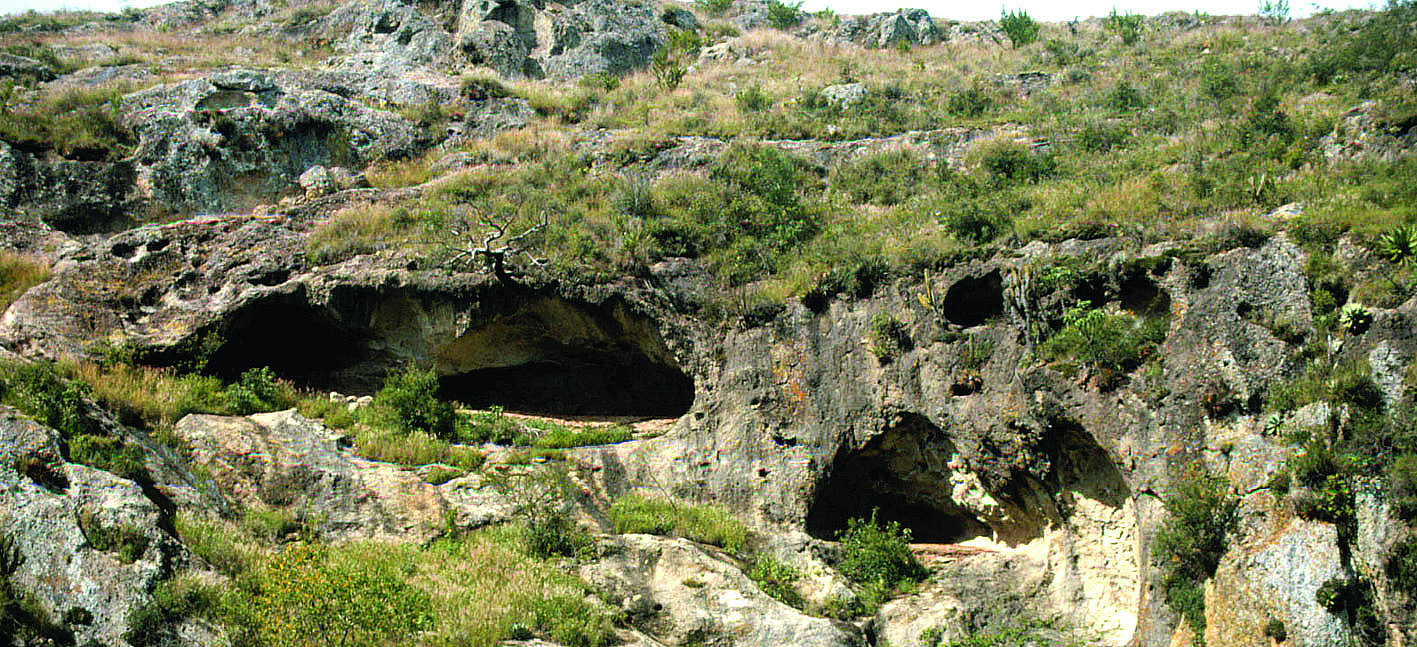
In the rugged hills east of Oaxaca City lies an extraordinary cradle of civilization: the prehistoric caves of Yagul and Mitla, part of the UNESCO-recognized “Prehistoric Caves of Yagul and Mitla” World Heritage Site. Here, thousands of years ago, humans first domesticated maize, laying the foundation for agriculture in North America. This corridor, about 45 km from Oaxaca City, offers not grand pyramids but a profound connection to the origins of Mexican culture, where visitors can walk the very ground where corn, beans, squash, and chili peppers were first cultivated.
A guided visit often begins at Yagul, a smaller archaeological site with a hilltop fortress and ancient ball court. Its true treasure, however, lies in a protected natural area studded with over 280 caves. Following a dusty trail lined with agaves and copal trees, visitors can explore accessible rock shelters (bring a flashlight!) and imagine life millennia ago. Inside these caves, archaeologists like Kent Flannery uncovered 4,000-year-old corn cobs—“no bigger than a finger”—alongside traces of beans and ash from ancient hearths, confirming that between 5000–3000 BCE, people here transformed wild teosinte grass into maize, sparking an agricultural revolution that reshaped Mesoamerica.
Farther down the valley lies Mitla, the second-most important Zapotec city after Monte Albán. Mitla’s ruins feature elaborate stone mosaics and tombs, crafted with thousands of cut stones forming unique geometric grecas—no two patterns are alike. Beneath Mitla’s Church Group lies “Lyobaa,” meaning “place of rest” in Zapotec, a rumored underground labyrinth associated with the underworld in folklore. Recent geophysical scans by INAH and UNAM researchers have identified voids and passageways beneath the famous mosaic fretwork, hinting at hidden tombs or ceremonial chambers that add intrigue to Mitla’s palace courtyards.
Visiting Yagul and Mitla is a different kind of tourism—part natural hike, part archaeological pilgrimage. The landscape of steep basalt outcrops and hidden rock shelters offers silence and dignity rather than grandeur. You might spot a pair of hawks circling overhead or a shy grey fox darting between rocks, with motion-sensor cameras revealing ocelots and badgers in this vibrant ecosystem. On clear evenings, local communities host astronomy nights, honoring how ancient farmers tracked seasons by the stars. Community guides from nearby villages like Villa Díaz Ordaz or Tlacolula share Zapotec names and stories for each cave and hill, connecting visitors to a living heritage.
Travel Tips
- Start early at Mitla, about 1 hour from Oaxaca City, to explore its stone mosaics and tombs.
- Bring a flashlight to explore Yagul’s accessible rock shelters safely.
- Pack water and snacks, and try local tetela corn masa snacks or tejate drink at Mitla’s market.
- Hike to Yagul’s El Mirador viewpoint for panoramic valley views.
- Hire a community guide from Villa Díaz Ordaz or Tlacolula for deeper insights into Zapotec history.
A combined Mitla and Yagul day trip offers a holistic view of Oaxaca’s heritage, from the dawn of agriculture to the heights of Zapotec architecture. As one Oaxacan writer reflected, “without this change, there would be no tamal, no tortilla, no mole… no Mexico.” These humble caves gave rise to the food and culture that define Oaxaca today. The journey connects visitors to the ingenuity of early cultivators, whose legacy lives in every bite of corn bread or sip of pozol. In the quiet caves and timeworn hills, where local children race among giant cacti, you’ll find the heart of Oaxaca’s story—a story of respect, wonder, and connection still being told.