

The Traditional Origins of Oaxacan Mole

Unveiling the Essence of Mole
Picture yourself in a bustling Oaxacan market, the air thick with the aroma of toasted chilis, cinnamon, and chocolate simmering together. This is mole, the soul-stirring sauce that defines Oaxacan cuisine. More than just a dish, mole is a story of cultural fusion, a testament to the ingenuity of indigenous peoples and the waves of influence that shaped Mexico. As you dip into its complex flavors, you are tasting centuries of history, where each ingredient whispers tales of resilience and creativity.
In Oaxaca, mole is not everyday fare but a celebration of life’s milestones. It graces tables at weddings, baptisms, and even funerals, binding communities in shared preparation and enjoyment. You will find that locals take immense pride in their moles, each family recipe a guarded treasure passed down through generations. As a traveler, stepping into this world feels like an invitation to become part of that legacy, one flavorful bite at a time.
The word mole comes from the Nahuatl term mōlli, simply meaning sauce. But in Oaxaca, it transcends simplicity, evolving into a symphony of up to 30 ingredients, carefully balanced to create depth and harmony. Whether poured over turkey, chicken, or enchiladas, mole invites you to slow down and appreciate the artistry behind it.
Pre-Hispanic Roots
Long before the arrival of Europeans, the indigenous peoples of Mexico, including the Zapotec and Mixtec in Oaxaca, crafted sauces from native ingredients. These early moles were grounded in chilis, the fiery heart of Mesoamerican cuisine, blended with herbs, seeds, and sometimes fruits or vegetables. Historical accounts from the 16th century, like those by Bernardino de Sahagún, describe these sauces served with fish, game, or tamales, emphasizing their role in daily and ceremonial meals.
In pre-Hispanic times, chocolate was revered but reserved for beverages and rituals, not savory dishes. Instead, these ancient sauces relied on the biodiversity of Oaxaca’s landscapes, from coastal plains to mountainous highlands. You can imagine ancient cooks grinding ingredients on a metate, a stone tool still used today, infusing each batch with intention and respect for the earth. This foundation of mole honors the indigenous wisdom that sustains Oaxacan culture, making locals rightfully proud of their heritage.
The diversity of Oaxaca’s microclimates allowed for a variety of chilis and herbs, laying the groundwork for the regional moles we know now. These pre-colonial practices were communal, often prepared for feasts honoring gods or marking seasons, connecting people to their ancestors and the land.
Colonial Fusion and Legends
The arrival of the Spanish in the 16th century transformed mole, introducing Old World ingredients like nuts, spices, raisins, and olives. This fusion created the rich, layered sauces emblematic of Mexican mestizaje, the blending of indigenous and European cultures. While Puebla often claims the invention of mole poblano through convent legends, Oaxaca’s moles evolved similarly, incorporating these new elements into local traditions.
One popular legend tells of nuns in Puebla’s Convent of Santa Rosa hastily combining ingredients, including chocolate, to impress a visiting archbishop. Though this story may be more myth than fact, it highlights the improvisational spirit that birthed modern mole. In Oaxaca, the emphasis is on regional adaptations, where indigenous bases met Spanish influences, resulting in sauces that symbolize unity and adaptation.
Influences extended beyond Europe; trade routes brought Asian spices and even Middle Eastern techniques, enriching the palette. As you explore Oaxaca, you will see how this colonial era turned mole into a national treasure, reflecting Mexico’s complex history in every velvety spoonful.
Despite the conquest’s disruptions, indigenous communities preserved core elements, ensuring mole remained a bridge between past and present.
The Seven Moles of Oaxaca
Oaxaca is celebrated as the land of the seven moles, each a unique expression of the region’s diversity. Mole negro, the darkest and most complex, features chocolate, charred chilis, and spices, often served at grand celebrations. Mole rojo brings heat with guajillo chilis, while coloradito offers a milder, reddish hue from ancho chilis.
Then there is mole amarillo, bright and tangy with yellow chilis and herbs like hoja santa, perfect for lighter dishes. Mole verde shines with fresh greens, pumpkin seeds, and tomatillos, providing a herbaceous contrast. Mole manchamantel, or tablecloth stainer, mixes fruits like pineapple with chilis for a sweet-spicy profile, and mole chichilo uses ashes from burned chilis for its smoky depth.
These varieties stem from Oaxaca’s indigenous groups and terrains, with some regions adding their twists, like mole blanco from the Mixteca. As you taste them, you will appreciate how each mole tells a story of place and people, inviting you to explore beyond the plate.
Beyond the seven, innovations continue, with chefs incorporating foraged mushrooms or seasonal fruits, keeping the tradition alive and evolving.
Preparation as a Ritual
Making mole is a labor of love, often spanning days and involving entire families. You start by toasting ingredients separately, chilis until blistered, nuts until golden, spices until fragrant. Then comes grinding, traditionally on a metate or in a molcajete, to create a smooth paste.
This paste is fried in lard or oil, then diluted with broth and simmered for hours. The process demands patience, as rushing can unbalance the flavors. In Oaxaca, preparation is ritualistic, with cooks offering thanks to the ingredients and ancestors, ensuring the mole carries spiritual weight.
Modern tools like blenders have eased the work, but many purists stick to traditional methods. When you join a cooking class here, you will feel the connection, hands-on with the same techniques used for generations.
The communal aspect fosters bonds, as neighbors share tasks, turning mole-making into a social event that strengthens community ties.
Mole in Celebrations and Daily Life
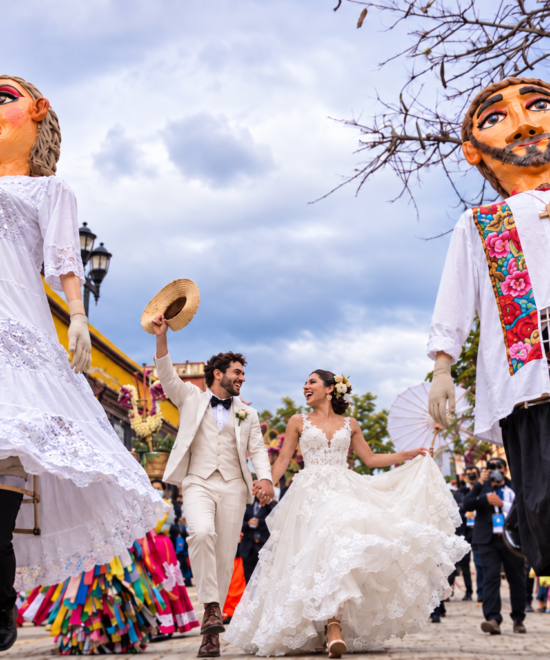
In Oaxaca, mole marks life’s rhythms. For weddings, mole negro might crown the feast, symbolizing richness and longevity. At funerals, mole chichilo provides comfort with its somber depth. Religious festivals and holidays like Día de los Muertos feature mole as offerings, honoring the deceased.
Even in daily life, mole appears in markets and homes, though reserved for special occasions due to its complexity. You will find it elevates simple proteins, turning meals into memorable experiences. This integration into culture makes mole a living heritage, proudly shared with visitors like you.
Recent gatherings, such as Oaxaca’s annual mole festivals, highlight its ongoing relevance, drawing crowds to taste and learn.
Experiencing Mole in Modern Oaxaca
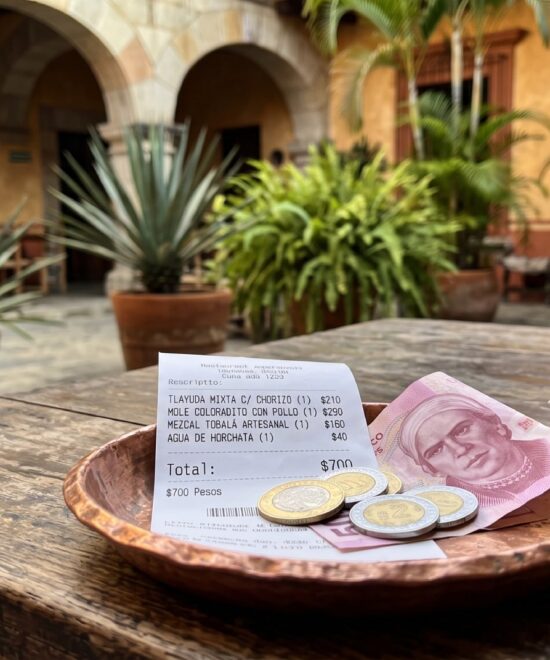
Today, Oaxaca buzzes with places to savor authentic mole. Restaurants like Origen and Criollo offer traditional takes with innovative twists, using local, sustainable ingredients. Markets in Tlacolula or Ocotlán let you sample from vendors who have perfected family recipes.
Join workshops at spots like Casa de los Sabores to make your own, or attend events like the Feria del Mole in July. As of November 2025, new pop-ups emphasize plant-based moles, catering to modern palates while honoring origins.
Whether dining in a fine establishment or a street stall, you will feel welcomed into Oaxaca’s heart, where mole continues to weave stories of tradition and innovation.
Embrace the invitation; let mole guide you through Oaxaca’s flavorful past and vibrant present.