

Where can I taste and buy real mezcal in Oaxaca? The Definitive Guide to Authentic Agave
The Spirit of the Zapotec Soil
To begin your journey into mezcal is to embrace an exploration of the profound connection between the Oaxacan landscape and its ancient cultural history. Here, in the recognized capital of this complex spirit, mezcal is far more than just a drink; it is a cultural symbol deeply entwined with the region’s rugged topography and multi-generational traditions.
Visitors should approach the spirit with the same clarity and respect afforded to monumental sites like Monte Albán, as its creation is equally reliant on specialized knowledge and a significant investment of time. Mezcal production, much like the ingenious architecture of the ancient Zapotec civilization, acts as a living guide to our region’s agricultural and engineering history. It is an experience that is deeply personal, intimate, and entirely alive with cultural context.
For those aiming to find and purchase truly authentic mezcal, your objective must be to seek out spirits crafted with integrity, patience, and traditional knowledge. The commitment to biodiversity, the extreme timelines required for agave maturation, and the wisdom passed down through generations represent a cultural practice on par with Oaxaca’s highest achievements. Therefore, the simple act of tasting and buying mezcal becomes a vital form of cultural engagement, setting the proper foundation for your responsible exploration of the Central Valleys.
Decoding Authenticity
The rapid rise in mezcal’s global popularity means that consumers must first understand the official classifications defined by the Mexican standard, known as the NOM, to guarantee quality. Mezcal is legally separated into three categories based on production methodology: Mezcal, Mezcal Artesanal, and Mezcal Ancestral, with the first category permitting industrial processes. If you want the true soul of the spirit, you must prioritize those labeled Artesanal or Ancestral, as these prohibit industrialized equipment such as autoclaves, diffusers, and column stills.
The difference between the two traditional categories hinges on the method of crushing the cooked agave hearts (piñas) and the material used for distillation. For Mezcal Artesanal, the piñas are typically cooked in subterranean earthen pits to create the characteristic smoky profile, and crushing is usually done using the large stone wheel known as a tahona. The spirit is then typically distilled in copper pot stills, which produce a spirit that is bright and consistent.
Mezcal Ancestral, by contrast, represents the highest standard of manual labor, preserving techniques virtually unchanged for generations. This category demands that crushing is done exclusively by tahona or entirely by hand-mashing, and fermentation may occur in traditional wooden or clay vessels. The essential difference, however, lies in distillation: Mezcal Ancestral must be distilled in traditional wood-fired clay pot stills with the agave fiber (bagazo) included, contributing a dense, earthy character and notable minerality to the final product.
To read a label like a true Maestro, always look for the production history beyond the required information. Essential details include the category (Artesanal or Ancestral), confirmation that it is 100 percent agave, and the alcohol content (preferably 45 percent or higher, suggesting less dilution). Most importantly, ensure the label specifies the exact community or village of production and the name of the Maestro Mezcalero, which indicates transparency and accountability.
The Agave Palette: Tasting the Oaxacan Landscape
The exceptional flavor complexity of mezcal is directly rooted in Oaxaca’s extreme biodiversity, where varied microclimates support a vast array of magueys, or agave plants. Oaxaca houses 80 percent of Mexico’s fermentable agave species, making it the most important region globally for agave diversity. The choice of agave species, coupled with the long maturation periods, is what truly differentiates one mezcal from another in your tasting glass.
Mezcal is generally produced from either cultivated or wild (silvestre) agave varieties, which require vastly different time commitments. Agave Espadín (Agave angustifolia) is the most commonly cultivated species because it is the easiest to grow and matures relatively quickly over six to ten years. This variety provides an excellent foundational experience, typically offering an earthy, rich, and fruity flavor profile.
However, the most rewarding and complex mezcals come from wild species, which reflect a commitment to patience that often requires more than a decade to reach maturity. Tobalá (Agave potatorum), often called the “King of Mezcals,” grows in high-altitude mountains, takes twelve to fifteen years to mature, and presents soft caramel, minerality, and distinctive floral notes. Even more patient is Tepeztate (Agave marmorata), which can take between twenty-five and thirty years before harvest, resulting in a powerful, assertive flavor characterized by strong minerals and profound herbal or vegetal notes.
The extended maturation period required for these wild agaves necessitates a multi-decade commitment from the producers before any return on investment is realized. When you taste a mezcal made from a species like the thirty-year Tepeztate, you are engaging with a profound, long-term cultural and ecological commitment that dictates its scarcity and higher price.
Immersing in the City (Mezcalerías and Tasting Rooms)
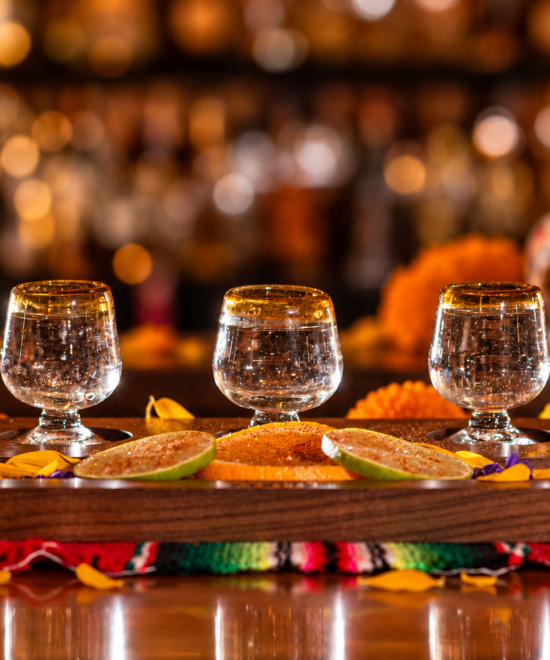
For visitors starting their mezcal education, Oaxaca City’s specialized tasting rooms and mezcalerías provide the ideal setting for structured learning and comparison. These establishments function as curated libraries of the spirit, allowing you to sample and contrast diverse agave varieties and production methodologies under the essential guidance of knowledgeable staff.
Several city venues are renowned for their dedication to authenticity and education, acting as critical quality filters for the consumer. La Mezcaloteca, located near the botanic garden, takes an academic approach, focusing on regional biodiversity and offering complex varietals, making it an essential Mezcal 101 starting point. Likewise, In Situ Mezcalería, created by author Ulises Torrentera and editor Sandra Ortíz Brena, is famous for its pared-back setting and one of the largest mezcal collections in Mexico, making it an intellectual destination for serious tasters.
When you are ready to purchase bottles for export, the city also offers specialized retail venues focused on curated selections. Mis Mezcales is consistently recommended as a premier spot for purchasing high-end, truly artisanal mezcal, offering bottles that are often difficult to find outside of Oaxaca. Another excellent option is Union de Palenqueros, a unique space created by a collective of mezcaleros from Santiago Matatlán, allowing visitors to buy small-batch distillations directly from smaller, home-based producers, often at better price points.
Journeying to the Source (Palenques)
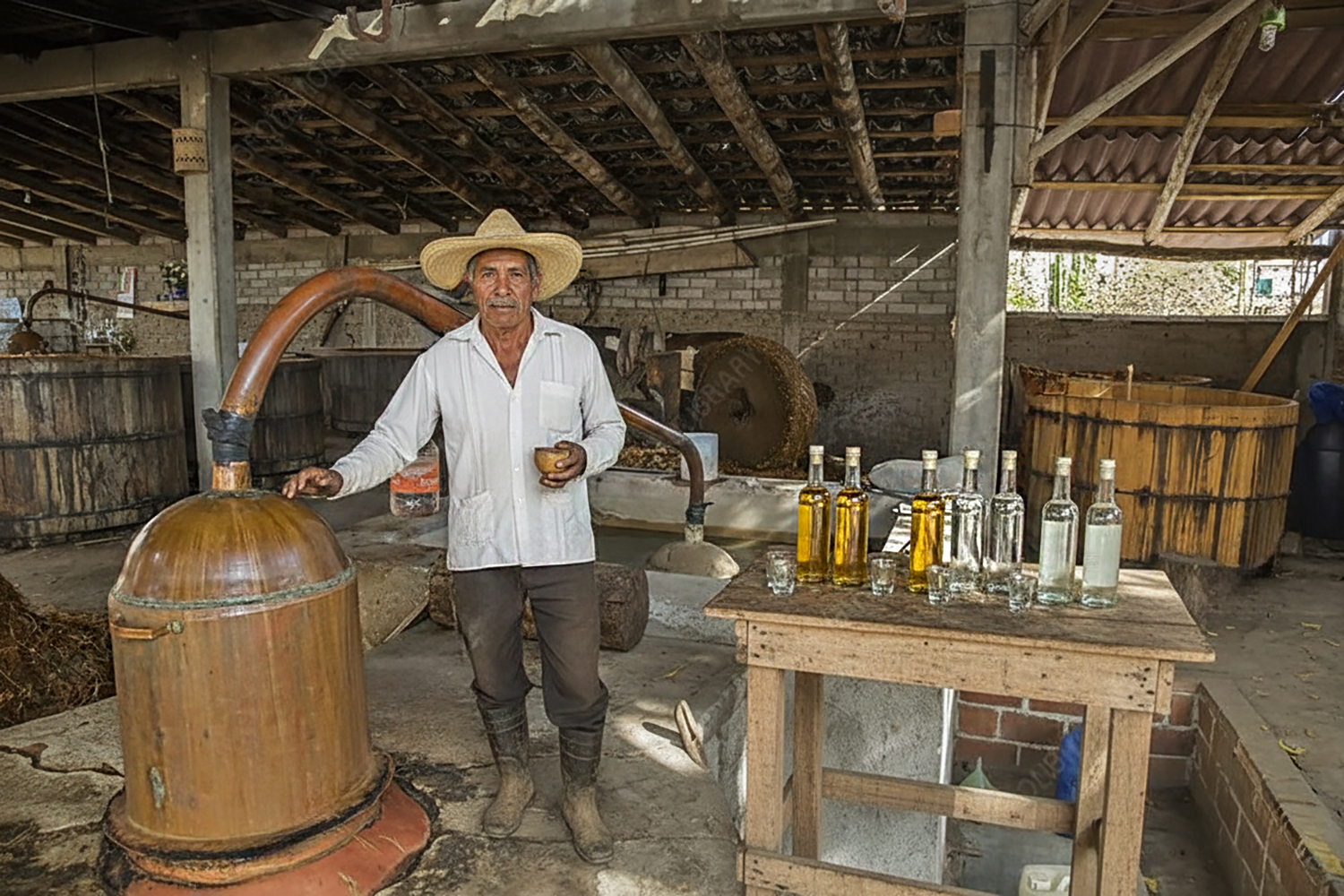
For the most comprehensive understanding of mezcal, a trip to a traditional palenque, or distillery, is a non-negotiable cultural immersion. This excursion allows you to witness the entire production cycle firsthand, from the raw agave fields and the massive pit ovens where the piñas are roasted, to the tahona crushing and the final distillation. A visit to the source makes the traditions spanning years visible and connects you directly to the painstaking labor that defines this historical craft.
The communities south of Oaxaca City are rich with traditional production sites, with the village of Santa Catarina Minas being particularly well-regarded for its concentration of distilleries. This village is famous for its dedication to the Ancestral method of clay-pot distillation, and visiting a multi-generational operation, such as Lalocura, provides profound insight into the continuity of the craft. Since these sites are remote, it is crucial to select dedicated educational excursions run by guides who are deeply connected to the mezcal communities rather than choosing generic tourist routes.
One financial benefit of visiting a palenque is the ability to access the absolute best prices by buying directly from the Maestro Mezcalero, bypassing all middlemen. It is not uncommon for visitors to purchase large quantities of excellent quality mezcal at low prices, such as four liters for approximately 2,000 Mexican Pesos. However, be aware that this direct purchase often comes with a significant caveat: the mezcal is typically sold in unsealed jars or plastic containers, and unsealed alcohol is strictly prohibited from being taken out of Mexico internationally.
The Ethical Buyer: Sustainability and Exporting
The rapidly increasing global demand for mezcal puts immense pressure on natural resources, particularly the slow-maturing wild agave species. As an informed visitor, you carry a unique responsibility to ensure your purchasing power supports ethical and sustainable production practices, helping to safeguard the region’s biodiversity and the traditional economic security of its producers. The ultimate goal is supporting producers who reject massive monoculture projects and demonstrate a commitment to feasible reforestation and replanting of endemic agave species.
By being an informed buyer and directing your funds toward certified Artesanal or Ancestral mezcal from ethical sources, you use your financial decision as a critical vote for the preservation of Oaxacan culture and ecology. Retail establishments like Mis Mezcales or Union de Palenqueros are important partners because they curate their selections, guiding buyers toward small producers committed to these vital conservation goals.
If you plan to bring the spirit home, adherence to export regulations is mandatory for air travel. Federal law may permit up to 60 liters of alcoholic beverages by common carrier, but duty-free exemptions often limit the amount to one liter per adult. Regardless of volume, the spirit must be legally bottled, sealed, and labeled for international travel, so always confirm whether your chosen vendor offers a service for re-bottling to comply with these strict international regulations.
A Toast to the Enduring Craft of Oaxaca
The search for real mezcal in Oaxaca is a profound journey into cultural identity, geology, and patience, requiring thoughtful engagement from every traveler. Whether you begin your education within the curated confines of a city tasting room, such as In Situ or La Mezcaloteca, or embark on the full immersion of a traditional palenque tour in a village like Santa Catarina Minas, the reward is a deeper appreciation for this unique spirit.
Mezcal embodies the slow, profound commitment of the Oaxacan landscape and the ancient heritage of the Zapotec people. By prioritizing spirits categorized as Artesanal or Ancestral, by recognizing the thirty-year lifespan of a wild Tepeztate, and by supporting producers dedicated to replanting endemic species, you ensure your experience is respectful and deeply invested in the continuity of this liquid heritage. Every informed purchase is a vote to safeguard the cultural and ecological continuity of this extraordinary region, so lift your glass and say, Salud.