

The Complete 2026 Guide to the Carnaval Celebrations in Oaxaca
Introduction: The cyclical rebirth of Oaxacan tradition
Carnaval in Oaxaca is more than a party on the calendar. Across indigenous and mestizo communities, it functions as lived heritage, a shared way of reaffirming identity, processing memory, and briefly turning everyday rules inside out. If you plan to visit in 2026, it helps to look beyond the surface spectacle and see how the sacred and the playful sit side by side in the streets.
Oaxaca’s Carnaval is also deeply syncretic. Catholic structures shape the season, but local traditions often subvert them through satire, masks, and characters that feel older than the church calendar itself. Figures like the devils in San Martín Tilcajete or the tiliches in Putla Villa de Guerrero are not simply biblical villains, but tricksters and social mirrors that poke at power, class, and history in ways the whole community understands.
For travelers, the experience is intense and physical. You might hear thundering brass bands, smell burnt oil or wood smoke, and find yourself sharing food, laughter, and mezcal with people you have only just met. This guide is designed to help you plan well and also understand what you are seeing, so your visit feels respectful, informed, and genuinely immersive.
The liturgical framework and the 2026 calendar
Carnaval moves each year because it is tied to Easter. In 2026, Easter Sunday falls on April 5, 2026. Counting back 46 days places Ash Wednesday on February 18, 2026, which marks the beginning of Lent and the shift into a more solemn season.
The peak day for most towns is the day before Ash Wednesday. In 2026, that is Tuesday, February 17, 2026, often called Martes de Carnaval or Mardi Gras. Many communities build toward that climax with pre-events and processions that can begin as early as January, then intensify sharply in the Friday to Tuesday window right before Ash Wednesday.
Key festive window for 2026: intense festivities commonly begin Friday, February 13, 2026, with major weekend parades on Saturday, February 14 and Sunday, February 15. The great climax is Tuesday, February 17, followed by a quieter Ash Wednesday on February 18 that often feels like a day of rest and ritual reset.
The geography of celebration
Oaxaca does not have one single centralized Carnaval. Instead, it is a constellation of local celebrations, each with its own characters, music, and community meaning. Oaxaca City can be a useful base, but the pulse of the tradition often beats strongest in the pueblos, especially on Martes de Carnaval when multiple towns peak at the same time.
Central Valleys: San Martín Tilcajete is known for Los Diablos Aceitados, often linked to satire of marriage and the reversal of purity through oil and charcoal. Villa de Zaachila is known for Los Zancudos (stilt dancers), often connected to historical intimidation stories and syncretic civic duty. San Bartolo Coyotepec features Diablos Cachudos (horned devils), known for close interaction with spectators and local aesthetic ties.
Sierra Sur: Putla Villa de Guerrero is famous for Los Tiliches, a tradition often read as mockery of hacienda-era class hierarchy. Mixteca: Silacayoápam is associated with Los Negros, often framed as a historical representation of African ancestry. Coast: towns like Santiago Jamiltepec and Llano Grande keep versions of the Danza de los Diablos that emphasize Afro-Mexican heritage, ancestral connection, and the memory of rebellion.
San Martín Tilcajete: The oiled devils
San Martín Tilcajete sits about 27 kilometers south of Oaxaca City and is famous year-round for alebrijes (painted wood carvings). During Carnaval, the town transforms into a street theater of masks, bells, and darkened bodies. It is one of the most visited Carnavales by international travelers because the visuals are unforgettable and the energy is constant.
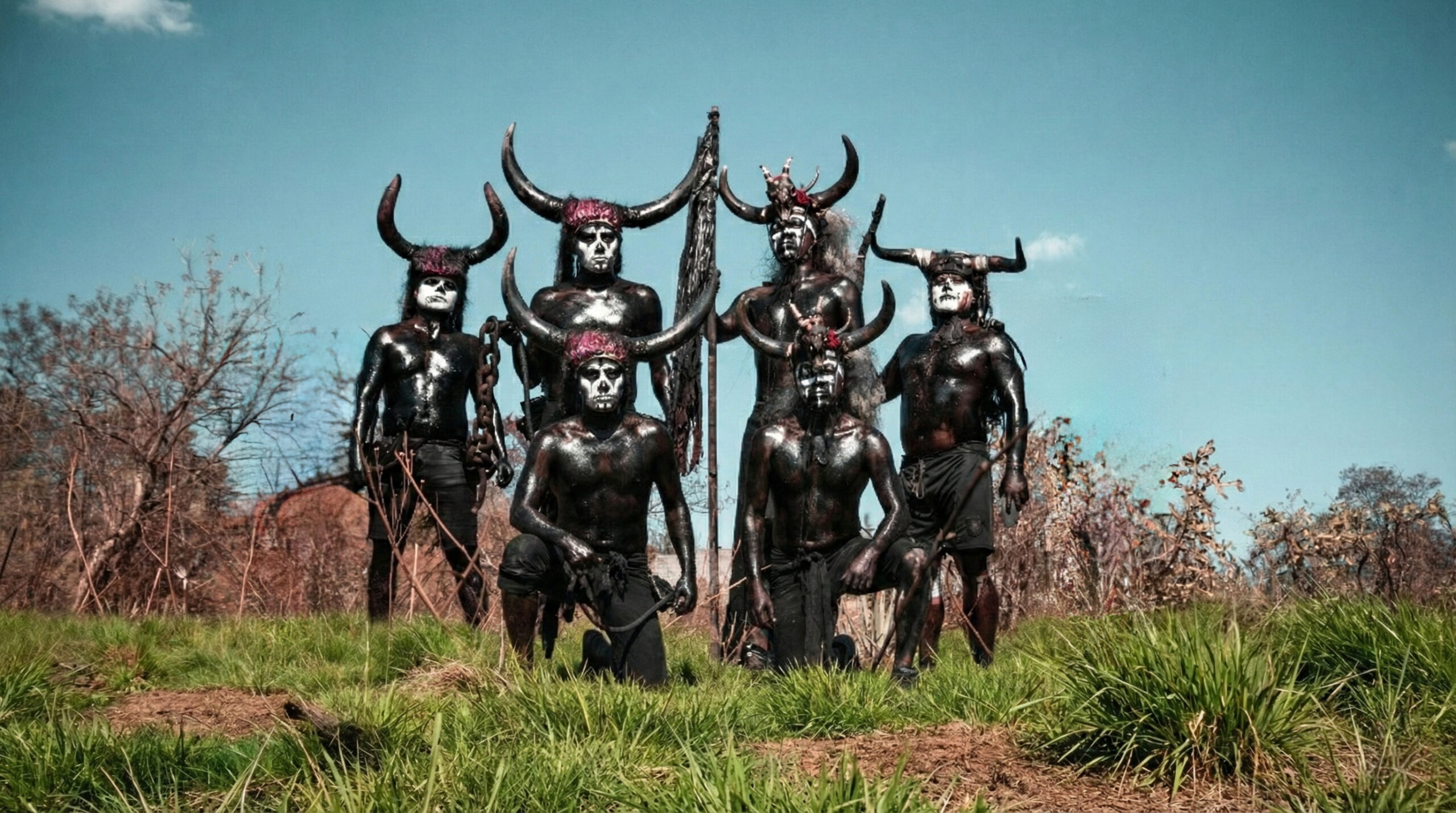
The defining figure is the Diablo Aceitado, a participant coated in a black greasy mixture that historically included burnt motor oil or oil mixed with charcoal. Symbolically, the coating acts as a full-body mask that erases individual identity and allows the wearer to inhabit a force of chaos and earth.
In recent years, some participants choose vegetable oil combined with non-toxic pigments to reduce skin irritation, especially among “Pintados” who prioritize bright designs. The intent remains the same: transformation, anonymity, and a temporary inversion of normal social boundaries.
The hierarchy of the devils
What looks like pure chaos often follows a loose sequence of costume styles. Los Aceitados are the most common and can be the most intimidating, roaming with cowbells (cencerros) strapped to their waists. When hundreds of bells clang at once, it creates a wall of sound meant to awaken spirits and overwhelm the senses.
Los Pintados often appear on major days like Sunday and Tuesday, painting their bodies with bright dots, lines, scales, and patterns that echo the aesthetic vocabulary of alebrijes. It is a newer evolution that highlights the community’s visual artistry.
The masked elite represents the most elaborate form, using hand-carved wooden masks made from copal. These masks depict exaggerated faces, animals, and demonic beings, sometimes with real animal teeth and horsehair manes. Many are heirlooms and can take weeks to carve and paint.
The mock wedding (La Boda)
A central narrative moment in Tilcajete is the Parodia de la Boda, a street performance that satirizes the formality of marriage rituals. Men often cross-dress as the bride in oversized or tattered white gowns, while others play the groom, priest, municipal authorities, and family members.
The wedding parody flips social norms for a day. It mocks pomp, exposes hypocrisy, and invites the crowd into the joke. Visitors may be pulled into dancing or into the “reception,” and the best way to experience it is to stay relaxed, laugh easily, and avoid treating the ritual like a staged performance.
Logistics for San Martín Tilcajete (2026)
Tilcajete is popular, and planning matters in 2026 because many visitors converge on a small town with limited infrastructure. The most economical option is a bus headed toward Ocotlán from areas near the Central de Abastos, with drop-offs near the highway junction and a walk (or moto-taxi) into town.
Colectivos (shared taxis) are another common choice and can be faster but tight in seating. Private tours and workshops can reduce chaos and often provide a secure place to leave clean clothes.
Wear clothes you do not value. Oil and pigment transfer is likely even if you try to stay back. For Tuesday, February 17, arriving by about 10:00 AM helps you see the build-up and secure a good spot before the midday crush. Bring cash in small bills.
Putla Villa de Guerrero: Tiliches and mountain energy
Putla Villa de Guerrero is several hours from Oaxaca City and is often described as one of the most energetic Carnavales in the state. Visiting Putla is best treated as a multi-day commitment, not a quick day trip.
The emblematic costume is the Tiliche (also called El Viejo). Its origin story is rooted in the 1800s hacienda system, when laborers gathered scraps and discarded strips of cloth and transformed them into heavy, dramatic suits that mocked elite finery. Masks helped preserve anonymity.
Today, suits are vibrant and dense, often reported at 10 to 15 kilograms. Some modern variants like “Viejo Tapitas” use recycled plastic bottle caps and can be far heavier. When dancers jump, the suit blooms outward into a bouncing sphere of color.
Putla rituals: El Robo and masita de chivo
Putla’s Carnaval includes ritual actions beyond dancing. El Robo is a theatrical moment where the Viejos enact a “theft” from the Mayordomos (festival sponsors). Symbolically, it plays with redistribution and wit, framing the cleverness of the underclass as a force that can outmaneuver authority.
The essential dish is masita de chivo: goat thickened with cracked corn masa into a hearty, porridge-like texture. Cooked over wood fires and served communally, it is remembered as much for the social moment as for the flavor.
For 2026, the main Putla festivities are commonly described as running February 14 to 17. Lodging is basic and fills early, so plan ahead if Putla is your priority.
Villa de Zaachila: Zancudos, flour, and confetti
Villa de Zaachila, about 15 kilometers from Oaxaca City, features the Danza de los Zancudos, performed on wooden stilts that can reach about 2 meters. The dancers don’t just walk—they hop, stomp, and perform rhythmic footwork in unison to brass bands.
Zaachila is famously interactive through the war of flour and confetti. Harina (wheat flour) is thrown as a playful “blessing,” and cascarones—confetti-filled eggs—are cracked over heads as a friendly or flirtatious gesture. By the end of the day, streets are carpeted with paper fragments and eggshells.
The Afro-Mexican coast: Ancestral resistance
Along Oaxaca’s Costa Chica, Carnaval traditions can carry a distinct Afro-Mexican historical meaning. In towns such as Collantes, Llano Grande, and San José Estancia Grande, the Danza de los Diablos is often understood as ancestral memory shaped by enslavement and ranch labor in the region.
Masks are often smaller than the carved Zapotec styles of the valleys and may feature horsehair beards and deer antlers. The movement is rhythmic and grounded, frequently described as connected to West African dance traditions. Instruments often cited include the bote (friction drum), quijada (donkey jawbone percussion), and harmonica.
A narrative figure like the Terronal (foreman/master) is mocked and symbolically whipped, turning the dance into an embodied story of reversal and reclaimed power.
The 2026 grand parade: Convergence in the city
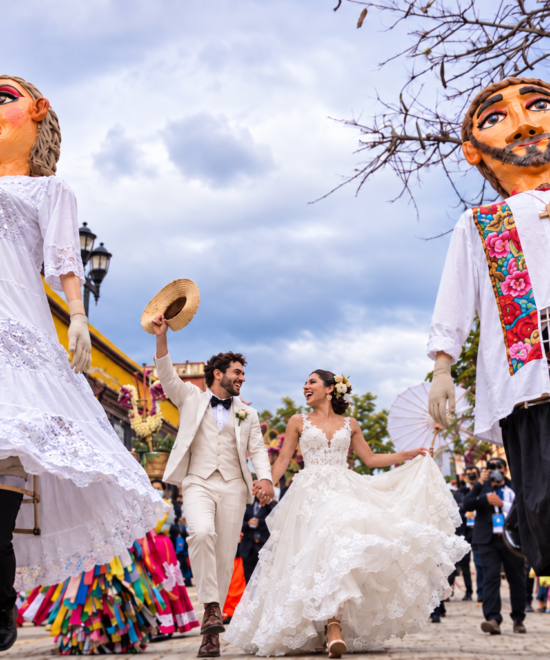
Oaxaca City often hosts a grand parade that brings delegations from different regions into one procession. It is a practical way to see costumes and dances from the Valleys, Sierra, Mixteca, and Coast in a single day.
Predicted timing for 2026: Saturday, February 14, 2026 (based on Ash Wednesday on February 18). Official confirmation is typically expected closer to the season, so keep your schedule flexible.
Viewing strategy: crowds near Santo Domingo can become dangerously dense. Consider watching earlier along the route where the street is wider, or reserving a balcony table months in advance if available.
Culinary anthropology: What to eat during Carnaval
The days before Lent are traditionally indulgent. In Putla, masita de chivo is a communal staple. Across Oaxaca, tamales de Carnaval tend to be larger and richer, often filled with pork or turkey and mole negro.
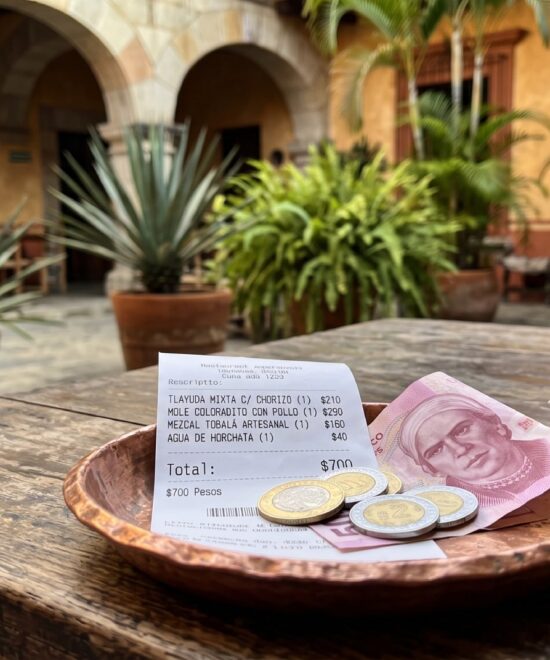
In the Central Valleys, tlayudas are classic fuel for late nights, while Sunday barbacoa in market towns like Tlacolula is a beloved comfort food and hangover remedy. Tejate—made from maize, cacao, mamey seed, and flor de cacao—is a signature pre-Hispanic drink served cold in clay bowls, and aguas frescas help keep you hydrated in the dry February heat.
The role of mezcal
Mezcal is woven into Carnaval hospitality. It may be offered freely by Mayordomos and dancers, poured casually into small cups. In many contexts, refusing bluntly can read as rejecting hospitality rather than avoiding alcohol.
If you do not want to drink, a respectful approach is to accept the cup, take a very small sip, and hold it or discreetly pass it to someone you trust. Hydrate constantly—altitude, sun, and mezcal combine quickly.
Educational immersion: Workshops and art (2026)
A growing trend around Oaxaca’s Carnaval season is structured experiential travel. One listed option is the Oaxaca Art + Culture Workshop (February 13–22, 2026), associated with Pedro Cruz Pacheco and Corrie McCluskey, described as including mixed-media art and private visits tied to Tilcajete mask culture.
Another listed workshop is Michael deMeng’s “Fandango Fantastico” (February 10–19, 2026), described as focusing on assemblage art and puppet creation with excursions linked to Zaachila and Tilcajete. Photography expeditions are also offered by some instructors, often aiming for backstage access to courtyards where dancers prepare.
2026 practical guide: Transport, accommodation, and safety
Transport: Tilcajete is commonly reached by bus toward Ocotlán or by colectivo taxi. Zaachila is usually reached by frequent colectivos and is close enough for flexible planning. Putla is typically a 4–5 hour bus ride and works best as a multi-day visit.
Accommodation: for February 13–18, 2026, book early. Centro/Santo Domingo is walkable but noisy and pricey. Jalatlaco is colorful and a bit quieter. Reforma is more modern but often requires taxis. San Felipe is quiet and residential but farther out.
Safety tips: in Tilcajete, don’t run from the devils (it escalates the game). Stay calm and treat the interaction as part of the ritual. In big crowds, protect your phone and wallet, avoid carrying your passport, and stay alert around the Zócalo and parade chokepoints. Drink water constantly.
Respect matters: ask permission for close-up photos, remember these are communities celebrating heritage (not a theme park), and support local vendors by buying crafts and food.
Conclusion: Why 2026?
Carnaval 2026 arrives at a moment when global attention on Oaxaca is rising and communities are balancing tradition with tourism. Visitors who plan well and show respect often experience something deeper than spectacle: an embodied view of Oaxaca’s humor, resilience, and pride.
In one season you can see towering Zancudos in Zaachila, neon-painted devils in Tilcajete, and the communal intensity of Putla’s Tiliches—paired with ancestral flavors like tejate and masita de chivo. Whether you leave dusted in flour or marked with oil, you leave changed.
Plan early. Travel thoughtfully. The devils are waiting.
Appendix: Quick reference dates for 2026
Ash Wednesday: February 18, 2026.
Carnaval Tuesday (main day in many towns): February 17, 2026.
Start of intense festivities (common planning window): Friday, February 13, 2026.
Key weekend events: February 14–15, 2026.
Putla festivities (commonly described): February 14–17, 2026.
Workshops listed to begin: February 10 or February 13, 2026 (varies by program).
Easter Sunday: April 5, 2026.