


Discover 6 Must-See Hidden Gems in Oaxaca During Semana Santa 2026
Semana Santa transforms Oaxaca. Streets slow down, rituals move into public space, and the city feels more introspective than festive. While many visitors focus only on the most famous landmarks, some of the most powerful experiences during Holy Week happen in quieter places that do not usually make it into standard itineraries.
The following six places consistently stand out in traveler discussions and local recommendations as deeply memorable, especially during Semana Santa. They are not obscure for the sake of being obscure. They are places where time, tradition, and atmosphere align in a way that feels uniquely Oaxacan.
1. Jalatlaco and Xochimilco, Oaxaca City
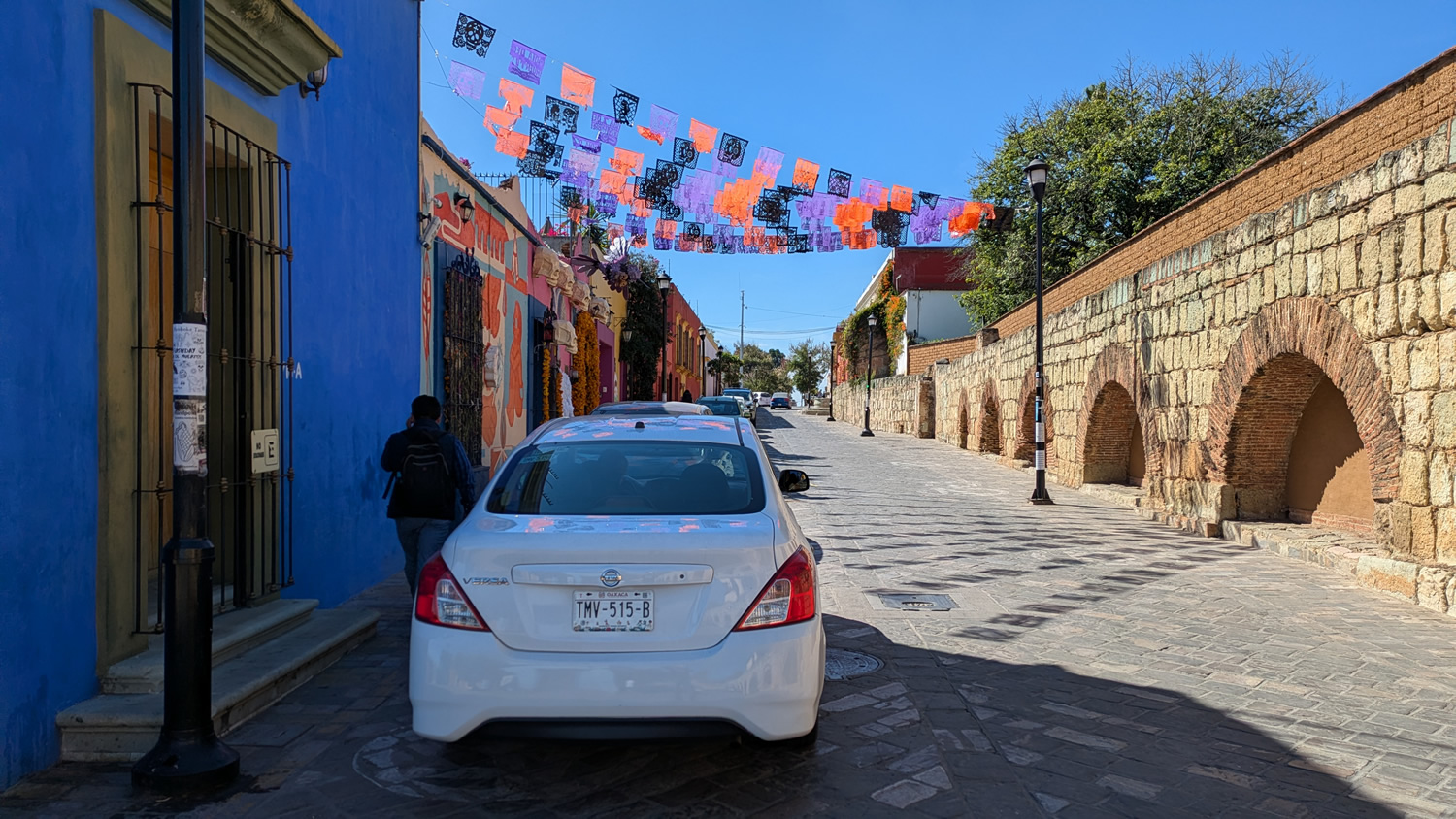
These two historic barrios sit just outside the core of the historic center, yet feel worlds apart from the crowds near the Zócalo. During Semana Santa, Jalatlaco and Xochimilco are especially atmospheric. Candlelight processions pass through narrow streets, neighbors place altars outside their homes, and daily life continues at a slower rhythm.
Walking here in the early evening offers a quieter, more intimate view of Holy Week. This is where you see how Semana Santa is lived rather than observed. The colorful murals in Jalatlaco give it a village feel with little squares, cafes, and bars near the church. It is easier to stay in Jalatlaco to avoid crossing busy highways to reach Xochimilco. We recommend visiting during Palm Sunday for palm crafts and joining a private tour for deeper insights into the neighborhoods’ history. Explore on foot to catch spontaneous processions and try local street food like tlayudas from nearby vendors for an authentic experience.
2. Yagul archaeological site
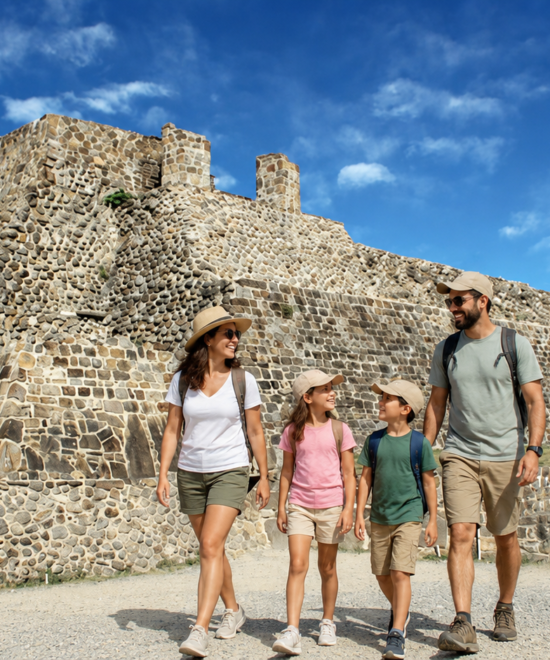
Yagul sits on a rocky hill at the eastern edge of the Oaxaca Valley and receives only a fraction of the visitors that Monte Albán does. Yet its scale, fortifications, and ceremonial spaces are remarkable. The site feels raw and exposed, with long stone corridors, tombs, and defensive walls.
During Semana Santa, Yagul’s quiet and isolation add to its impact. You may find yourself alone among structures that once controlled the valley, with wind and birds as the only sound. It offers wonderful views and a serene atmosphere, often with maze-like ruins and a high vantage point overlooking the valley. The discovery of this site can feel like a happy accident, with its untouched feel. We recommend hiring a guide for context on its Zapotec history, visiting on a Sunday combined with the Tlacolula market, and bringing water and sun protection as it is exposed. Go early to avoid heat, and note its UNESCO ties to prehistoric caves nearby.
3. Cuilápam de Guerrero monastery
The unfinished Dominican monastery at Cuilápam is one of the most haunting colonial sites in Oaxaca. Massive stone arches rise above open fields, and the silence inside the ruins feels deliberate rather than accidental.
Semana Santa adds emotional weight to this place. Local visitors come quietly, and the absence of decoration or crowds makes reflection unavoidable. It is not a spectacle. It is a pause. It is hauntingly beautiful and a photographer’s dream with calm vibes ideal for reflection. The green stones and leftover frescos add to its majestic roofless structure. We suggest combining it with nearby sites like Monte Albán for a full day, and visiting in the late afternoon for golden light photography. Pack a picnic to enjoy the open fields surrounding the ruins.
4. A traditional temazcal experience
A temazcal is a pre-Hispanic steam ritual focused on cleansing and renewal. It is not a spa treatment and should not be approached casually. Semana Santa is one of the most meaningful times to experience it, as many facilitators frame the ritual around introspection and release.
For many travelers, this becomes the emotional center of their trip. Choose a respectful, small group setting and go in prepared to listen rather than perform. Experiences at places like Temazcal Oaxaca include the use of herbs, chants, and massages afterward. It provides tender care, ideal for renewal. We recommend booking in advance, especially during Semana Santa, and preparing mentally. It is hot and steamy, lasting about an hour.
5. Tlacolula Sunday market
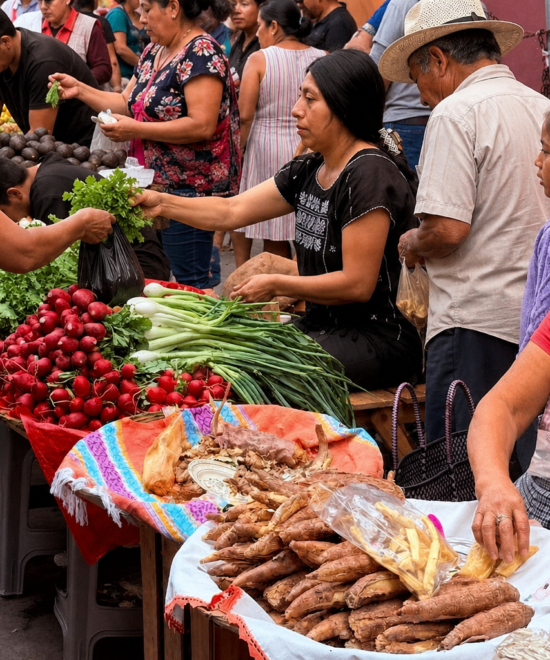
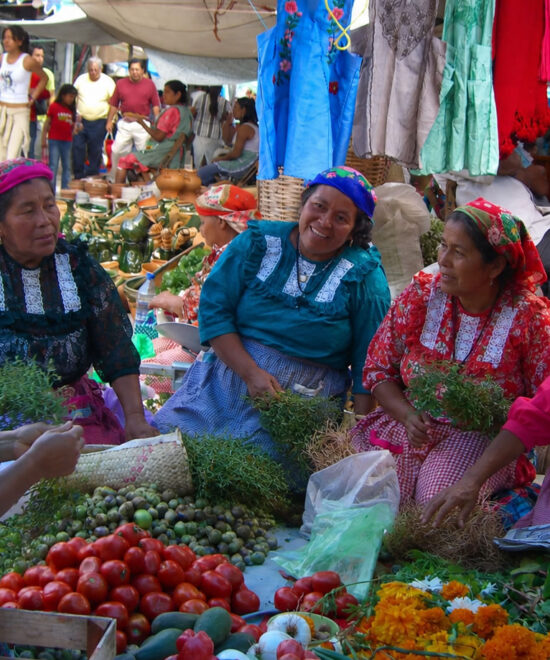
Tlacolula’s market is one of the most traditional in Oaxaca, serving surrounding villages rather than tourists. During Semana Santa, it becomes especially active as families prepare food for the week ahead.
This is where you see the practical side of tradition. Ingredients, not souvenirs. People buying what they need, not what looks good in photos. It feels magical and amazing, highlighting the vast array of fruits, vegetables, and barbacoa. The barbacoa is the best meal in Oaxaca, inexpensive and authentic. Tips include arriving by 11 AM to beat crowds, trying tejate or pulque, and visiting on Palm Sunday for palm crafts. We recommend it for cultural immersion, and suggest pairing with Yagul ruins, and warn that vendors start closing down their stands around 6 PM.
6. The Ethnobotanical Garden of Oaxaca
Hidden behind Santo Domingo, the Ethnobotanical Garden explains Oaxaca through plants. Corn, agave, cacao, and medicinal species are presented not as decoration, but as living history.
During Semana Santa, when themes of life, death, and renewal are everywhere, the garden offers quiet clarity and context. The two-hour guided tours provide knowledgeable commentary on regional plants and their cultural uses. It is excellent for understanding Oaxaca’s biodiversity. Tips include arriving early for the 11 AM English tour with no reservations, and expecting to wait in line as it is popular. We suggest combining with Santo Domingo visits for a peaceful break from processions, noting the variety of cacti and medicinal herbs that tie into local traditions.
Honorable Mentions that cannot be missed
While the above spots provide off-the-beaten-path insights, no first visit to Oaxaca during Semana Santa is complete without these three timeless classics. They anchor the experience and connect the dots between history, culture, and the week’s reflective spirit.
7. Monte Albán
Monte Albán remains essential. Not because it is famous, but because it explains Oaxaca’s deep past better than any other place. Visiting during Holy Week adds symbolic weight to its ceremonial spaces. It is amazing with breathtaking views, worth visiting multiple times. It can take your breath away. Tips include going with a guide for history, arriving early to avoid crowds, and using DiDi for transport. We suggest spending a morning there, noting its panoramic vistas of the valley, and combining with nearby sites for efficiency.
8. Mitla
Mitla’s geometric stonework and funerary associations make it especially resonant during Semana Santa. It is quieter, more intimate, and focused on transition rather than dominance. Its intricate mosaics and well-preserved structures make it a must-see. It is often more interesting than anticipated. Tips include pairing with Teotitlan for textiles, and booking a half-day tour. We recommend visiting on Sundays with Tlacolula market, and highlight its spiritual vibe aligning with Holy Week themes.
9. Hierve el Agua
Hierve el Agua is not subtle, but it is unforgettable. The petrified waterfalls and cliffside pools offer a reminder of time on a geological scale. It balances the human rituals of the week with something far older. It is stunning with great hikes and swims, recommending early arrival to beat crowds. It is a natural wonder. Tips include bringing swimwear, hiking down for views, and going mid-week. We suggest guided hikes for safety, noting it is crowded on Sundays but worth it for the infinity pools.
Invitation
Whether you’re wandering the quiet streets of Jalatlaco or standing atop Monte Albán, Oaxaca during Semana Santa has a way of touching your soul. I hope this guide helps you discover the magic in both the hidden corners and the timeless classics. Safe travels, dear reader. May your journey be filled with wonder, reflection, and a few delicious tlayudas along the way! If you have stories from your visit, we’d love to hear them at the Monte Albán Heritage Center at contact@montealbanoaxaca.com.