

The deep roots of Oaxacan fermentation
Walking through any traditional market in Oaxaca, the air often carries a faint, sweet, and tangy aroma that leads to large clay jars or wooden barrels. This distinctive scent belongs to tepache, a pre-Hispanic fermented beverage that remains a cornerstone of daily life in the region. While many visitors arrive in the valley seeking mezcal, it is tepache that has served as the humble, refreshing companion to the Oaxacan people for centuries. Its history is a testament to the ingenuity of Mesoamerican cultures in utilizing fermentation for both preservation and health.
The word tepache originates from the Nahuatl word tepiatl, which initially referred to a drink made primarily from corn. Over time, particularly after the introduction of sugar cane and various fruits during the colonial era, the recipe evolved. In modern Oaxaca, the version made from pineapple rinds and piloncillo (unrefined cane sugar) has become the most recognized variety. Despite these changes, the fundamental process of wild fermentation remains unchanged, preserving a link to the ancestral culinary traditions of the Zapotec and Mixtec people who inhabited the lands surrounding Monte Albán.
Unlike many modern beverages that rely on industrial processing, tepache is a living drink. The fermentation occurs naturally through the wild yeasts present on the surface of the fruit. This makes every batch unique, reflecting the local environment and the specific season in which it was prepared. For the international traveler, tasting a glass of cold tepache is not merely a way to quench thirst but a direct encounter with the biological and cultural heritage of the Oaxacan highlands.
A simple yet patient preparation
The beauty of tepache lies in its simplicity and the patience required to let nature do its work. The process begins with the rinds of ripe pineapples, which are placed in water inside large containers, traditionally made of wood or clay. Piloncillo is added to provide the necessary sugars for the fermentation to begin. To add complexity and warmth to the flavor profile, local producers often include spices such as canela (cinnamon) and whole cloves. These ingredients are left to sit at room temperature for several days, depending on the local climate.
During the first twenty-four to forty-eight hours, the mixture begins to bubble and foam, a sign that the yeast is active. If the fermentation is stopped early, the result is a light, sweet, and low-alcohol drink that is perfect for the midday heat. However, if the mixture is allowed to ferment longer, it becomes increasingly tart and complex. Some families in the Oaxacan valleys have their own specific ratios and secret additions, such as apple or pear slices, which they have passed down through generations.
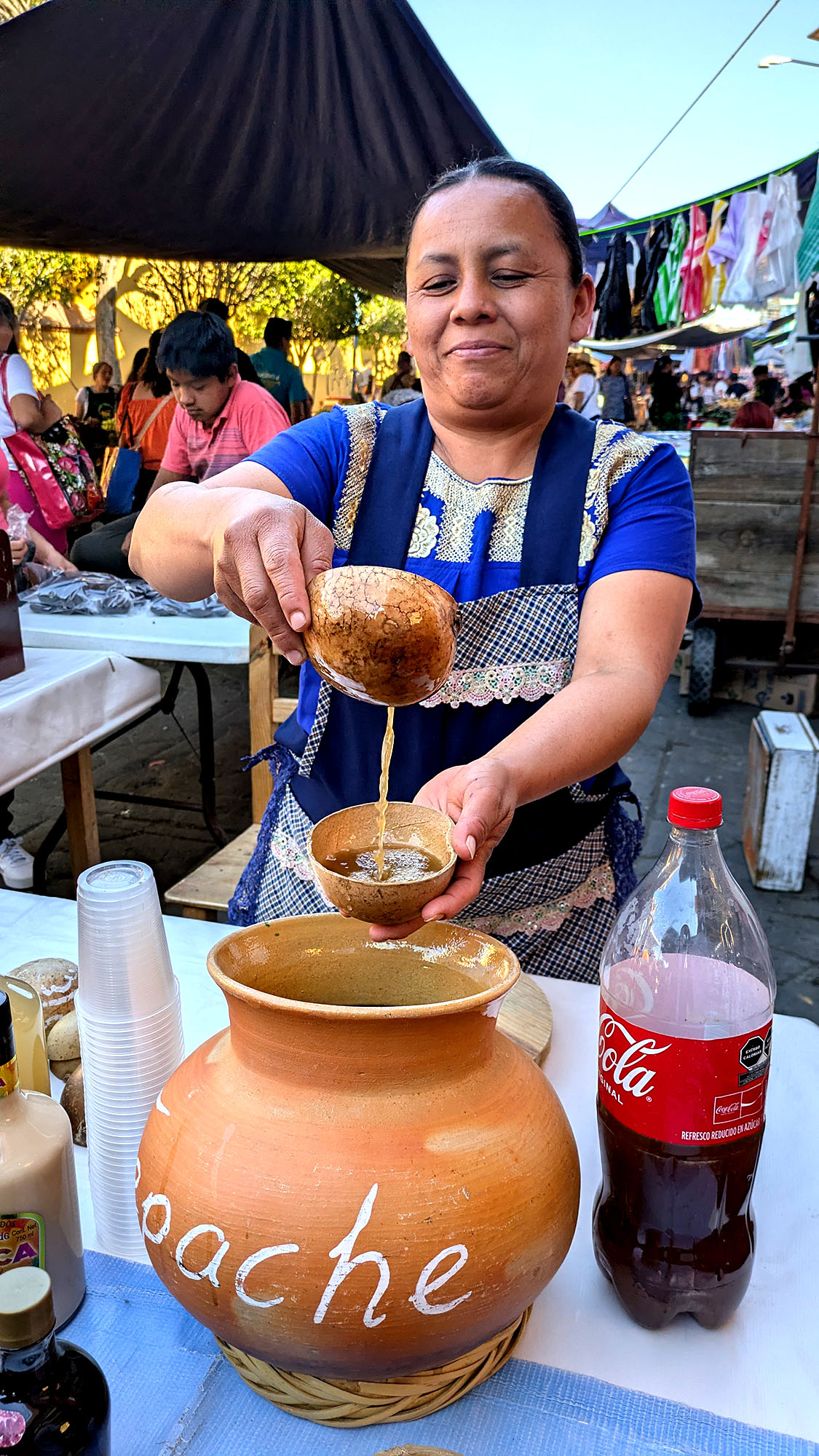
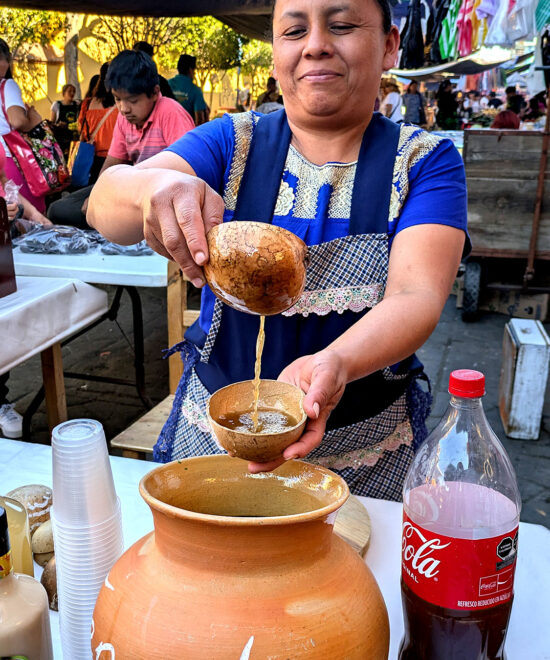
Once the desired level of fermentation is reached, the liquid is strained and served. In many local stalls, it is customary to serve tepache with a small amount of salt or even a touch of chili powder to balance the sweetness. The result is a sparkling, effervescent drink that carries the essence of the fruit while offering a sophisticated profile that rivals many artisanal ciders or craft beers found in other parts of the world.
Health benefits and probiotic properties
Beyond its refreshing taste, tepache has long been regarded as a health-promoting tonic in traditional Mexican households. As a product of natural fermentation, it is rich in probiotics, the beneficial bacteria that support gut health and strengthen the immune system. In the traditional medicine of the region, it is often recommended as a digestive aid after heavy meals. The enzymes naturally found in pineapple, such as bromelain, also survive the fermentation process and assist in the digestion of proteins.
For travelers exploring the diverse and often spicy cuisine of Oaxaca, tepache serves as an excellent natural remedy to keep the digestive system in balance. Its cooling properties are particularly beneficial for those who may find the local climate or the heat of traditional chilies to be intense. By choosing traditional ferments like tepache, visitors are supporting a form of wellness that is grounded in the local landscape and centuries of observational wisdom.
Furthermore, the use of piloncillo rather than refined sugars provides a more complex mineral profile, making the drink a better alternative to industrial sodas. As global interest in fermented foods continues to grow, tepache is gaining recognition as a cultural treasure that offers significant nutritional value. It is a prime example of how traditional Oaxacan knowledge aligns with modern interests in holistic health and natural living.
Finding the best tepache in Oaxaca
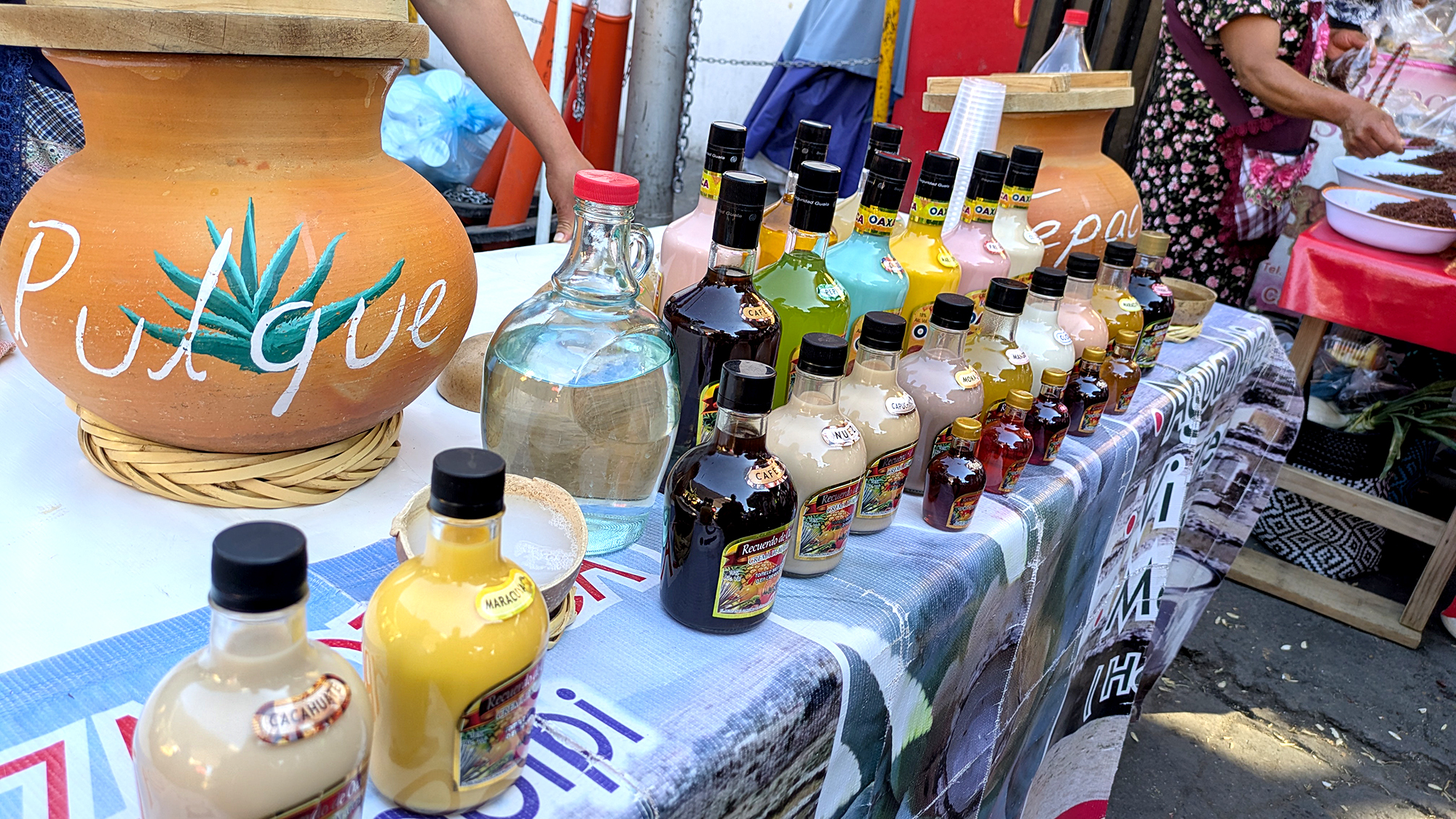
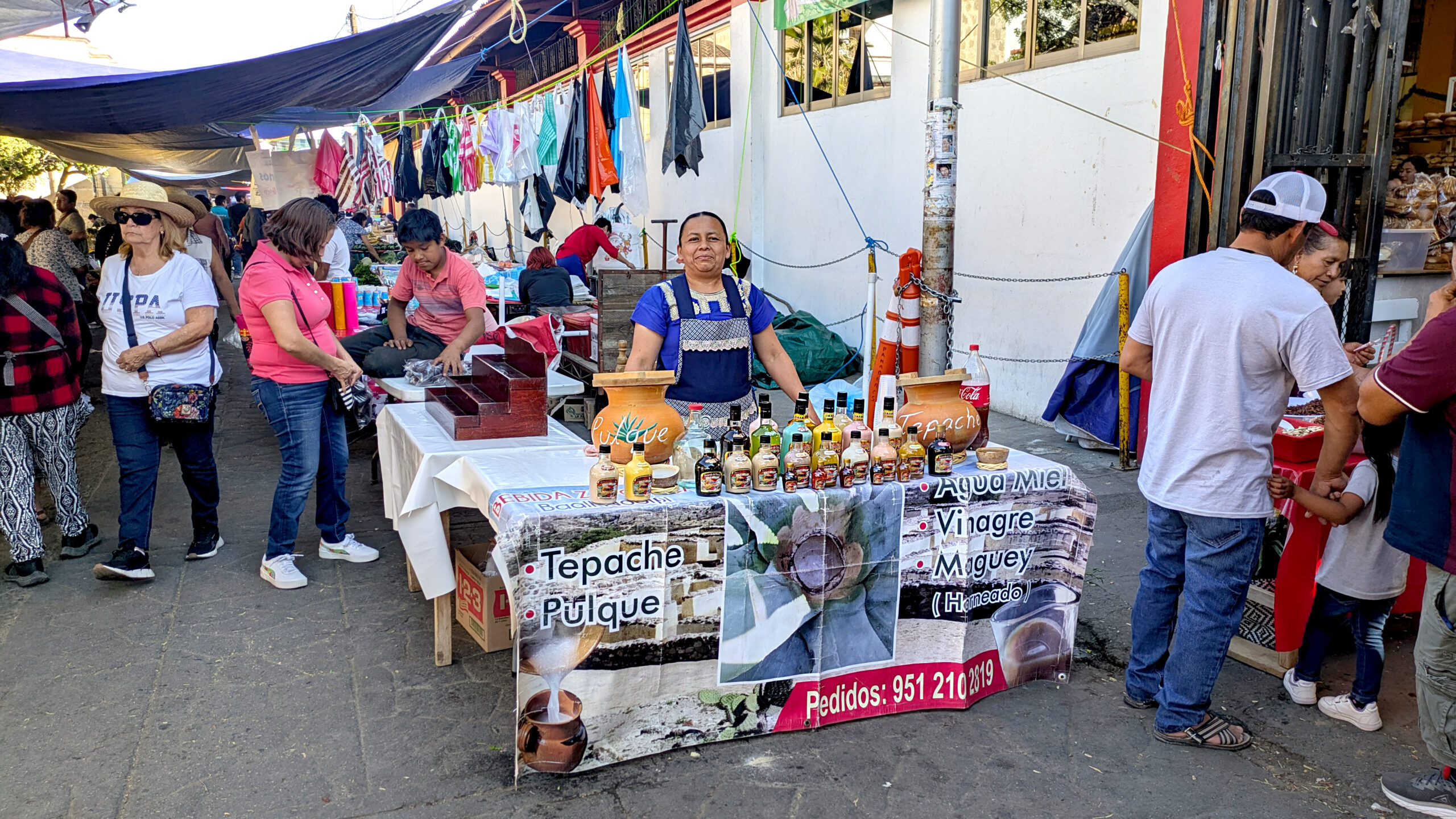
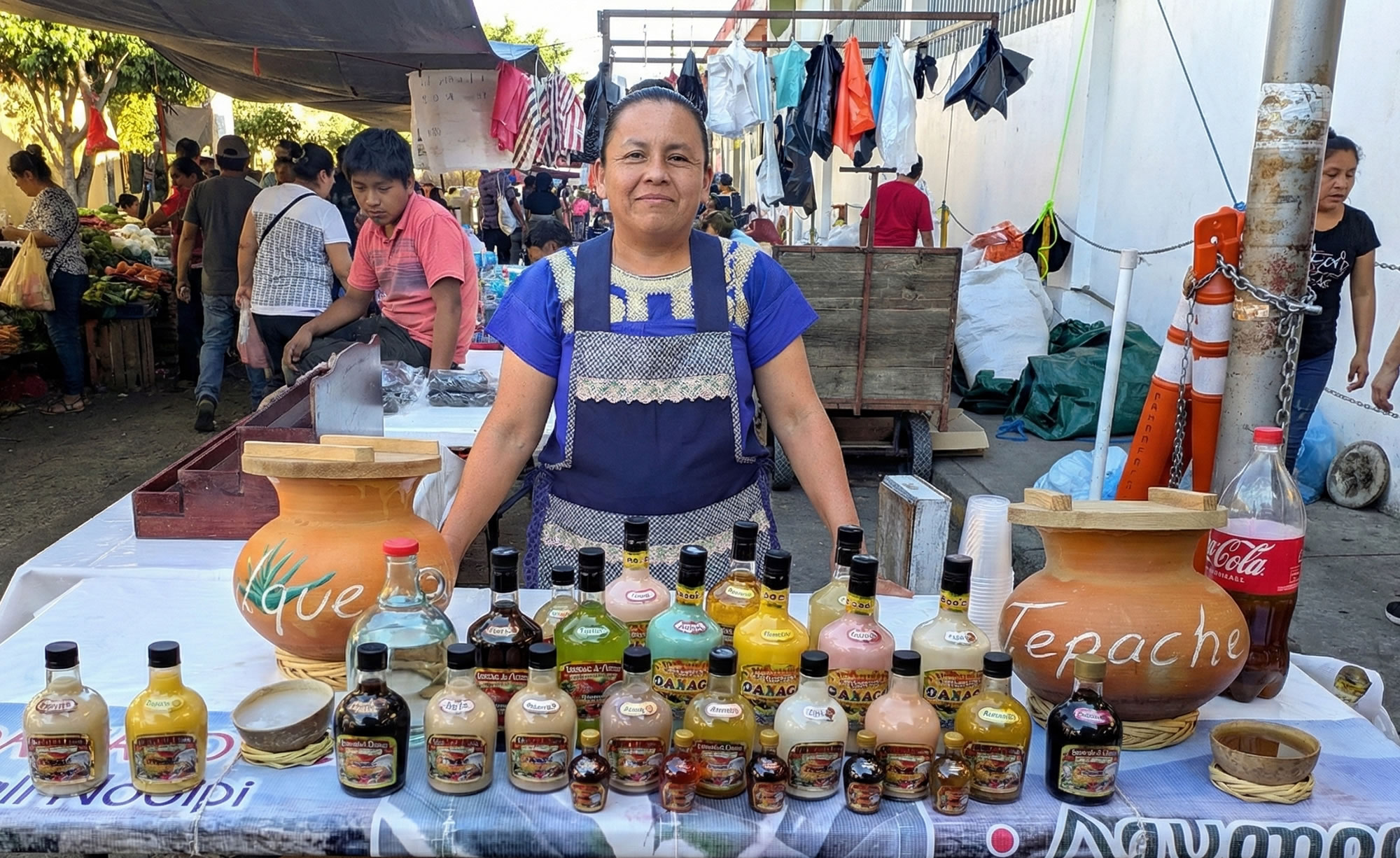
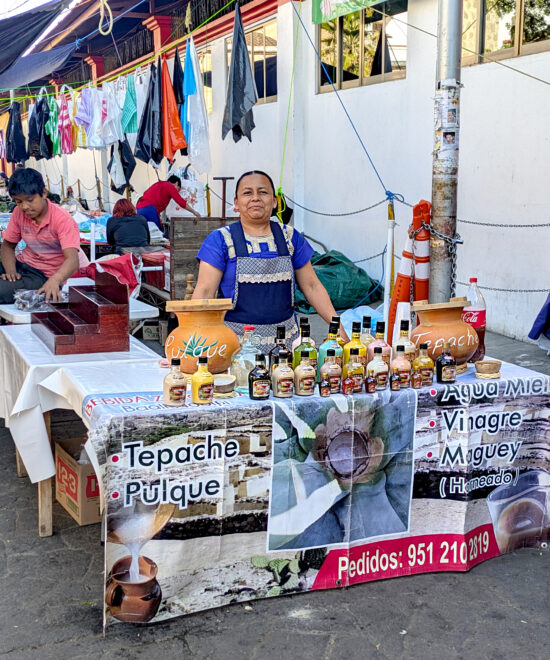
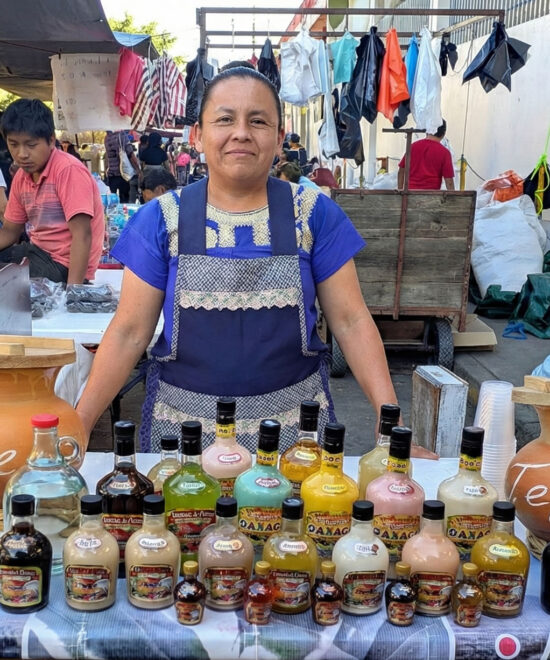
Finding authentic tepache in Oaxaca is an adventure in itself. One of the best places to start is the Mercado de Abastos, where vendors have sold this traditional beverage for decades. Look for the large jars or wooden tepacheras that are often covered with a clean cloth. Often, you will find it served alongside other traditional drinks like tejate or horchata. In the villages surrounding Monte Albán, such as Santa María Atzompa, it is common to see tepache served at local festivals and family gatherings. You can also go to the weekly markets in Tlacolula, Ocotlan and Zaachila to try some there. Where there is tradition there is tepache.
When purchasing tepache from a street vendor, it is usually served in a plastic bag with a straw or in a simple glass. For a more structured experience, several contemporary restaurants in the city center have begun to feature artisanal tepache on their menus, sometimes even incorporating it into modern cocktails. Regardless of where you choose to try it, the key is to ensure it is served fresh and has the characteristic light fizz that indicates active fermentation.
The cost of a glass is usually a modest entry fee into the world of Oaxacan flavors, making it accessible to everyone. Most vendors follow standard visiting hours for markets, typically from early morning until late afternoon. Taking the time to pause for a tepache is more than just a break in your itinerary; it is a moment to appreciate the slow, steady rhythm of Oaxacan tradition that continues to thrive in the modern world.