


Is Oaxaca Safe?
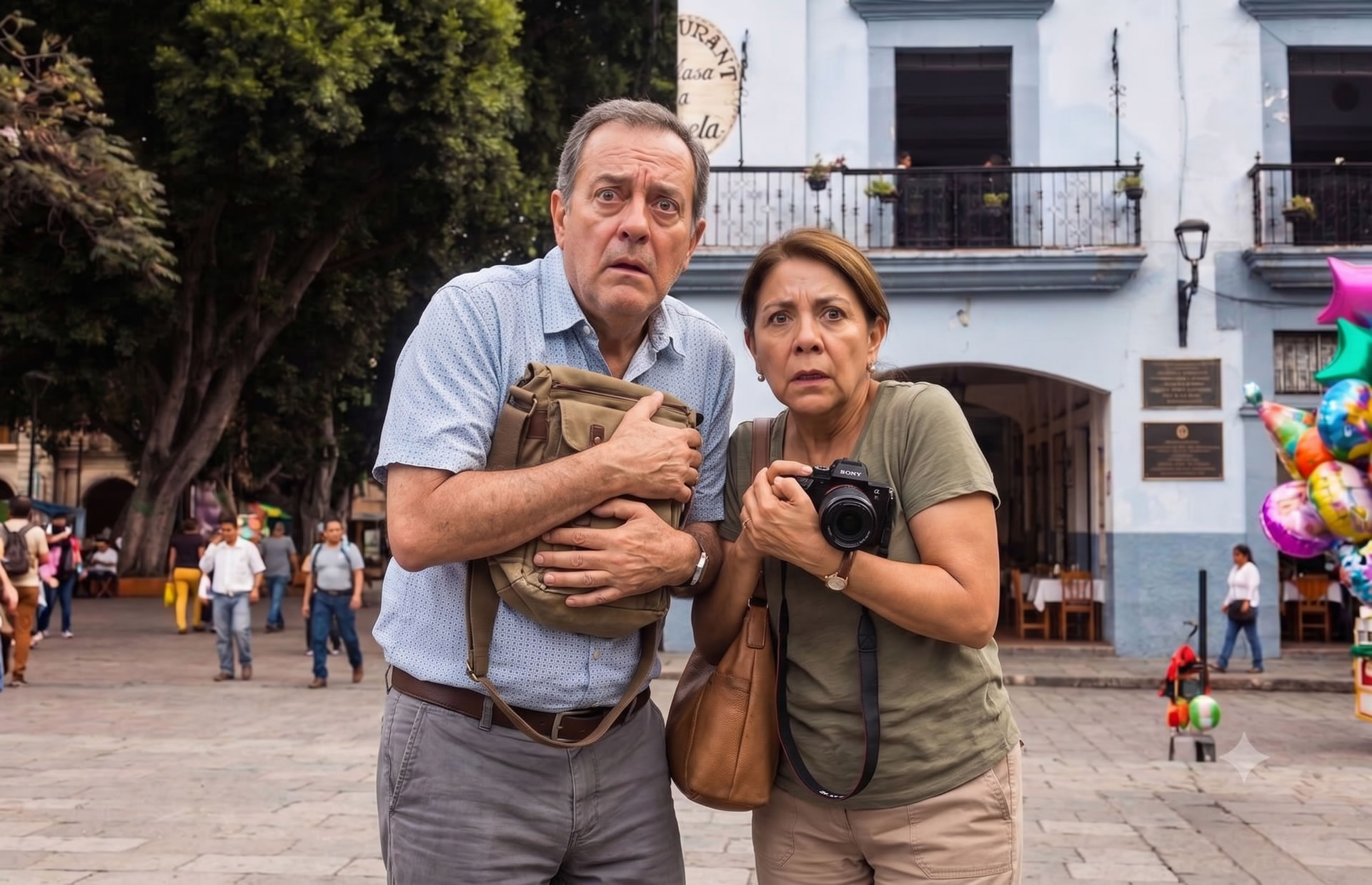
So, is Oaxaca safe?
For most visitors, Oaxaca is a comfortable and enjoyable city to explore with the same sensible habits you would use in any busy destination. Travelers spend their days walking between markets, museums, restaurants, churches and colorful neighborhoods, while evenings often revolve around the Zócalo, Santo Domingo, Jalatlaco and the city's lively dining scene. A little awareness goes a long way, particularly when deciding where to walk late at night or how to move through crowded markets.
View the latest Oaxaca Tourist Safety Map and Index here.
The key is not to think of Oaxaca as simply safe or unsafe. Different neighborhoods have different rhythms, and conditions change between a busy afternoon and a quiet street after midnight. The Oaxaca Tourist Safety Map and Index makes those differences easier to understand, giving visitors a practical way to plan their days without becoming overly cautious.
A city that rewards walking and exploring
One of Oaxaca's great pleasures is how much of the city can be experienced on foot. Centro Histórico places markets, galleries, churches, cafés and restaurants within a relatively compact area, while nearby neighborhoods such as Jalatlaco and Xochimilco invite slower walks through residential streets and historic lanes. During the day, these areas are full of ordinary city life, from schoolchildren and families to vendors, commuters and travelers.
The current Safety Map reflects that generally positive experience. San Felipe del Agua receives a score of 86 out of 100, Reforma 84, Jalatlaco 82 and Xochimilco 80. These are all areas where visitors commonly spend time, and their ratings suggest that normal awareness is usually enough. As anywhere, the best approach is simply to remain attentive to your surroundings and choose well-lit, active streets after dark.
Where evenings feel especially easy
Reforma is one of the easiest neighborhoods for an evening out, particularly around its better-known restaurant streets, cafés and commercial avenues. Jalatlaco is another favorite, with its colorful façades, small restaurants and intimate streets creating a pleasant atmosphere for an early evening walk. Xochimilco also remains appealing around its central streets and neighborhood landmarks.
The simple trick is to let the character of the street guide you. If restaurants are open, families are out and foot traffic remains steady, walking generally feels natural. If the route begins to become unusually dark or empty, especially farther from the center, taking a taxi is often the easier choice. This is less about danger and more about avoiding an unnecessary walk through quiet residential streets when convenient transport is available.
Centro Histórico is lively, busy and easy to enjoy
Centro Histórico receives a score of 68 on the current index, largely because busy pedestrian areas naturally create opportunities for petty theft. That should not discourage anyone from exploring the center. This is where many visitors spend most of their time, including the Zócalo, Santo Domingo, the pedestrian corridor along Alcalá and the city's best-known central markets.
The precautions are straightforward. In crowded areas, keep your phone secure when you are not using it, close your bag properly and avoid carrying a wallet in an easy-to-reach back pocket. Mercado Benito Juárez and Mercado 20 de Noviembre are wonderful places to explore, and a little extra awareness in the busiest aisles is usually all that is required. These are normal big-city habits rather than reasons to feel uneasy.
A few places where planning helps
The Safety Map is especially useful because it highlights areas where visitors may want to adjust how they explore. Central de Abastos receives the lowest score in the current index at 10 out of 100, with crowd-related pickpocketing and distraction theft being the main concerns for visitors. It remains one of Oaxaca's most important commercial spaces, but travelers who want to experience it are better off going during the day, carrying minimal valuables and staying attentive in densely packed areas.
Santa Cruz Xoxocotlán receives a rating of 24, and here the most useful advice is simply to use a taxi when traveling in and out, particularly at night or when visiting during especially busy events. Trinidad de las Huertas and Santa Lucía del Camino both score 60, while Ex-Marquesado scores 64. None of these ratings mean that visitors need to avoid entire neighborhoods. They simply suggest that direct transportation and a little planning can make the experience easier.
Nighttime in Oaxaca: use common sense, not fear
Oaxaca's evenings are one of the city's pleasures. Restaurants fill, plazas stay active and the streets around the historic center often have plenty of pedestrian movement. There is no reason to retreat to your hotel as soon as the sun goes down. Instead, enjoy the city while paying attention to the difference between lively public areas and quiet residential streets.
If a walk suddenly feels much quieter than expected, move back toward a busier street or take established transportation. This is particularly useful in neighborhoods such as San Felipe del Agua, Xochimilco and other more residential areas where distances can be greater than they appear on a map. Oaxaca's state mobility authority introduced TaxSí in 2026 as a platform for requesting authorized yellow taxis, giving travelers another regulated transportation option in Oaxaca de Juárez.
Monte Albán and popular day trips rate well
The wider Oaxaca valleys also compare favorably in the current index. Monte Albán receives the highest rating at 88 out of 100, while Teotitlán del Valle scores 84, Santa María del Tule 82, San Pablo Villa de Mitla 78 and Hierve el Agua 76. These are some of the region's most popular day-trip destinations and can be visited comfortably with ordinary travel planning.
For Monte Albán, established taxis, shuttles and organized tours make the journey straightforward. For destinations farther into the valleys, planning the return trip before leaving Oaxaca City is useful, especially when visiting remote locations later in the day. In many cases, transport logistics and daylight are more important considerations than personal security.
Simple tips for a relaxed visit
You do not need an elaborate safety strategy to enjoy Oaxaca. Carry the cash and cards you expect to use that day, keep bags closed in crowded markets and avoid leaving a phone or camera unattended at a café or restaurant. Before heading somewhere unfamiliar at night, look at the route and decide whether walking or taking a taxi makes more sense.
It also helps to remember that festivals, demonstrations and major public events can temporarily change traffic patterns and crowd levels. A street that is quiet one afternoon may be full of music, vendors and a calenda (traditional Oaxacan street parade) the next evening. Flexibility is part of traveling in Oaxaca, and the Safety Map is best used as one more local tool to help you make good decisions as conditions change.
Enjoy Oaxaca with confidence
Oaxaca is a city meant to be experienced, not observed nervously from a distance. Its markets, neighborhoods, archaeological sites, restaurants and public spaces reward curiosity, and most visitors can enjoy them with normal urban awareness. The Oaxaca Safety Map and Index adds useful local context by showing where visitors can relax and where a little extra attention is worthwhile.
Use common sense, choose sensible transportation when streets become quiet and keep ordinary control of your belongings in crowded places. Then focus on what brought you here in the first place: the food, history, architecture, communities and extraordinary landscapes that make Oaxaca one of Mexico's most rewarding places to explore.


