

Cempasúchil: The Legend and Significance of the Mexican Marigold for the Day of the Dead
The Flower That Guides the Dead
No single object is more closely tied to Día de Muertos than the cempasúchil, the bright Mexican marigold. Its intense orange and yellow blooms appear by the thousands in markets, on graves, and across ofrendas every late October and early November. More than decoration, the flower carries centuries of meaning. It is both a practical guide for the souls and a living link to pre-Hispanic beliefs about the sun, love, and the thin boundary between the living and the dead.
Name, Origins, and Pre-Hispanic Roots
The word cempasúchil comes from Nahuatl: cempohualxóchitl or cempoalxóchitl, usually translated as “twenty flowers” or “flower of twenty petals.” The name reflects the flower’s full, layered bloom. Scientifically known as Tagetes erecta, the plant is native to Mexico and has been cultivated here for centuries.
Long before the Spanish arrival, Mesoamerican peoples used the marigold in funerary rites and offerings. Its golden color was associated with the sun. People believed the petals held the sun’s heat and light, which could illuminate the path for souls traveling between worlds. The flower appeared in rituals connected to the solar cycle and to the honoring of the dead. Its strong, distinctive scent was thought to attract and orient the returning spirits.
The Legend of Xóchitl and Huitzilin
One of the most enduring stories attached to the flower tells of two young lovers, Xóchitl and Huitzilin. They grew up together, and their friendship became deep love. Each day they climbed a sacred mountain to offer flowers to Tonatiuh, the sun god, asking for his blessing on their union. Tonatiuh granted it.
War came, and Huitzilin was called to fight. He died in battle. Overwhelmed by grief, Xóchitl returned to the mountain and begged the sun god to reunite her with her beloved. Moved by her devotion, Tonatiuh transformed her into a flower—a closed bud at first. Days later a hummingbird (the form Huitzilin had taken) landed on the bud. At that touch the flower opened, releasing its brilliant color and powerful fragrance. The two were together again.
The legend says that as long as cempasúchil blooms and hummingbirds fly, their love continues. The story gives the flower its double meaning: eternal connection beyond death, and a living signal that draws the spirits home.
Why the Color and Scent Matter
The intense yellow and orange of the cempasúchil are not accidental. They echo the sun’s light and warmth. In traditional belief these colors help the souls see the path. The strong aroma does the same work through scent. Together, color and fragrance create a sensory bridge.
This is why families scatter petals from the street or doorway all the way to the ofrenda, forming a visible and fragrant trail. The path tells the returning soul: this is the way to the place prepared for you. The flower therefore represents guidance, invitation, and the enduring bond between those who remain and those who have gone ahead.
What the Cempasúchil Represents
In the language of the ofrenda the marigold stands for several intertwined ideas:
- The light that guides the dead back to their families
- The warmth of the sun and the continuity of life
- The connection between the world of the living and the world of the ancestors
- Love and memory that outlast physical death
It is both practical and symbolic. Without the cempasúchil, many families feel the ofrenda is incomplete.
Cempasúchil and the Spirit of Día de Muertos in Oaxaca
In Oaxaca the flower takes its place inside a larger, living practice of respect and veneration. Día de Muertos here is not primarily about mourning. It is about welcome. Families believe that for a short time the souls of the dead return to visit the places and people they loved. The living respond by preparing carefully.
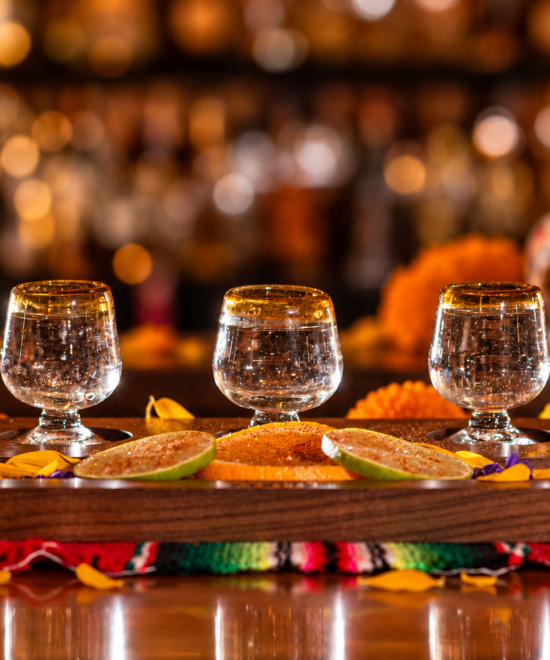
The ofrenda becomes a temporary home. Photographs identify the guest. Water is set out so the soul can drink after the long journey. Salt purifies. Candles light the space. Copal incense cleanses the air. And the favorite foods and drinks of the deceased—mole, chocolate, fruits, pan de muerto, mezcal—are placed so the soul can enjoy their aroma and essence. The living later share what remains.
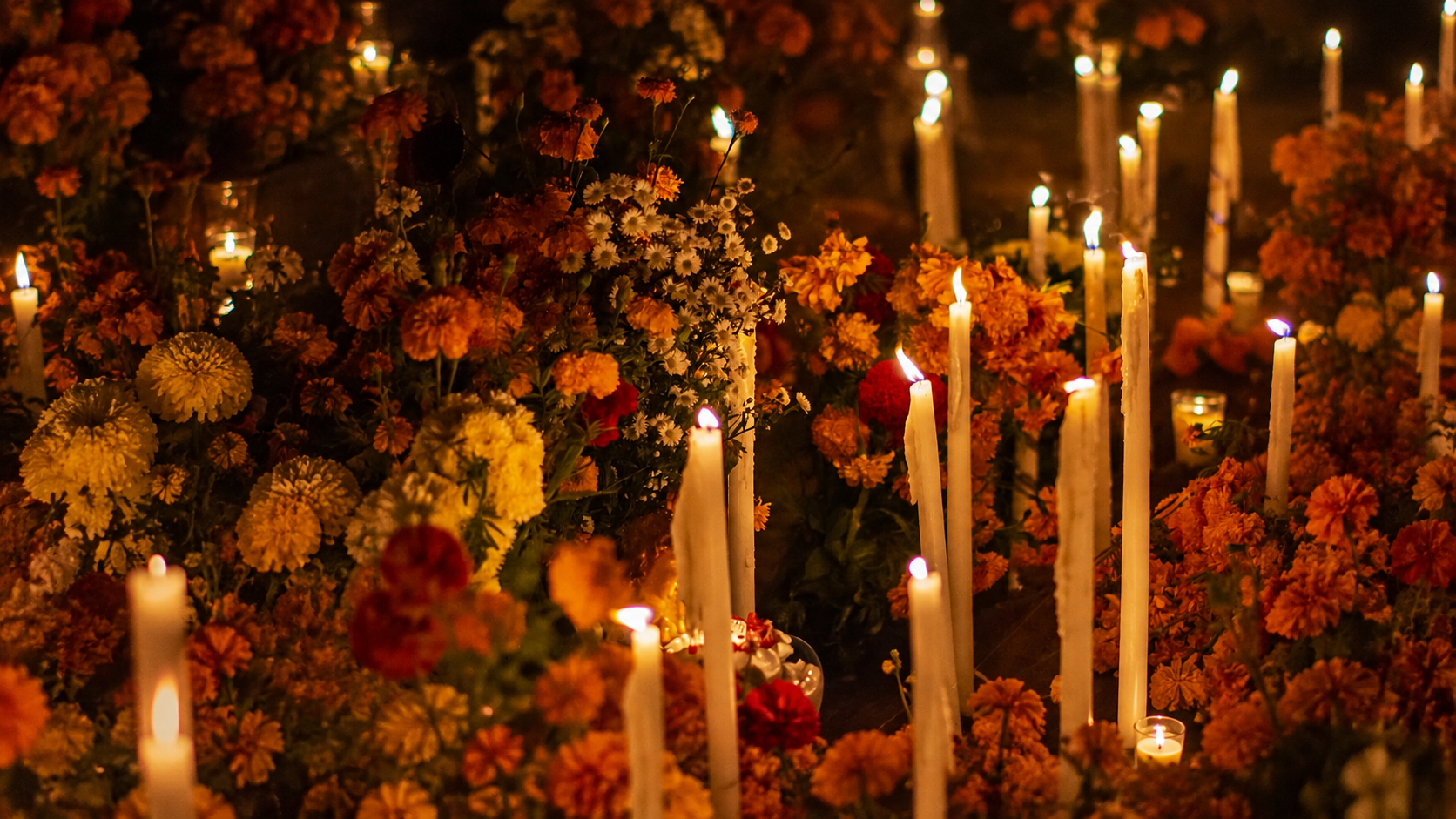
Cempasúchil frames and guides all of this. Its petals mark the path to the altar. Its color and scent help the returning family members find their way. In the cemeteries the same flowers cover the graves, turning the night into a field of orange light under the candles.
The underlying attitude is one of deep respect mixed with affection. The dead are not feared. They are expected, remembered, and honored with the same care one would show a living relative who has traveled far to come home. The marigold is the first and most visible sign of that welcome.
A Living Thread
From its Nahuatl name and solar associations to the legend of the two lovers and its practical role on every ofrenda, the cempasúchil carries a continuous thread of meaning. It tells us that the bond between the living and the dead is not broken by absence. It can be marked with light, scent, and color. In Oaxaca, as across Mexico, the flower remains the simplest and most powerful way of saying: the path is open, the table is set, and you are still part of this house.