

7 Best Hotels in Oaxaca's Historic Center for Architecture Lovers
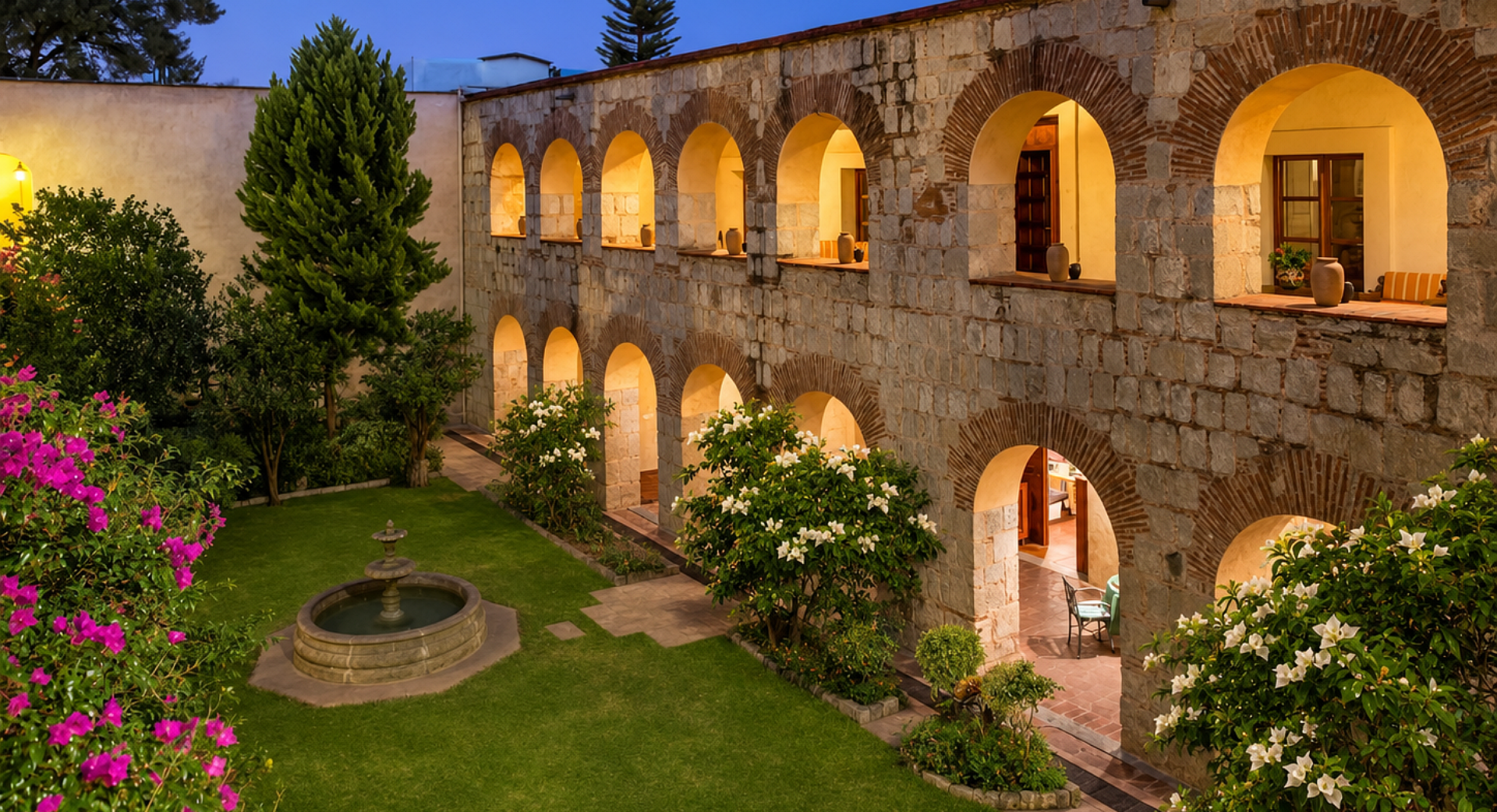
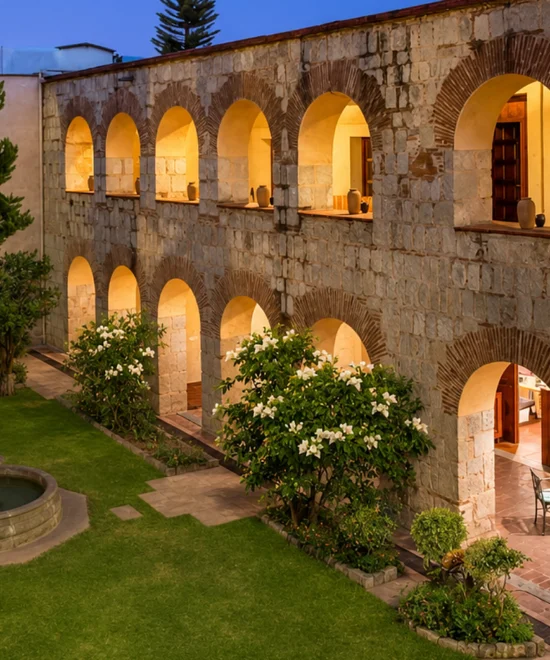
If you love old buildings, enormous wooden doors, stone archways, leafy courtyards and the unmistakable character of colonial architecture, you are going to love staying in Oaxaca City. Some of the city's finest hotels occupy buildings that have witnessed centuries of Oaxacan history, including former religious institutions and elegant private residences that have been carefully adapted to welcome travelers from around the world.
My first recommendation would undoubtedly be Quinta Real Oaxaca, the magnificent former Convent of Santa Catalina de Siena. However, there are several smaller hotels throughout the Historic Center that deserve just as much attention, particularly if you enjoy the intimacy and warmth of an old Oaxacan home.
I've selected the following seven hotels for their architectural character, historical backgrounds, excellent locations and positive guest experiences. Each offers something a little different, and all are within walking distance of many of Oaxaca's most beautiful churches, museums, galleries, restaurants and cultural attractions.
Why Oaxaca is such a wonderful city for architecture lovers
Oaxaca's Historic Center, together with the archaeological site of Monte Albán, was designated a UNESCO World Heritage Site in 1987. The city possesses an extraordinary collection of religious and civil architecture reflecting more than four centuries of artistic and architectural development.
One of its most recognizable features is the use of green cantera, a locally characteristic building stone that gives many of Oaxaca's historic structures their distinctive appearance. The city's traditional low-rise buildings, thick masonry walls and spacious interior courtyards also contribute enormously to its architectural identity.
Many of these buildings reveal very little of their beauty from the street. Step through an old doorway, however, and you may discover a magnificent courtyard surrounded by columns, covered corridors, flowering plants and beautifully preserved architectural details. Staying in one of these properties gives you the opportunity to appreciate these spaces at your leisure.
The seven best historic hotels at a glance
| Hotel | Architectural character | Best for |
|---|---|---|
| Quinta Real Oaxaca | 16th-century convent | Historical significance and luxury |
| Casa Antonieta | Historic colonial residence | Elegant restoration |
| Parador de Alcalá | 18th-century mansion | Central location and traditional architecture |
| La Casona de Tita | 19th-century residence | Intimate Oaxacan hospitality |
| Casa de Sierra Azul | 19th-century mansion | Traditional courtyard atmosphere |
| Hotel Sin Nombre | 17th-century colonial house | Architectural restoration and artistic design |
| Pug Seal Oaxaca | 19th-century mansion | Architecture and Mexican art |
1. Quinta Real Oaxaca
Stay in a magnificent 16th-century convent
Of all the historic hotels in Oaxaca, Quinta Real stands in a category of its own. The hotel occupies the former Convent of Santa Catalina de Siena, a religious institution founded in 1568. Over the centuries, the complex served several purposes before being converted into a hotel in 1976.
The building's religious origins remain beautifully apparent in its architecture. Its substantial stone walls, magnificent arches, covered passageways, gardens and expansive courtyards give visitors an opportunity to experience the remarkable scale of colonial religious architecture.
Give yourself some time to wander through the hotel's grounds. The architectural experience is one of the principal reasons to stay here, and the outdoor swimming pool makes it particularly inviting after a long afternoon exploring Oaxaca.
Its location on Cinco de Mayo is also exceptional. Santo Domingo de Guzmán, the Museum of Oaxacan Cultures and the city's Ethnobotanical Garden are all nearby.
The guest rooms vary considerably because of the building's historic layout. I recommend looking carefully at the different room categories and requesting a room with good natural light if that is important to you.
- Address: 5 de Mayo 300, Centro Histórico.
- Architectural highlight: Historic convent cloisters, courtyards and monumental stone architecture.
- Ideal for: History enthusiasts, couples and travelers celebrating a special occasion.
- Price category: Luxury.
2. Casa Antonieta
Beautiful cantera stone and understated elegance
Casa Antonieta is one of the most appealing examples of sensitive architectural restoration in downtown Oaxaca. According to the hotel's own architectural guide, the building dates to the 17th century and features traditional colonial construction using green cantera stone.
Its central courtyard is particularly attractive, with stone arches creating a beautiful sense of height and openness. Natural textures, carefully selected textiles and contemporary furnishings complement the older architectural elements without overwhelming them.
The hotel's Muss Café is a lovely place to begin your morning, and its rooftop terrace offers another pleasant space to unwind. Casa Antonieta has also received exceptionally positive feedback from guests, particularly for its attentive service and comfortable accommodations.
Its location next to the Textile Museum of Oaxaca is especially convenient for visitors interested in traditional textiles, historic buildings and Mexican decorative arts. The neighboring San Pablo Cultural Center is another fascinating example of architectural conservation.
- Address: Miguel Hidalgo 911, Centro Histórico.
- Architectural highlight: Green cantera masonry, historic arches and an elegant interior courtyard.
- Ideal for: Couples, design enthusiasts and travelers who appreciate refined boutique accommodations.
- Price category: Upscale to luxury.
3. Hotel Parador de Alcalá
An 18th-century mansion on Oaxaca's famous pedestrian street
If location is particularly important to you, Hotel Parador de Alcalá is an excellent choice. This restored 18th-century mansion stands directly on the Andador Turístico Macedonio Alcalá, the famous pedestrian street connecting the Zócalo with Santo Domingo de Guzmán.
The building retains the traditional arrangement of rooms and corridors surrounding a central courtyard. Its arches and covered galleries provide a pleasant glimpse into the residential architecture of historic Oaxaca.
The rooftop terrace and swimming pool are welcome additions, particularly during the warmer months. Guests also regularly praise the hotel's breakfast and convenient location.
You can step outside and immediately find yourself surrounded by historic facades, art galleries, artisan shops and some of the city's most recognizable landmarks. Keep in mind that this is a lively part of Oaxaca. If you are a light sleeper, request an interior room and ask about its natural lighting before booking.
- Address: Macedonio Alcalá 301, Centro Histórico.
- Architectural highlight: Traditional courtyard and restored 18th-century residential architecture.
- Ideal for: First-time visitors who want to explore Oaxaca entirely on foot.
- Price category: Upper mid-range to upscale.
4. La Casona de Tita
The intimacy of an elegant old Oaxacan home
La Casona de Tita is a wonderful option for travelers who prefer smaller, more intimate accommodations with a strong sense of local identity. Occupying a historic 19th-century residence, this boutique hotel retains much of the character associated with Oaxaca's traditional private homes.
High ceilings, traditional furniture and carefully selected Mexican artwork contribute to its warm atmosphere. The property's small scale allows you to appreciate the individual character of its spaces, and guest reviews consistently emphasize the personal attention provided by its staff.
I particularly like its location on García Vigil, toward the northern part of the Historic Center. You are still within comfortable walking distance of Santo Domingo, but you also have easy access to the Sánchez Pascuas Market and the Casa de Juárez Museum.
Spend a morning exploring these surrounding streets. There are some lovely examples of traditional Oaxacan architecture in this part of town, and the neighborhood provides a wonderful setting for unhurried walks.
- Address: García Vigil 805, Centro Histórico.
- Architectural highlight: Historic domestic architecture, high ceilings and traditional interiors.
- Ideal for: Couples and travelers who appreciate personal service and intimate surroundings.
- Price category: Luxury boutique.
5. Casa de Sierra Azul
A traditional mansion with a beautiful central courtyard
Casa de Sierra Azul is an attractive 19th-century mansion located just a couple of blocks from Oaxaca's Zócalo. Of the hotels on this list, it is one of the most appealing options for travelers looking for a traditional colonial-style atmosphere without necessarily paying luxury hotel rates.
The central courtyard, with its fountain, stone archways, plants and surrounding corridors, is the heart of the property. It is precisely the kind of architectural arrangement that makes old Oaxacan houses so enjoyable.
There is something particularly pleasant about sitting in an interior courtyard after spending the morning walking through Oaxaca's busy streets. These sheltered spaces offer a chance to slow down and enjoy the architectural details that you might otherwise overlook.
From Casa de Sierra Azul, you can easily visit the cathedral, the Textile Museum, the Macedonio Alcalá Theater and the traditional markets near the Zócalo. Its location makes it a practical base for an extended stay in the city.
- Address: Miguel Hidalgo 1002, Centro Histórico.
- Architectural highlight: Traditional courtyard with a central fountain and stone arches.
- Ideal for: Visitors seeking classic Oaxacan character and good overall value.
- Price category: Mid-range to upscale.
6. Hotel Sin Nombre
A dramatic interpretation of 17th-century architecture
A hotel without a name? Believe it or not, that is precisely what Hotel Sin Nombre means in Spanish, and yes, it really is its official name! The unconventional name seems particularly fitting for one of Oaxaca's most intriguing boutique hotels, a place with an artistic personality and an air of mystery that immediately sparks curiosity.
Occupying a beautifully restored 17th-century colonial residence near the Zócalo, Hotel Sin Nombre is the creative collaboration of artist Elliott Coon and Portuguese architect João Boto Caeiro. Together, they have transformed this centuries-old building into a remarkable architectural experience, incorporating contemporary design, Mexican textiles and carefully curated artwork while preserving much of its original architectural layout.
Hotel Sin Nombre occupies a restored 17th-century colonial residence near the Zócalo. Its interiors are among the most distinctive in Oaxaca, combining historic architecture with restrained contemporary design, Mexican textiles and carefully curated artwork.
The central courtyard is particularly striking. The repetition of arches, the play of natural light and shadow, and the restrained decorative palette allow the proportions of the old building to become an important part of the experience.
There is a rooftop terrace with a small swimming pool, providing a lovely place to spend part of your afternoon. The hotel is also conveniently situated near the Benito Juárez and 20 de Noviembre markets, where you can experience some of Oaxaca's most traditional food and everyday commercial life.
Some rooms and passageways are quite dim, and the historic layout includes stairs. I would recommend examining the individual room photographs carefully, especially if you prefer bright interiors or require easy mobility.
- Address: 20 de Noviembre 208, Centro Histórico.
- Architectural highlight: Historic arches, dramatic interiors and contemporary architectural restoration.
- Ideal for: Architects, photographers, designers and couples.
- Price category: Upscale to luxury.
7. Pug Seal Oaxaca
Historic architecture meets the artistic heritage of Oaxaca
Pug Seal Oaxaca, also known as Pug Seal Zapoteco, occupies an elegant residence dating to the early 19th century that was transformed into a boutique hotel in 2020.
What makes this property especially interesting is the relationship between its historic architecture and its contemporary artistic interventions. Colorful murals, sculptures and decorative elements inspired by Zapotec culture have been incorporated throughout the hotel.
For travelers interested in both the ancient cultural heritage of Oaxaca and the continuing artistic creativity of its people, this is a particularly fascinating place to stay. Its interiors encourage you to look closely at the details, discover the artwork and appreciate the creativity behind the restoration.
Pug Seal is featured in the Michelin Guide's hotel selection and has received considerable attention from international architecture and travel publications. Guests frequently praise its breakfast, service and individuality.
Its location on Porfirio Díaz is ideal for exploring the Historic Center, including the nearby Rufino Tamayo Museum of Pre-Hispanic Art. Ask about quieter room locations if you are sensitive to nighttime street activity.
- Address: Porfirio Díaz 212, Centro Histórico.
- Architectural highlight: Restored 19th-century mansion with contemporary Zapotec-inspired artistic interventions.
- Ideal for: Art enthusiasts, designers and travelers interested in Mexican cultural identity.
- Price category: Luxury boutique.
Which historic hotel would I recommend?
If your principal reason for selecting a hotel is its history and architectural significance, I would put Quinta Real Oaxaca at the very top of your list. The opportunity to stay in a centuries-old religious complex is something very special, and there are few comparable accommodations in the city.
However, your ideal hotel will also depend on the kind of architectural experience you enjoy most.
- For the most historically significant building: Quinta Real Oaxaca.
- For understated architectural elegance: Casa Antonieta.
- For the most convenient sightseeing location: Hotel Parador de Alcalá.
- For the atmosphere of an old Oaxacan home: La Casona de Tita.
- For traditional colonial character and value: Casa de Sierra Azul.
- For dramatic architectural photography: Hotel Sin Nombre.
- For the combination of architecture and Mexican art: Pug Seal Oaxaca.
A few things to consider before booking a historic hotel
Staying in a historic building is a wonderful experience, although the original architecture can influence the size, lighting and accessibility of individual rooms. Before making your reservation, consider the following:
- Natural light: Some rooms face interior corridors or courtyards and may receive relatively little direct sunlight.
- Accessibility: Ask about elevators, ground-floor rooms, uneven floors and steps if you have mobility concerns.
- Street noise: Rooms facing popular pedestrian streets may be affected by music, celebrations and evening activity.
- Room size: Individual rooms within the same hotel can vary significantly because of the original building layout.
- Parking: Several historic hotels have limited parking arrangements. Confirm these in advance if you are renting a car.
- Holiday reservations: Book well ahead for Día de Muertos, Guelaguetza, Christmas and Semana Santa.
It is worth spending a little extra time looking through the photographs of individual room categories before booking. You may find a particular room with architectural details, a balcony or a courtyard view that makes your stay considerably more memorable.
Explore Oaxaca's architectural treasures beyond your hotel
Once you have settled into your hotel, give yourself at least a couple of days to appreciate Oaxaca's Historic Center. There are extraordinary buildings throughout the city, and many of them are easily overlooked when you are rushing from one attraction to another.
These are some of the architectural landmarks I recommend visiting:
- Templo de Santo Domingo de Guzmán: A magnificent example of religious architecture, particularly celebrated for its richly decorated Baroque interior.
- Former Convent of Santo Domingo: Today home to the Museum of Oaxacan Cultures, with beautiful historic corridors and courtyards.
- Oaxaca Cathedral: An imposing religious building overlooking the city's central public spaces.
- Basílica de Nuestra Señora de la Soledad: Particularly noteworthy for its elaborately carved facade.
- Teatro Macedonio Alcalá: An elegant theater reflecting the architectural tastes of the Porfirian period.
- Centro Cultural San Pablo: A fascinating example of the integration of historic religious architecture with contemporary restoration.
- Museo Textil de Oaxaca: A beautifully adapted historic property dedicated to the textile traditions of Oaxaca and beyond.
Of course, no architectural exploration of Oaxaca would be complete without visiting Monte Albán. Long before the construction of the colonial city, the ancient Zapotec civilization created an extraordinary monumental center on a mountaintop overlooking the Central Valleys.
Its vast plazas, ceremonial platforms, tombs and remarkable urban planning provide an entirely different architectural experience and a deeper appreciation of Oaxaca's cultural history.
Discover the ancient architecture of Monte Albán
Plan your visit with the Monte Albán Heritage Center, where you will find archaeological information, visitor guides, maps and self-guided audio tours to help you explore one of Mexico's most extraordinary ancient cities.
Make your accommodation part of your Oaxaca experience
One of the pleasures of staying in a historic Oaxacan hotel is being able to enjoy the city's architecture from the moment you wake up. Have your morning coffee beneath a stone arch, enjoy breakfast in an old courtyard, or spend a quiet afternoon appreciating the craftsmanship of a centuries-old building.
Whichever of these seven properties you choose, make sure you leave yourself enough time to enjoy it. Oaxaca is a city best experienced slowly, and some of its most beautiful architectural discoveries may be waiting just outside your bedroom door.
For more accommodation recommendations throughout Oaxaca, including the coast and surrounding regions, take a look at my complete guide to where to stay in Oaxaca.
Some accommodation links in this article are affiliate links. If you make a reservation through them, Monte Albán Heritage Center may receive a small commission at no additional cost to you. Thank you for supporting our independent travel and cultural heritage guides.