
'/%3E%3Cpath%20fill='%2330c2dc'%20d='M493%20379c-14-6%2010-16%2014-16-8-1-21%203-27%203l-57-3c-7-1-12-10-10-10-3%203-37-9-27%200l9%2014c15-3%2030%208%2013%2014%203%200%2057-4%2085-2'/%3E%3Cpath%20fill='%23f9aa51'%20d='M475%20366v13q-1%207-7%207h-35q-6-1-7-7v-13q0-6%207-7h35q7%201%207%207'/%3E%3Cpath%20fill='%230c8489'%20d='M388%20335c-11%205-28-12-25-24%203-13%2028-2%2029%2014%207-2%2020%202%2025%207%209-11%2038-3%2041%2010%2011-13%2028-9%2034-3%2013-10%2033-4%2030%207-3%2012-29%2015-37%206-1%201-20%200-22%2016h-11c-3-4-2-14-1-15-11%204-29-3-34-10-7%204-25-1-29-8'/%3E%3Cpath%20fill='%23fcca3d'%20d='m419%20304-3%203c-7-4-11%208-19-2-2-3-3-10%205-16%205-3%2018-5%2019%200%203%206%207%206%204%209l4%203v9zm56%2031c-15%204-16%209-15%2012q-7-6-1-10c-9-8-10%206-8-6%201-8%2024%205%2018-15h9q-1%2015%2017%2019c0%2024%202-3-6%205-2%200-5-6-14-5'/%3E%3Cpath%20fill='%238f4620'%20d='M418%20268c-4-24%2020-46%202-44-16%201-18-2-18-2-6-7%2010-11%209-20q2%2011%205-4c2%206%204%208%205-3%205%207%2017%205%2025%2010q-3-6-10-11c-12-11%2012-9%2012-9%2033-11%2044%2012%2061%2012-17%203%2013-2%2038%2058-18-11%2012-1-7%2067%200%200-45-57-36-39-10-5-20-18-20-18-11%203-2%204-1%2020%200%200%2043%2030%2045%2036%201%206-10%204-25%207-16%202-23-20-22-10s-16%205-16%205-19-29-19-9c-39-3-20-15-20-15s10%202%208-2c-2-3-12-4-16-29m-7-66'/%3E%3Cpath%20fill='%23f9c83a'%20d='M407%20220c10%203%2015-3%2016%204%204%204-22%209-19%2014-7%203-18-10-5-16%201-5%206-3%206-3l6-8q3%207-4%209'/%3E%3Cpath%20fill='%23a8ac71'%20d='M403%20309c-15%201-19%205-23-16-18-16-8-25-7-28%201-8-12-11-15-10-1-8%2022-1%2021%209-1%209-7%2011%206%2024%205%204%203%2014%2011%2011-1%204%203%2010%207%2010m6-18c10-8-24%202-26-24-1-15%2027-22%2023-34l-5-3q1-4%207-3c19%2015-11%2027-14%2038-4%2024%2031-5%2025%2029l-3%205q-7-4-7-8m-11-54c-25%206-23-35-7-35%201%2020-15%2015%205%2015-8%200-13%2011-3%2012q1%206%205%208'/%3E%3C/svg%3E)


How to Start Your Own Mezcal Making Business

The Generational Heart of Mezcal
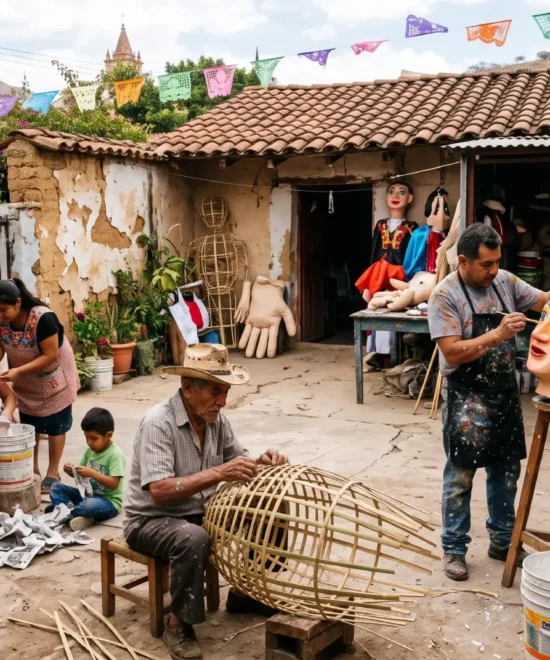
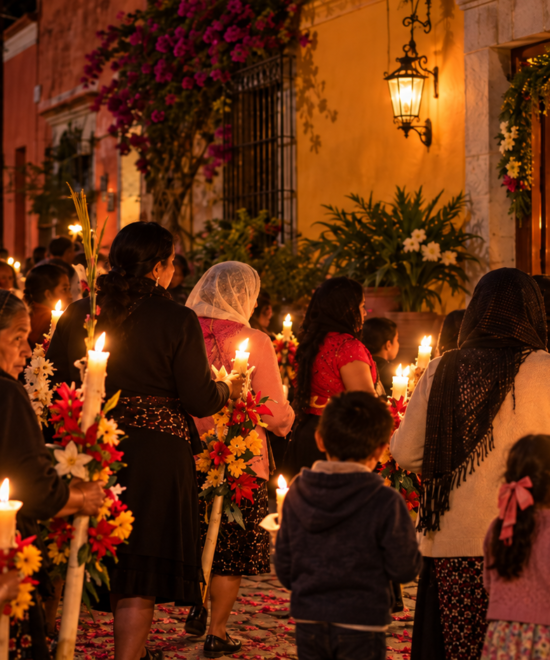
Mezcal production in Oaxaca is often a family legacy, passed down through generations in small rural palenques. Many of today's respected mezcaleros learned from parents and grandparents, blending ancient techniques with deep respect for the land. This spirit embodies community, patience, and cultural pride.
Starting your own mezcal business is a profound commitment. It is not easy or quick. It requires years of learning, significant investment, and a genuine connection to the process. Oaxaca produces over 90 percent of the world's mezcal because of its ideal conditions: diverse wild agaves, varied soils, and a tradition of artisanal pit-roasting that creates unmatched smoky complexity.
Step 1: Learn the Craft Deeply
Begin by immersing yourself in the tradition. Apprentice with experienced mezcaleros in Oaxaca villages. Spend time in palenques observing harvesting, roasting, fermentation, and distillation. Understanding the nuances—how different agaves and microclimates influence flavor—is essential. Oaxaca's mezcal stands apart due to this hands-on knowledge and use of wild varieties like tobalá or tepeztate, which grow slowly in rugged terrain.
Step 2: Secure Land and Agave Sources
Acquire or partner for land suitable for agave cultivation or sustainable harvesting. Espadín matures in 8–10 years, while wild types can take 25. Sustainability is critical; overharvesting has impacted some species. In Oaxaca, many producers balance cultivated fields with respectful wild collection, preserving biodiversity that gives the spirit its unique terroir.
Step 3: Build Your Palenque
Establish a production facility compliant with regulations. This includes space for pit ovens, crushing areas, fermentation vats, and stills. Traditional Oaxacan palenques use earthen pits for roasting, creating the signature smoke absent in industrial tequilas. Location matters—Oaxaca's valleys provide the climate and resources that shape authentic flavor profiles.
Step 4: Invest in Equipment and Team
Acquire tools like tahonas for crushing, copper or clay stills for distillation, and fermentation vessels. Hire skilled jimadores and mezcaleros. Initial costs can be substantial, covering everything from wood for pits to bottling materials. Building a reliable team rooted in local knowledge helps maintain quality.
Step 5: Obtain Certification and Compliance
Mezcal is a protected denomination of origin, primarily centered in Oaxaca. Register with the Consejo Regulador del Mezcal (CRM) for certification, ensuring your process meets standards for authenticity and quality. Navigate permits, environmental regulations, and export requirements if selling internationally.
Step 6: Develop Sustainability and Community Ties
Commit to ethical practices: replanting agaves, fair wages, and community involvement. Many Oaxacan producers support local economies and preserve traditions. This not only sustains the industry but honors the cultural heritage that makes the spirit special.
Step 7: Market and Distribute Your Mezcal
Build a brand story emphasizing your process and origins. Partner with distributors, enter tastings, and educate consumers. Exporting adds complexity with labeling and tariffs. Patience is key—building reputation takes time, much like maturing agave.
Estimating Costs and Time to Profitability
Costs and timelines vary widely depending on scale—contracting production versus building a full palenque—and market conditions like agave prices.
- Initial Investment Costs (USD approximate):
- Low end (branding/contracting existing production): $50,000–$200,000 (certifications, initial bulk purchase, marketing).
- Middle (small artisanal palenque setup): $500,000–$1,500,000 (land/partnerships, basic equipment, first batches).
- High end (large operation with own fields): $2,000,000+ (extensive land, advanced facilities, long-term agave planting).
- Time to Profitability:
- Low end: 3–5 years (quick brand launch with contracts).
- Middle: 5–10 years (building production and market presence).
- High end: 10–15+ years (full cycle including agave maturity and established sales).
These are broad estimates; actual figures depend on location, partnerships, and economic factors. Many succeed through patience and community focus.
Final Thoughts on the Journey
Launching a mezcal business is rewarding but demanding, blending entrepreneurship with cultural stewardship. Oaxaca's mezcal thrives because of its deep roots—artisanal methods, diverse agaves, and community spirit—that create flavors found nowhere else.
If inspired, start by visiting Oaxaca, touring palenques, and tasting thoughtfully. Supporting existing producers preserves this legacy while you explore your path.