


Plan Your Perfect 5 Day “Día de los Muertos” Trip
Your Perfect Five-Day Día de Muertos Itinerary
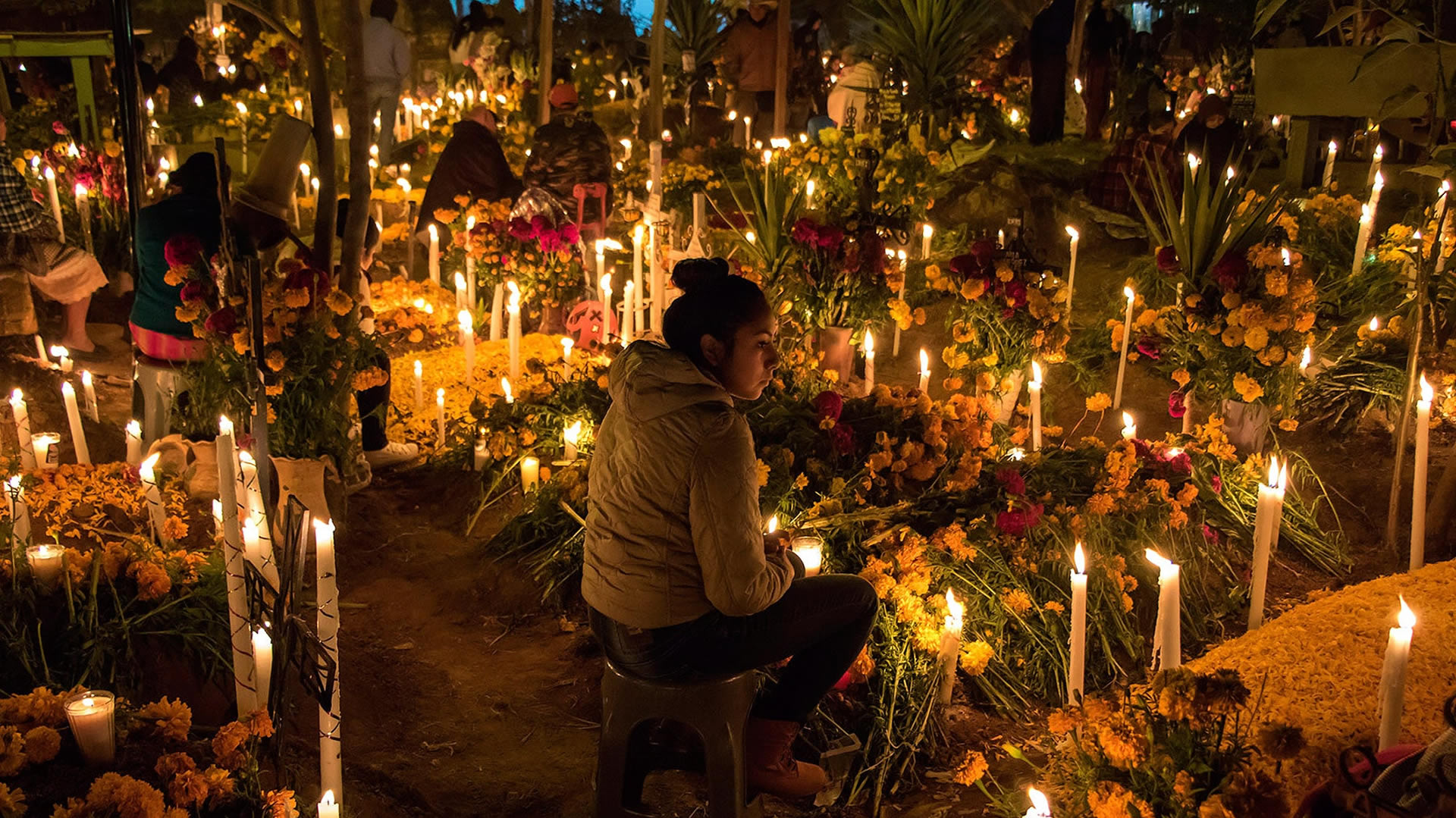
Oaxaca during Día de Muertos feels as though the entire valley has awakened at once. Markets overflow with cempasúchil, pan de yema, candles, copal and fruit. Brass bands appear around corners. Sand tapestries bloom across plazas. At night, candlelight flickers over family altars and cemetery paths while music drifts through the cool air.
This itinerary begins on Friday, October 30 and ends on Tuesday, November 3, 2026. It gives you the unforgettable nighttime traditions people travel to Oaxaca to experience, but it does not reduce the journey to a marathon of cemetery visits. You will also explore Monte Albán, enter the sacred world of Mitla, wander two of Oaxaca’s greatest markets, meet alebrije artisans, taste foods prepared for the season and finish with one last walk through the glowing heart of the city.
The pacing matters. Two meaningful cemetery experiences are enough. The rest of the trip reveals why Día de Muertos is inseparable from Oaxaca’s food, archaeology, family life, art and living Indigenous traditions.

Your complete five-day Muertos journey—planned in one click
Open this entire October 30–November 3 itinerary inside Oaxaca Atlas. Monte Albán, Mitla, markets, cemetery vigils, neighborhood altars, comparsas, realistic travel times and rest periods are already arranged across five days. Move anything, remove anything or add discoveries of your own.
Open my free five-day Muertos itinerary →Your Five Days at a Glance
| Date | Theme | Planned Experiences |
|---|---|---|
| Friday, October 30 | Markets, artisans and the city’s transformation | Ocotlán Market → San Martín Tilcajete → Centro altars and opening-night atmosphere |
| Saturday, October 31 | Ancient Oaxaca and candlelit remembrance | Monte Albán → lunch and rest → Xoxocotlán cemetery velada |
| Sunday, November 1 | The eastern valley and Mitla after dark | Tlacolula Sunday Market → Mitla archaeological site → Mitla Muertos night |
| Monday, November 2 | Neighborhood altars, Panteón General and comparsa | Jalatlaco and Xochimilco → Panteón General → evening neighborhood comparsa |
| Tuesday, November 3 | History, food and a beautiful farewell | Santo Domingo and Museum of Cultures → Muertos cooking class → final Centro altar walk |
Important 2026 planning note: Oaxaca’s final official Día de Muertos program is normally published closer to the celebration. The itinerary is built around dependable market days, archaeological visits and established community traditions, but exact concert, verbena, comparsa and cemetery-access times must be confirmed once the official 2026 calendar appears.
Transportation and Reservations
This is not a trip to improvise entirely after you arrive. Oaxaca becomes exceptionally busy during Día de Muertos, streets close without much warning and late-night transportation from surrounding communities can be difficult to find.
- October 30: A private driver or rental car is the easiest way to combine Ocotlán and San Martín Tilcajete before returning to the city.
- October 31: Reserve round-trip transportation to Xoxocotlán before leaving your hotel. Do not assume a late-night taxi will be waiting.
- November 1: Arrange a driver for Tlacolula and Mitla if you intend to remain in Mitla after dark.
- November 2 and 3: Most city stops can be connected on foot, with a short taxi ride when needed.
Stay near Centro, Jalatlaco or Xochimilco if possible. A central base allows you to walk around road closures and return to your room between daytime and nighttime activities.
Day 1: Friday, October 30 — Markets, Alebrijes and the City Coming Alive
Morning: Ocotlán Friday Market
Begin where families begin: in the market. Ocotlán’s Friday tianguis is already vibrant during an ordinary week, but Muertos season fills it with a different energy. Look for armfuls of orange cempasúchil, bundles of candles, sugar cane, fruit, copal, chocolate and fresh bread destined for family altars.
Arrive early enough to watch the market build rather than entering at its most congested hour. Carry small bills, taste something warm and let the colors, aromas and conversations introduce you to the celebration before the night crowds appear.
Afternoon: San Martín Tilcajete
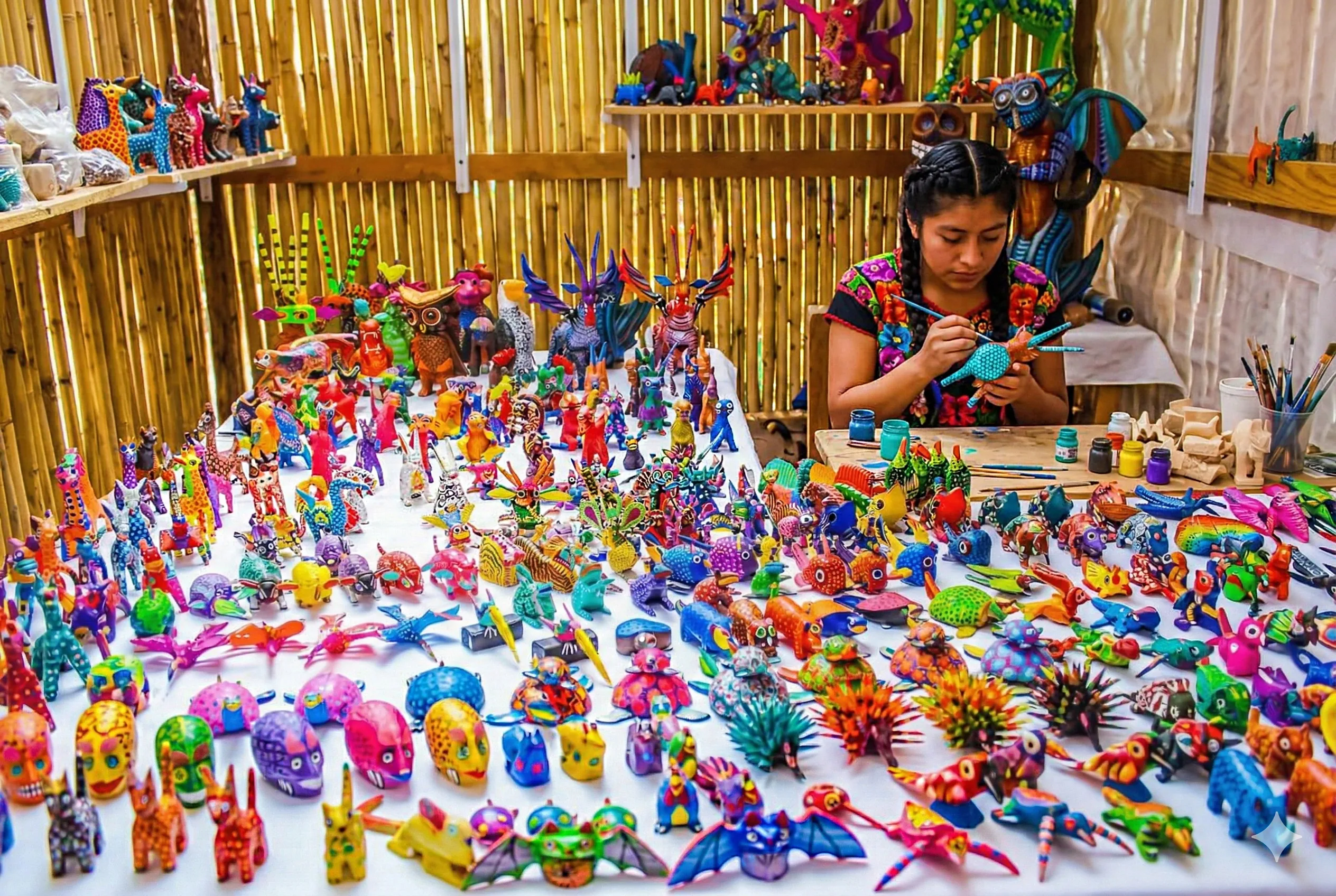
Continue to San Martín Tilcajete, where copal wood becomes dragons, jaguars, skeletons and impossible creatures painted in astonishing detail. Choose one family workshop and stay long enough to see how carving, drying and painting actually work.
TIP: Ask whether the workshop is creating seasonal skeletons, altar pieces or Muertos figures. Buying directly from the family makes the visit far more meaningful than rushing through several commercial showrooms.
Evening: Centro Altars and Opening-Night Atmosphere
Return to Oaxaca before sunset. Walk through the Zócalo, Alameda de León and the Andador Macedonio Alcalá as monumental figures, public altars, flowers and sand tapestries begin to glow under the evening lights.
Do not lock this evening into a rigid schedule. Leave room for the strongest officially announced concert, verbena or comparsa once the final 2026 program is released.
Day 2: Saturday, October 31 — Monte Albán and the Xoxocotlán Velada
Morning: Monte Albán
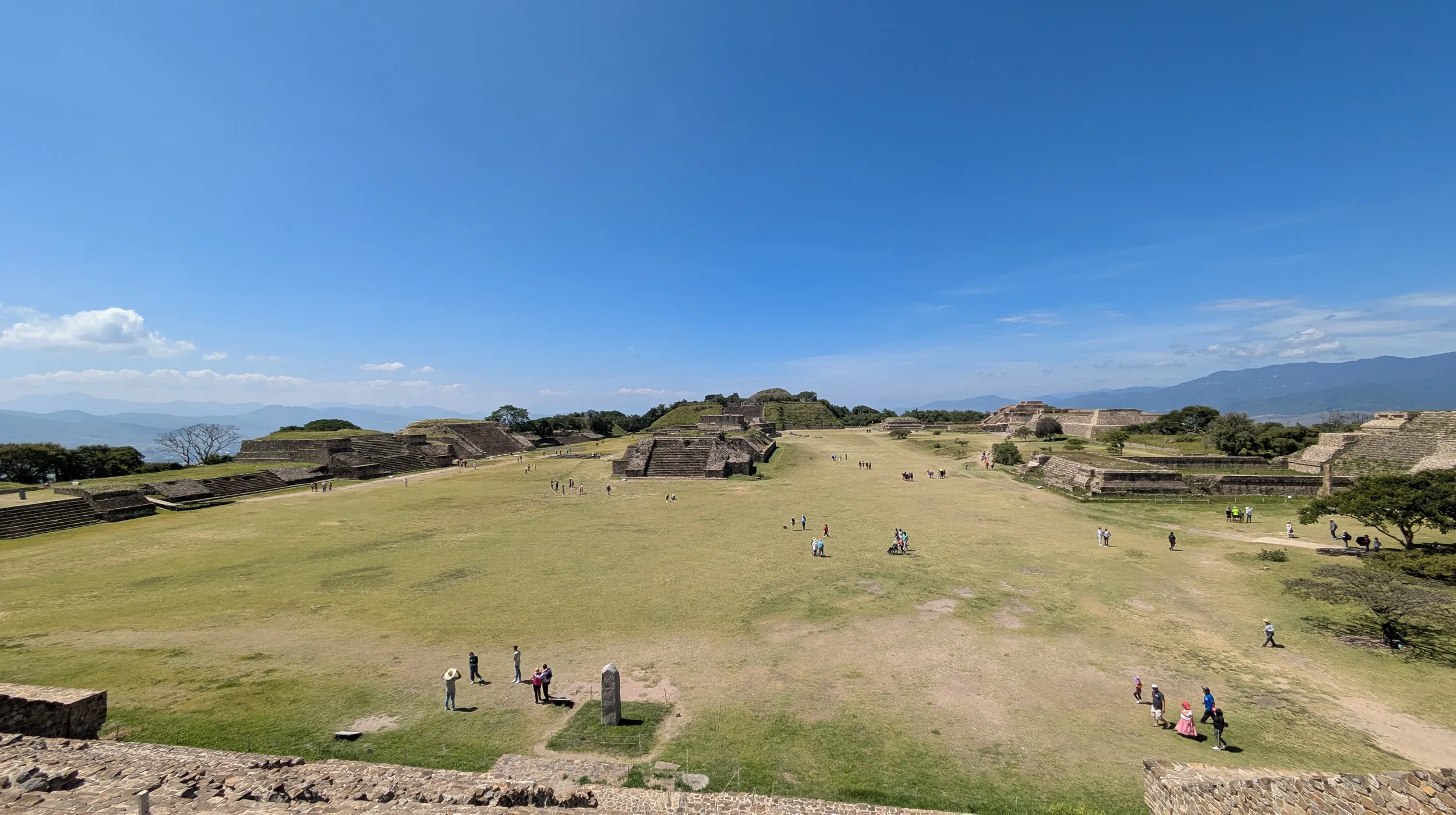
Before entering the world of nighttime vigils, stand above the valley at the ancient Zapotec capital. Monte Albán gives the trip historical weight and breathing room. Its great plaza, carved monuments, tombs and mountain views remind you that Oaxaca’s relationship with ancestors, sacred landscapes and cycles of life reaches far beyond the modern festival.
Give the site approximately three hours. Arrive early, carry water, wear a hat and download your maps or audio tour before leaving the city because explanatory signs inside the archaeological zone are limited.
Afternoon: A Real Meal and a Real Rest
Return to Oaxaca for lunch and then stop. This is not wasted time. Take a shower, charge your phone, change into warmer clothes and rest before the most demanding night of the itinerary.
Evening: Xoxocotlán Cemetery Velada
Santa Cruz Xoxocotlán is known for family vigils illuminated by candles and cempasúchil. The atmosphere can be extraordinarily beautiful, but this is first a night of remembrance for local families—not a theatrical attraction created for visitors.
Respect matters: Keep your voice low, never step across graves or offerings, avoid flash photography and ask permission before photographing people or private altars. Confirm which cemetery is receiving visitors and what access rules will apply in 2026.
Day 3: Sunday, November 1 — Tlacolula, Mitla and the Place of Rest
Morning: Tlacolula Sunday Market
November 1, 2026 falls on a Sunday, which makes Tlacolula an irresistible part of the route. The market brings communities from across the eastern valley together in a swirl of textiles, pottery, flowers, copal, produce, chocolate and fragrant food stalls.
Eat early here. Try a market breakfast or an early lunch rather than rushing through Mitla because you are hungry. Carry cash and move slowly—the market is not simply a shopping stop but one of the strongest expressions of everyday valley life.
Afternoon: Mitla Archaeological Site
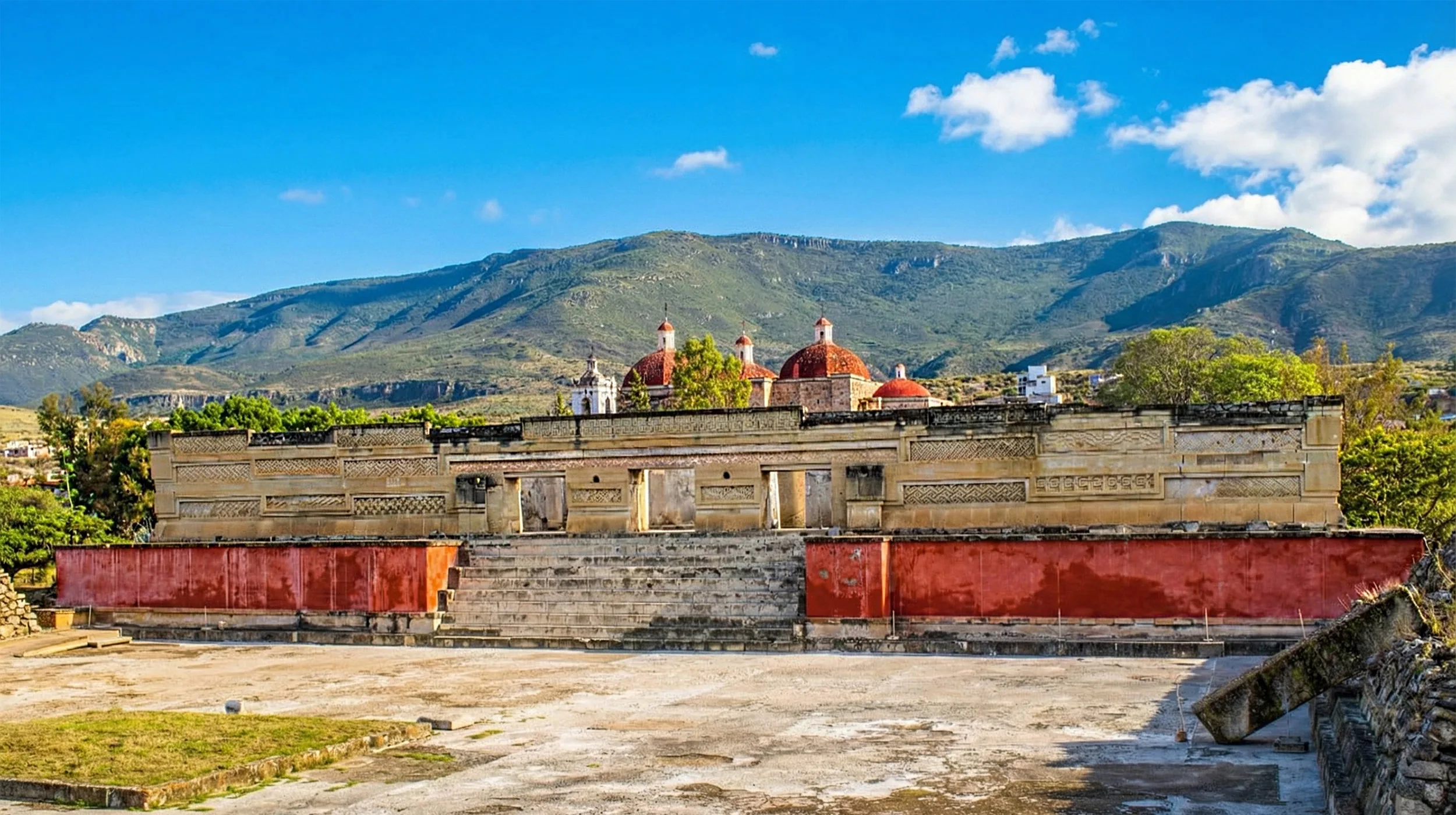
Mitla feels completely different from Monte Albán. Instead of a monumental mountaintop capital, you enter an intimate sacred center filled with tombs, courtyards and geometric stone mosaics assembled without mortar.
The town’s ancient identity is inseparable from ideas of death, rest and the journey beyond life. That connection makes Mitla particularly powerful during Muertos season.
Evening: Mitla Muertos Night
Stay after the archaeological visit. Eat, rest and then explore the community’s public altars, sand tapestries, performances and evening atmosphere. This night is deliberately focused on the town’s living cultural program rather than adding another exhausting all-night cemetery vigil.
TIP: Confirm the official 2026 Mitla program locally. Concerts, processions, exhibitions and cemetery rules change from year to year.
Day 4: Monday, November 2 — Neighborhood Altars, Panteón General and Comparsa

Morning: Jalatlaco and Xochimilco
After two travel-heavy days, slow the pace. Walk through Jalatlaco and Xochimilco, where decorated façades, neighborhood altars, papel picado, murals, flowers and quiet residential details create a more intimate experience than the largest downtown spectacles.
Let the route remain flexible. Decorations and street closures shift, and the most memorable discovery may be a small altar or flower-covered doorway that never appeared on an official map.
Afternoon: Panteón General
Yes, Panteón General belongs in this itinerary. Its historic architecture, central location and transition from daylight into candlelight create a distinct experience from the late-night Xoxocotlán velada.
Visit during the afternoon and early evening rather than treating it as another overnight excursion. Municipal opening hours and visitor restrictions can change, so confirm access before walking over.
Evening: Neighborhood Comparsa
End the evening with brass music, masks, costumes, satire and movement through the streets. The planned Atlas stop uses the Cinco Señores neighborhood comparsa, but the final choice should follow the confirmed 2026 route and schedule.
Stay behind the musicians and performers. Do not stop a moving procession or push in front of families for photographs.
Day 5: Tuesday, November 3 — History, Food and a Final Walk Through the Light
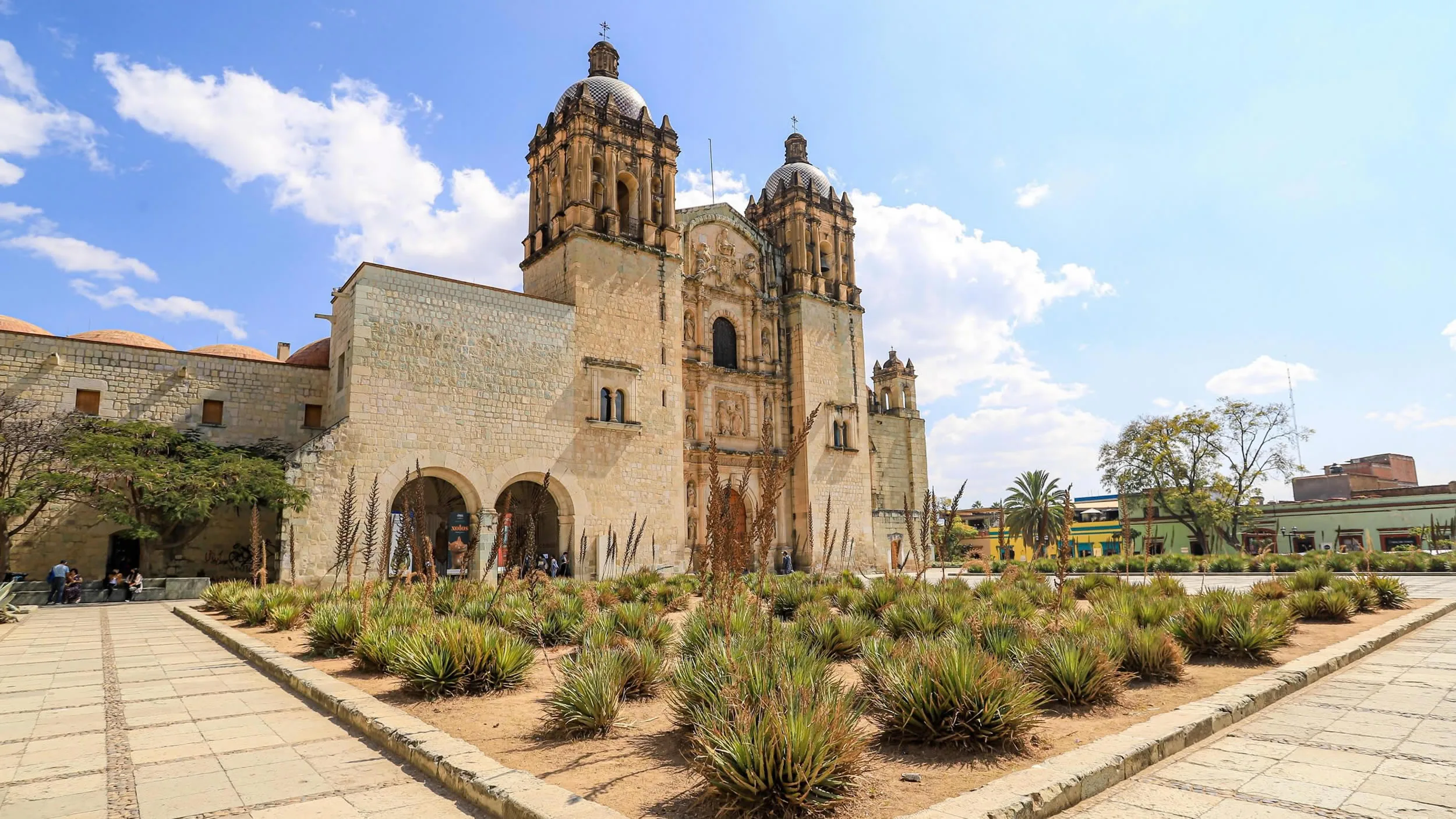
Morning: Santo Domingo and the Museum of Cultures
Finish the journey by connecting the modern celebration to Oaxaca’s deeper history. Visit the baroque church of Santo Domingo and the Museum of Cultures, where the objects recovered from Monte Albán’s Tomb 7 reveal extraordinary traditions of power, ritual, craftsmanship and burial.
Confirm the museum’s Tuesday opening status before the trip. Give the Tomb 7 collection real time rather than treating it as a quick indoor stop.
Afternoon: Día de Muertos Cooking Class
Spend the afternoon preparing foods tied to the season: mole, tamales, chocolate, pan de yema or another dish chosen for the altar and the family table. The best class is not simply a recipe demonstration; it explains why these foods are prepared, offered and shared.
Reserve a class that specifically confirms a Muertos menu or includes a market visit. Ask which foods belong on the ofrenda and which are served when the living family gathers.
Evening: One Last Altars Walk
Return to Alcalá and the Zócalo for the public altars and installations that remain. There is no long transfer and no demanding late-night commitment—only time to revisit a favorite street, hear one final concert or sit with hot chocolate while Oaxaca slowly returns to its ordinary rhythm.
This final evening should feel less like checking off another attraction and more like saying goodbye.
Should You Add More Muertos Places?
Add Panteón General: Yes. It is central, historically atmospheric and different enough from Xoxocotlán to justify its place.
Add an Etla muerteada: Only as a substitution, not as another extra night. Replace the November 2 comparsa or the Mitla evening if an all-night Etla experience is one of your main reasons for traveling.
Add another cemetery: No. Xoxocotlán and Panteón General already offer two distinct cemetery experiences. A third would make the itinerary repetitive, exhausting and less respectful.
Add Zaachila or Atzompa: Only by replacing another valley excursion. Five days already contain Monte Albán, Mitla, Ocotlán and Tlacolula, so another out-of-town destination would turn the trip into a race.
What to Eat During the Trip
Día de Muertos food is not decoration around the celebration. It is one of the ways the living continue caring for the dead. Look for:
- Pan de yema and pan de muerto, often decorated with small painted faces.
- Oaxacan hot chocolate, whisked until foamy and perfect after a cool evening procession.
- Mole negro, prepared for family meals and important offerings.
- Tamales filled with mole, chicken or regional ingredients.
- Seasonal fruit, sugar cane, nuts and mezcal displayed on family altars.
- Tlacolula market food, where the Sunday meal becomes part of the experience rather than a break from it.
Complete Trip Tips
- Book accommodation near Centro, Jalatlaco or Xochimilco well in advance.
- Reserve late-night transportation before October 31 and November 1.
- Carry cash in small denominations for markets, food, crafts, taxis and tips.
- Pack comfortable walking shoes and a light jacket for cool cemetery nights.
- Charge your phone before evening events, but do not rely on mobile service in crowded communities.
- Set a physical meeting point with your group before entering a large comparsa or cemetery.
- Ask permission before photographing people, family altars or private graves.
- Never touch food, flowers, candles, photographs or objects placed on an altar.
- Expect road closures, delayed taxis and changing routes. Flexibility is part of the trip.
- Check the final official 2026 program shortly before arriving and adjust the Atlas itinerary around confirmed events.
This route is full, but it is not frantic. It gives you ancient cities in the morning, markets filled with life, evenings illuminated by memory and enough breathing room to understand that Oaxaca’s Día de Muertos is not a performance about death. It is a welcome home.
Your unforgettable five-day Oaxaca journey is already waiting
Open all fifteen stops inside Oaxaca Atlas with the dates, days, travel times and rest periods already organized. Then personalize it with your hotel, restaurant reservations, confirmed 2026 events and anything wonderful you discover along the way.
Open my free five-day Muertos itinerary →


