
'/%3E%3Cpath%20fill='%2330c2dc'%20d='M493%20379c-14-6%2010-16%2014-16-8-1-21%203-27%203l-57-3c-7-1-12-10-10-10-3%203-37-9-27%200l9%2014c15-3%2030%208%2013%2014%203%200%2057-4%2085-2'/%3E%3Cpath%20fill='%23f9aa51'%20d='M475%20366v13q-1%207-7%207h-35q-6-1-7-7v-13q0-6%207-7h35q7%201%207%207'/%3E%3Cpath%20fill='%230c8489'%20d='M388%20335c-11%205-28-12-25-24%203-13%2028-2%2029%2014%207-2%2020%202%2025%207%209-11%2038-3%2041%2010%2011-13%2028-9%2034-3%2013-10%2033-4%2030%207-3%2012-29%2015-37%206-1%201-20%200-22%2016h-11c-3-4-2-14-1-15-11%204-29-3-34-10-7%204-25-1-29-8'/%3E%3Cpath%20fill='%23fcca3d'%20d='m419%20304-3%203c-7-4-11%208-19-2-2-3-3-10%205-16%205-3%2018-5%2019%200%203%206%207%206%204%209l4%203v9zm56%2031c-15%204-16%209-15%2012q-7-6-1-10c-9-8-10%206-8-6%201-8%2024%205%2018-15h9q-1%2015%2017%2019c0%2024%202-3-6%205-2%200-5-6-14-5'/%3E%3Cpath%20fill='%238f4620'%20d='M418%20268c-4-24%2020-46%202-44-16%201-18-2-18-2-6-7%2010-11%209-20q2%2011%205-4c2%206%204%208%205-3%205%207%2017%205%2025%2010q-3-6-10-11c-12-11%2012-9%2012-9%2033-11%2044%2012%2061%2012-17%203%2013-2%2038%2058-18-11%2012-1-7%2067%200%200-45-57-36-39-10-5-20-18-20-18-11%203-2%204-1%2020%200%200%2043%2030%2045%2036%201%206-10%204-25%207-16%202-23-20-22-10s-16%205-16%205-19-29-19-9c-39-3-20-15-20-15s10%202%208-2c-2-3-12-4-16-29m-7-66'/%3E%3Cpath%20fill='%23f9c83a'%20d='M407%20220c10%203%2015-3%2016%204%204%204-22%209-19%2014-7%203-18-10-5-16%201-5%206-3%206-3l6-8q3%207-4%209'/%3E%3Cpath%20fill='%23a8ac71'%20d='M403%20309c-15%201-19%205-23-16-18-16-8-25-7-28%201-8-12-11-15-10-1-8%2022-1%2021%209-1%209-7%2011%206%2024%205%204%203%2014%2011%2011-1%204%203%2010%207%2010m6-18c10-8-24%202-26-24-1-15%2027-22%2023-34l-5-3q1-4%207-3c19%2015-11%2027-14%2038-4%2024%2031-5%2025%2029l-3%205q-7-4-7-8m-11-54c-25%206-23-35-7-35%201%2020-15%2015%205%2015-8%200-13%2011-3%2012q1%206%205%208'/%3E%3C/svg%3E)


Day of the Dead 2026 in Oaxaca: The Ultimate Traveler’s Guide to Dates, Times, Festivities, Activities and more
Why Day of the Dead in Oaxaca is unforgettable
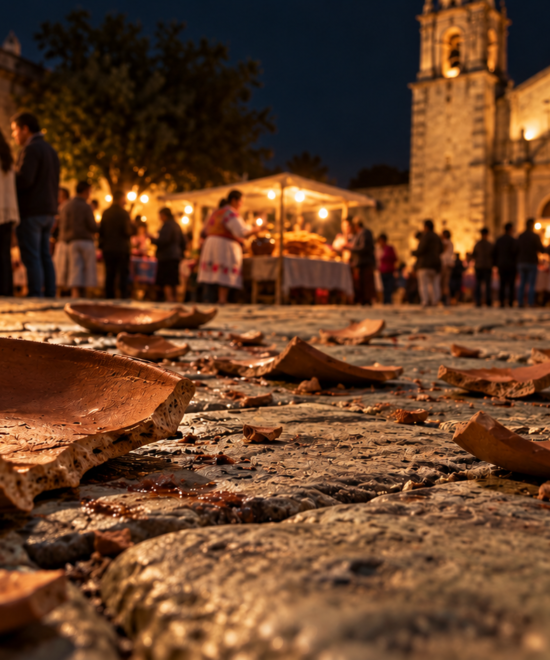
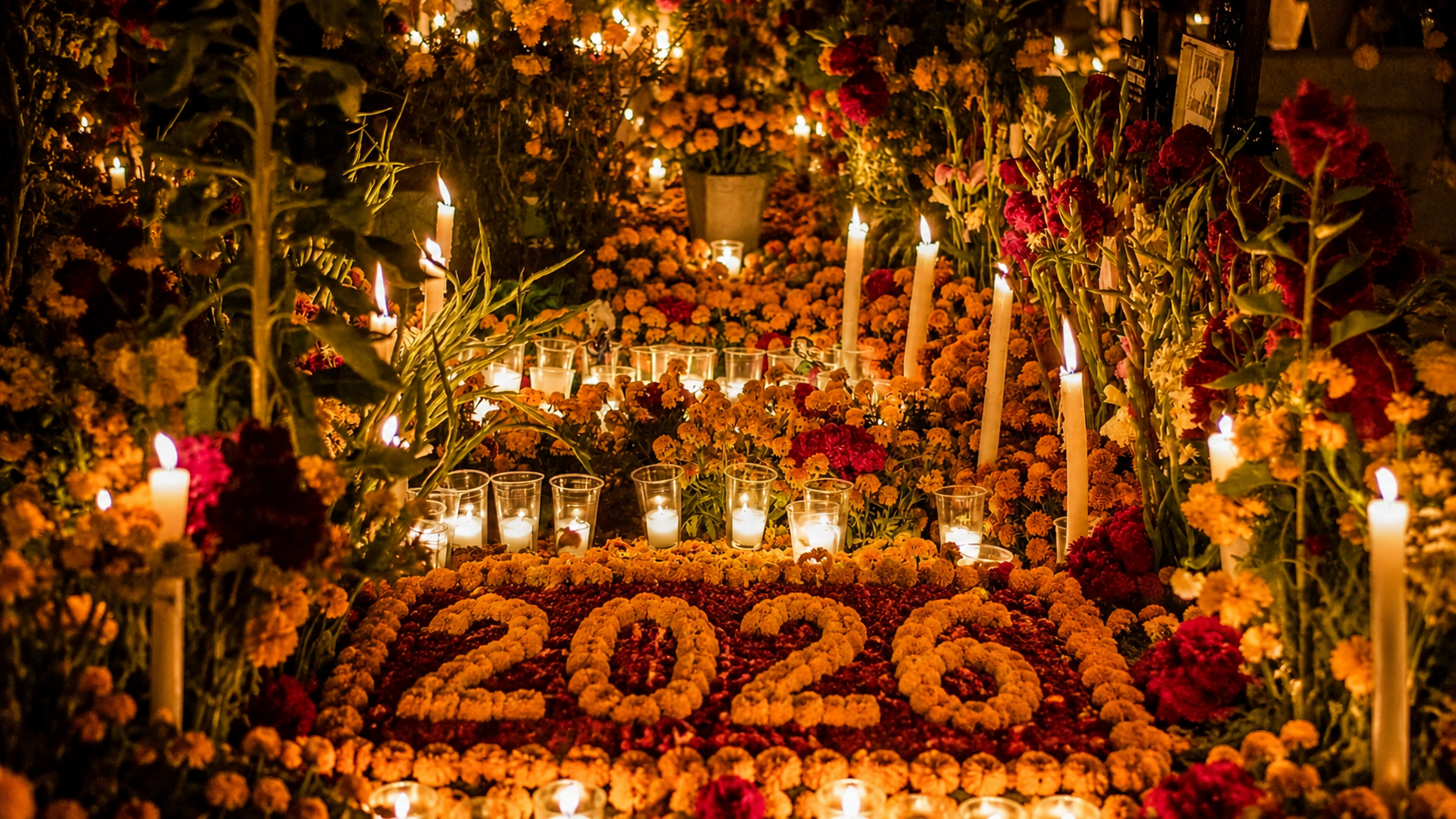
Día de Muertos in Oaxaca is one of Mexico’s most meaningful and visually powerful celebrations. It is not simply a festival, and it is not a performance created for visitors. At its heart, it is a family reunion across worlds, when homes, cemeteries, markets, and streets are prepared to welcome the souls of loved ones who have passed away.
In 2026, the most important dates are October 31, November 1, and November 2. In practice, preparations and visitor-facing activities begin much earlier, with workshops, exhibitions, community programs, and public installations building through October. For MAHC Día de Muertos alerts, this calendar includes activities that begin on or before November 2; events beginning after November 2 are intentionally excluded.
This guide is designed for travelers who want to experience Oaxaca with warmth, curiosity, and respect. You will find practical dates, cultural context, where to go, what to eat, how to move around, and how to participate without interrupting the intimate nature of the tradition.
Key dates for Day of the Dead 2026 in Oaxaca
The spiritual heart of Día de Muertos remains October 31, November 1, and November 2, but the public calendar begins much earlier. Use the dates below to plan workshops, exhibitions, community activities, comparsas, cemetery visits, concerts, fairs, and other temporary programming. MAHC alert coverage includes activities that begin on or before November 2. Neighborhood schedules can still change, so check the most recent local announcement before making a special trip.
October 21 update — Important details we're still checking
Before you go: routes, judging locations and cemetery access
The October 31 Catrinas Contest now has prizes, eligibility and a October 26 registration deadline, but its final judging time and exact judging location still need confirmation: the earlier Alameda de León listing differs from newer information naming the Zócalo. We're also watching the Gran Comparsa street-by-street route and road closures, Xoxocotlán cemetery entry and performance times, and workshop registration and capacity. The details confirmed so far appear in the updated calendar below.
| Date | Activity | What you need to know |
|---|---|---|
| September 17 to October 16 | Las Calaveras También Saben Bailar — papier-mâché workshop |
|
| September 23 to October 16 | Curso de Elaboración de Catrinas — Villa de Zaachila |
|
| September 24 to October 28 | 5th State Día de Muertos Artisan Contest — results and public awards |
|
| September 24–November 29 · guided visits October 30 and November 1 | Luz y sombra: Celebrando a los muertos — exhibition and artist visits |
|
| September 26 to October 24 | Semilleros de la Muerteada — San Agustín Etla |
|
| September 28 to October 14 | Rostros del Ánima — papier-mâché mask workshop |
|
| October 3 | Pinta de Mural de Muerteada — Santa María Atzompa | Currently listed for 12:00 PM at the Panteón Municipal de Santa María Atzompa, with live traditional banda music during the community mural painting. |
| October 10 to 25 · weekends | Noche de Almas Neón — free children’s painting workshop, Santa Cruz Xoxocotlán |
|
| October 15–29 · 9:00 AM–2:00 PM | Free Catrina-making workshop — Santa Rosa Panzacola |
|
| October 14, 21 & 28 · 5:30 PM | Macabra Inocencia — IAGO horror film series |
|
| October 19 to November 1 | Instituto Cultural Oaxaca — Día de Muertos program |
|
| October 19 to 29 | Taller de Elaboración de Calaveritas de Amaranto — San Raymundo Jalpan |
|
| October 22–29 | Camino a la Eternidad — community mural-making, San Agustín Etla |
|
| October 23 to November 2 | Festival Suspiro por Verte — Huajuapan de León |
|
| October 24 | Muerteada mural events — Yahuiche and Suchilquitongo / Etla Valley |
|
| October 24 to November 1 | 6th Festival del Corte de Flor de Cresta de Gallo — San Antonino Castillo Velasco |
|
| October 24–November 8 · individual hours pending | San Antonio Arrazola — Expo Feria Artesanal de Alebrijes |
|
| October 27–November 1 | San Juan Bautista La Raya — cempasúchil flower fields |
|
| October 24 · from 9:00 AM | Mercadito Entre Vivos y Muertos — central Oaxaca market |
|
| October 24 · 10:00 AM | Traditional mole negro workshop — Ánimas Trujano |
|
| October 24 · 6:00 PM | LYOBAA: Símbolos de la memoria del Día de Muertos — Museo Ervin Frissell, Mitla |
|
| October 24 · 6:00 PM | Macario — theatrical performance |
|
| October 25 · noon | Día de Muertos Muy Charro — equestrian celebration, Atzompa |
|
| October 25 to November 2 | Soledad Etla Día de Muertos program |
|
| October 25 to November 2 | Viajero Oaxaca — provider-organized Día de Muertos workshops and excursions |
|
| October 25, 26, 29 & 30 | Porque la muerte también canta — theater and music |
|
| October 25 to November 3 | Concurso de Fachadas — Centro Histórico |
|
| October 25 to 30 | Preparations intensify | Markets fill with marigolds, candles, copal, sugar cane, chocolate, pan de yema, altar supplies, masks, and seasonal decorations. |
| October 25 · 5:00 PM | Gran Comparsa Perruna — dog-themed neighborhood procession |
|
| Through October 31 · 5:00 PM listed | Manos y Memorias — children’s workshop, Zaachila |
|
| October 26 to November 3 | Flores que guían el alma — cempasúchil field circuit |
|
| October 26 to November 3 | Monumental tapete de arena — Jalatlaco | A 250 m² sand tapestry by three Oaxacan artists will be installed in the atrium of the Templo de Jalatlaco. This is a confirmed public visitor-facing installation. |
| October 26 to November 3 | 30 monumental altars — Oaxaca Zócalo | The Zócalo will host 30 monumental altars representing Oaxaca’s Indigenous peoples and Afro-Mexican community. Exact daily viewing hours have not yet been published. |
| From October 26 | Sendero al Mictlán — Andador Turístico | Nine monumental Día de Muertos sculptures are planned along Oaxaca City’s Andador Turístico. October 26 is the announced start; daily viewing hours have not yet been specified. |
| October 26 to November 4 | Expo Feria Artesanal Comunitaria del Alebrije — San Martín Tilcajete |
|
| October 26–27 · from 10:00 AM | Zaachila Pan de Muerto Fair |
|
| October 26 · 6:00 PM | Community muerteada mural painting — Zaachila |
|
| October 28 to 29 | Máscaras y tradiciones — family workshop at Museo Textil de Oaxaca |
|
| October 28 to November 4 | Casa Hecho en Oaxaca — Ofrenda y Herencia |
|
| October 29 · 4:00 PM | Ofrenda(rme) — embroidered-photo workshop |
|
| October 30 · noon | PLAYERIZA — live screen-printing at Prueba de Autor |
|
| October 30 · noon | Recuerdos en Copal — temporary artwork exhibition |
|
| October 30–31 | DivertiMuertos — ONE combined entry: costume contest, workshops, calenda & family race |
|
| October 30–November 2 | Santa Cruz Xoxocotlán — NEW official 2026 Velada, cemetery concerts and comparsas |
|
| October 30 | Verbena Xandú — Oaxaca Zócalo | 7:00 PM in the Zócalo. The public celebration will offer tamales, pan, chocolate and coffee free of charge. |
| October 30 | Traditional Candiani comparsa | Currently listed for 7:00 PM in Candiani, Oaxaca de Juárez. A detailed street-by-street route has not yet been published. |
| October 30 | Recorrido al Mictlán 2026 |
|
| October 30 · 5:00 PM | Calaquita Sandunguera — family celebration |
|
| October 30 · 7:00–11:00 PM | Comparsa Muertos del Barrio La Noria |
|
| October 31 into November 1 | Muerteada Pocos Pero Locos — San Lázaro, Reyes Etla |
|
| October 31 to November 2 | Festival Cultural del Tule — Santa María del Tule |
|
| October 31 · 3:30 PM participant meeting; 6:00 PM procession | Oaxaca Catrinas Contest — rules, prizes and registration now published |
|
| October 31 · 6:00 PM | Arrival of the angelitos + Oaxaca City Gran Comparsa / Concurso de Contingentes |
|
| October 31 | Día de Muertos concert — Alameda de León | State-announced concert at 8:00 PM in Alameda de León, following the 6:00 PM Gran Comparsa. Expect the Porfirio Díaz–García Vigil–Alameda/Centro area to be exceptionally busy that evening. |
| October 31 · 2:00 PM | Pinta + Pizza — decorated tin-art workshop |
|
| October 31 · 6:00 PM | Si me cantas, siempre vivo y nunca muero — theater and music |
|
| October 31 · 7:00 PM | Cordones de la memoria — dance performance |
|
| October 31 · 7:00 PM | Al son que me toquen bailo: Fiesta de Muertos en Oaxaca |
|
| November 1 | All Saints’ Day and major neighborhood comparsas |
|
| November 1 into November 2 | Nazareno Etla muerteadas |
|
| November 1–3 · daily times pending | Ianni Xtë Tagul and Responso 2026 — San Antonino |
|
| November 1–2 · market may start October 29 | Plaza de Muertos — Zimatlán de Álvarez |
|
| November 1 · 2:00 PM listed | Guadalupe Hidalgo, Etla — traditional muerteada |
|
| November 2 | All Souls’ Day and regional comparsas |
|
| November 2 · 6:00 PM listed | La Mera Mera Muerteada Burrograndera — Zaachila |
|
| November 2 · 6:00 PM listed | Trinidad de Viguera Gran Comparsa |
|
| Dates/times pending | Parque Primavera interactive Día de Muertos experience |
|
| Dates/times pending | Palacio de Gobierno Día de Muertos programming |
|
| Date/time pending | Feria del Atole — Santa Cruz Amilpas |
|
Added or materially updated October 21: Only newly published details from the October 21 review are highlighted in light orange. All earlier updates have returned to white. The separate Casa de la Cultura Oaxaqueña program below is pale yellow. MAHC Día de Muertos alert coverage includes activities that begin on or before November 2; events beginning later are intentionally excluded.
NEW PROGRAM — Casa de la Cultura Oaxaqueña: Día de Muertos 2026
The Casa de la Cultura Oaxaqueña (CCO) announced a broad program on October 20 covering exhibitions, public performances, creative workshops and community events at the CCO and other venues. The entire schedule is collected here in pale yellow, separate from the main calendar to avoid duplicate entries.
Contact / registration: CCO and the specific host venue; no verified general phone, ticket prices or public-registration links appeared in the published program. Important: Workshops on university premises or at community facilities may have limited access; confirm with the organizers.
| Date and time | Activity | Venue, admission and visitor details |
|---|---|---|
| Oct 21 · 4:30 PM | Elaboración de flores de tradición — flower-making workshop |
|
| Oct 22 · 5:00 PM | Cruzando: Travesía — Artnauts exhibition opening |
|
| Oct 26 · 5:00 PM | Oaxaca: ocho formas de honrar la vida — altar exhibition opening |
|
| Oct 26 · 6:00 PM | Los ojos del alebrije — dance |
|
| Oct 27 · noon | El aire de la ofrenda — papel picado workshop |
|
| Oct 27 · 6:00 PM | La tentación del borracho — theater |
|
| Oct 28 · noon | Piel de catrina — artistic makeup workshop |
|
| Oct 28 · 5:00 PM | Entre copal y cempasúchil: Pilares que sostienen la memoria — community festival |
|
| Oct 29 · 5:00 PM | La ofrenda de los abuelos – Huehuentones – Almas viejas — folkloric dance |
|
| Oct 29 · 6:30 PM | Los ojos del alebrije — second dance performance |
|
| Oct 30 · 5:00 PM | León Varela — live music |
|
| Oct 30 · 5:30 PM | Encanto de una noche de cempasúchil — classical / folk dance |
|
| Oct 30 · 6:00 PM | Calaveritas, flores y tradición — multidisciplinary performance |
|
| Nov 3 · 5:00 PM | Manchas de tinta de cochinilla — children’s workshop |
|
| Nov 3 · 5:00 PM | Leyendas: El Callejón del Muerto, La Llorona y La Matlazihua — theater workshop |
|
| Nov 4 · noon | León Varela — second musical performance |
|
| Nov 4 · 3:00 PM | CCO Brass Ensemble |
|
| Nov 4 · 5:00 PM | Coro Hilos de Plata — choir |
|
| Nov 5 · 4:00 PM | Elaboración de flores de tradición — second flower workshop |
|
| Nov 6 · 6:00 PM | Palabreando con la muerte — literary café |
|
| Nov 9 · 5:00 PM | Al pie de la cruz (Llora el bullarengue en mi eternidad) — dance / theater |
|
| Nov 10 · 6:00 PM | Macario — theater, Órbita Pop! |
|
Coverage note: The October 21–30 activities fall within our Día de Muertos alerts period. Events on November 3–10 are shown here as a helpful continuation of the CCO's complete published program, but they are not included in MAHC pre–November 2 alert scans. An additional university-associated activity, Los garbanzos de Oaxaca, la procesión de los olvidados (October 27, 5:00 PM), is not listed as a tourist event because public admission and venue have not been established.
Source: Diario Marca, October 20, 2026 — CCO program announcement. Times and venues are from the published calendar; missing admission and registration details are explicitly marked.
San Lorenzo Cacaotepec — community Día de Muertos program
A locally reported community schedule around 15 km from Oaxaca City. Activities are not duplicates of the Oaxaca City DivertiMuertos events. Some gatherings are school- or community-oriented; ask before participating. Admission, workshop registration and access have not yet been independently confirmed.
| Date & time | Activity | Venue / visitor information |
|---|---|---|
| October 23 9:00 AM–5:00 PM | Día de Muertos bazaar | Municipal esplanade. Seasonal stalls, crafts and community atmosphere; purchases priced individually. |
| October 23 11:00 AM–12:30 PM | Paper-garland workshop | Centro Libre workshop. Participation, supplies and registration not yet confirmed. |
| October 23 5:00 PM | La leyenda del Charro — film screening | Municipal Library. Admission and seating details pending. |
| October 26 3:00 PM | Children's school kermés | Jardín de Niños Juan Jacobo Rousseau. School-centered: public attendance not confirmed; do not assume visitor access. |
| October 26 4:00 PM | Flower-headband workshop | Community activity; exact venue, registration and materials cost not verified. |
| October 26 4:30 PM | Children's comparsita | Community children's procession. Starting point and route still pending. |
| October 27 4:00 PM | Paint miniature skulls | Centro Libre workshop. Admission, materials and registration pending. |
| October 27 8:00–10:00 PM | Muerteada with Rancheros Locos | Municipal esplanade. Banda, costumes and community celebration. Confirm gathering and end times locally. |
| October 28 4:00 PM | Muerteada at Casa de Día | Reported in the October 16 community program; exact access and participation conditions pending. |
| October 28 5:00 PM | Sand-tapestry exhibition and kermés | Municipal esplanade. Public-facing tapete display and seasonal food or activities; individual purchases vary. |
| October 29 4:00 PM | Trazando historias y recuerdos and kermés | Panteón Nuevo. Respect families and cemetery rules; program and access pending local confirmation. |
| October 29 5:00 PM | Community comparsa | Escuela Primaria 18 de Marzo. School location named as gathering place; visitor access and exact route not verified. |
| October 30 5:00 PM | Coco — film screening | Municipal Library. Admission, registration and seating pending. |
| November 1 time pending | Community muerteadas | Rancheros Locos and Los Originales Rancheros are reported in local coverage. Exact routes, group times and access conditions pending. |
Source context: La Tinta Oaxaca, October 16 community calendar. This schedule was included in our October 17 update; organizer confirmation still matters for individual activities.
Monte Albán is waiting for you but...
 HAY UN PROBLEMA EN LAS RUINAS
Monte Albán no se explica solo. Esta audioguía sí.
Solo cerca de una de cada cuatro estructuras tiene señalización. Muchas señales están descoloridas o ilegibles, y otras se quedan en tres o cuatro frases. Escucha la historia de lo que estás viendo, en tu propio celular.
Escucha una muestra gratis: Los Danzantes
★★★★★ “Fue una parte esencial de nuestra visita a Monte Albán.”
Alicia, EE. UU.
No se pudo cargar el video. Revisa tu conexión e inténtalo de nuevo.
THERE IS A PROBLEM AT THE RUINS
Monte Albán doesn't explain itself. This audio tour does.
Only about one in four structures has a sign. Many are faded or illegible, and others stop after three or four sentences. Hear the story behind what you're looking at, on your own phone.
Listen to a free sample: Los Danzantes
★★★★★ "It was an essential part of our visit to Monte Albán."
Alicia, USA
The video couldn't load. Please check your connection and try again.
2026 comparsas — where and when to go
Use this table for the neighborhood comparsas already on the 2026 calendar. Exact routes are often released later than dates and start times, so check again close to the celebration before crossing the city for a specific procession.
| Date | Comparsa | Time | Where | 2026 status |
|---|---|---|---|---|
| October 30 | Traditional Candiani Comparsa | 7:00 PM | Candiani, Oaxaca de Juárez | Published for 2026. A detailed street-by-street route has not yet been published. |
| October 31 | Oaxaca City Gran Comparsa | 6:00 PM | Initial announcement: Calzada Porfirio Díaz toward García Vigil. Contest route: Fuente de las Ocho Regiones → Zócalo. | Concurso de Contingentes occurs within this same parade (registration to October 27, max 20 groups; prizes $40,000 / $20,000 / $10,000 MXN). Complete street-by-street route and closures still pending; see orange main-calendar entry for the registration link. |
| November 1 | Traditional Cinco Señores Comparsa | 3:00 PM | Barrio de Cinco Señores, Oaxaca de Juárez | Published for 2026. Exact procession route is still pending. |
| November 1 | Jalatlaco Comparsa | About 8:00 PM | Barrio de Jalatlaco | Current 2026 travel guidance reports an approximately 8:00 PM start. The final route and exact start point are still to be confirmed. |
| October 31–November 1 | Xochimilco neighborhood comparsas | To be confirmed | Barrio de Xochimilco | Comparsas are expected in the neighborhood, but the final 2026 times and routes have not yet been published. |
| November 2 | Comparsa Barrios Unidos | 4:00 PM | San Pedro Ixtlahuaca | Published for 2026. |
| November 2 | Gran Comparsa Los Pañales | 4:00 PM | San Andrés Zautla, Etla | Published for 2026. |
| November 1 | Guadalupe Hidalgo, Etla Muerteada | 2:00 PM listed; confirm | Guadalupe Hidalgo, Etla | Approximately 20-hour celebration reported; precise route and visitor arrangements pending. |
| November 2 | La Mera Mera Muerteada Burrograndera | 6:00 PM listed; confirm | Iglesia de la Virgen de la Soledad, Villa de Zaachila | Route and starting arrangements awaiting organizer confirmation. |
| November 2 | Trinidad de Viguera Gran Comparsa | 6:00 PM listed; confirm | Trinidad de Viguera, Oaxaca de Juárez | Full route and exact start point awaiting confirmation. |
Important: This is a live 2026 schedule. Recheck start points, routes, and times before you go, because neighborhood committees can make changes close to Día de Muertos.

Your complete five-day Muertos journey—planned in one click
Open this entire October 30–November 3 itinerary inside Oaxaca Atlas. Monte Albán, Mitla, markets, cemetery vigils, neighborhood altars, comparsas, realistic travel times and rest periods are already arranged across five days. Move anything, remove anything or add discoveries of your own.
Open my free five-day Muertos itinerary →The meaning behind the celebration
In Oaxaca, Día de Muertos is shaped by Indigenous memory, Catholic observances, family devotion, and local creativity. It is often described as a time when the boundary between the living and the dead becomes thinner. Families prepare food, flowers, candles, photographs, incense, and music so the souls of loved ones can find their way home.
The celebration is joyful, but it is not casual. Laughter, brass bands, mezcal, and dancing can exist beside prayer, silence, and grief. This balance is part of what makes Oaxaca so moving during these days. Death is not hidden away, but welcomed into the home as part of life, memory, and community.
Ofrendas: The altar as a doorway home
The ofrenda is one of the central symbols of Día de Muertos. It is an altar made to receive and nourish the visiting souls. In Oaxaca, ofrendas appear in homes, businesses, hotels, museums, schools, markets, and public plazas, but their most important setting remains the family home.
Common elements include photographs of the deceased, candles, water, salt, copal incense, cempasúchil flowers, pan de muerto or pan de yema, fruit, mole, chocolate, mezcal, and the favorite foods of the loved ones being remembered. Marigolds are especially important because their color and scent are believed to guide souls back to the world of the living.
- Cempasúchil: The orange marigold used to guide souls with color and scent.
- Copal: Aromatic resin burned to cleanse the space and carry prayers.
- Candles: Light placed to guide each soul home.
- Water and salt: Elements of welcome, purification, and care.
- Food and drink: Offerings chosen with love, often based on what the deceased enjoyed in life.
Tapetes de arena: Oaxaca’s sand tapestries
Tapetes de arena, or sand tapestries, are one of the most distinctive visual traditions of Oaxaca’s Central Valleys. These detailed images are made with colored sand, pigments, flowers, seeds, and other natural materials. They often show saints, skeletons, pre-Hispanic symbols, family memories, and scenes connected to death and renewal.
In Oaxaca City, Plaza de la Danza is one of the most popular places to see large public tapetes during the holiday period. In towns such as Zaachila and Xoxocotlán, sand carpets can also appear as part of local competitions, cemetery traditions, and community displays. These works are fragile and temporary, which is part of their beauty.
Where to experience Day of the Dead in Oaxaca City
The historic center
The historic center is the easiest place for first-time visitors to begin. Around the Zócalo, Alameda de León, Santo Domingo, Macedonio Alcalá, and surrounding streets, travelers can find public altars, music, decorated facades, food stands, art displays, and processions. It is also the area with the densest hotel, restaurant, and walking access.
Oaxaca’s large public comparsas usually bring together bands, dancers, giant puppets, catrinas, devils, paper decorations, flowers, and community groups. The largest processions can be very crowded, so arrive early, wear comfortable shoes, and choose a meeting point in case your group separates.
Jalatlaco
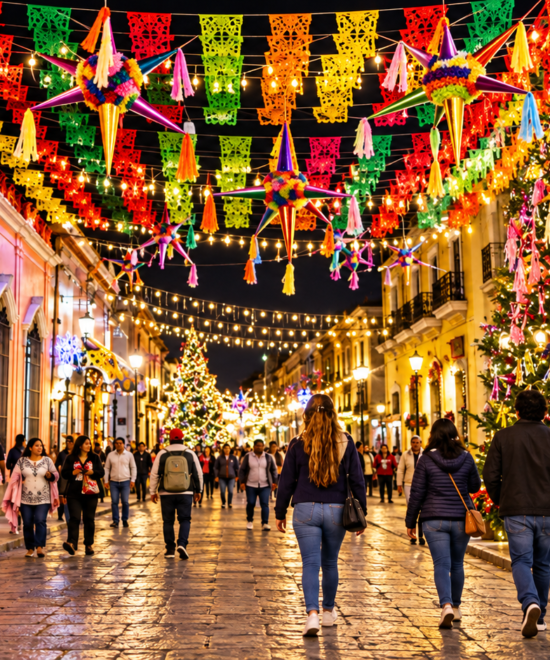
Jalatlaco is one of Oaxaca City’s most beloved neighborhoods, known for cobblestone streets, colorful murals, small cafés, and a strong local identity. During Día de Muertos, the barrio becomes especially beautiful, with papel picado, painted walls, flowers, candles, and neighborhood events around the Templo de San Matías.
Jalatlaco is a good option for travelers who want to feel close to the center while enjoying a more intimate neighborhood atmosphere. Its comparsas can still be lively and crowded, but they often feel more local than the largest downtown events.
Xochimilco
Xochimilco is one of the oldest neighborhoods in Oaxaca City. Its aqueduct, narrow streets, traditional homes, and local cemetery give it a special atmosphere during the holiday. For many visitors, Xochimilco offers a gentle balance between public celebration and family remembrance.
Neighborhood events may include family processions, children’s comparsas, bicycle-themed parades, music, and cemetery visits. As always, check the final local calendar close to your travel dates, since exact times and routes may change.
Cemeteries to visit with care and respect
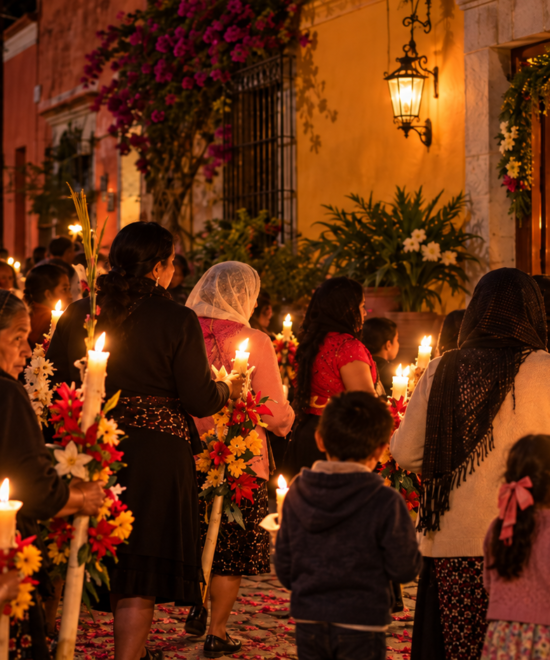
Cemeteries are the emotional center of Día de Muertos. Families clean graves, arrange flowers, light candles, bring food, play music, and spend hours beside their loved ones. Visitors are often welcome to observe, but it is essential to remember that these are active spaces of grief, faith, and family memory.
Panteón General San Miguel
The Panteón General San Miguel is one of Oaxaca City’s most historic cemeteries. During the holiday period, its candlelit niches, old funerary architecture, and central location make it one of the most atmospheric places in the city. It is a strong option for travelers who want a meaningful cemetery visit without leaving Oaxaca City.
Xoxocotlán
Santa Cruz Xoxocotlán, often called Xoxo, is famous for its cemetery vigils. Families gather through the evening and night with candles, flowers, food, music, and prayers. Because Xoxo has become very popular with visitors, respectful behavior is especially important.
Xochimilco and other local panteones
Smaller cemeteries in and around Oaxaca City can feel more intimate than the best-known sites. If you visit, go quietly, stay on marked paths, and avoid standing too close to family gatherings. A cemetery during Día de Muertos is not a stage, and travelers should never treat it like one.
- Do not touch altars, flowers, candles, photographs, or food offerings.
- Do not sit, lean, or place bags on tombs.
- Ask permission before photographing people or private graves.
- Avoid flash photography during vigils.
- Keep your voice low and your movement slow inside cemeteries.
- Do not arrive intoxicated or treat the cemetery as a party space.
Beyond the city: Central Valley traditions
San Agustín Etla and the muerteadas
The Etla Valley is known for muerteadas, all-night community processions that combine music, satire, dance, masks, costumes, and neighborhood identity. San Agustín Etla is one of the best-known places to experience this tradition, especially on the night of November 1 into November 2. It is powerful, crowded, loud, and deeply local, with brass bands, elaborate costumes, street movement, mezcal, and a festive atmosphere that can continue until sunrise.
Travelers should also know that San Agustín Etla has implemented access and crowd-control restrictions in recent years because of safety concerns, high visitor numbers, and the need to protect the community character of the celebration. Recent rules have included closing entrances to the town around 7:00 PM on November 1, suspending alcohol sales around 11:00 PM, charging fees to outside visitors who arrive in costume or face paint, and requiring permission or a fee for professional photographers and videographers. The exact 2026 rules should be confirmed directly with local authorities or organizers close to the date, but visitors should plan as if restrictions will be in place.
If you plan to attend, arrange round-trip transportation well in advance, arrive early, carry cash, and set a physical meeting point with your group before entering the community. Do not rely on cell service, since networks often fail at night during large gatherings. Avoid arriving intoxicated, respect local instructions, and remember that a muerteada is not only a spectacle for visitors, but a living neighborhood tradition.
Mitla
Mitla has a profound relationship with death and the afterlife. Its name is connected to Mictlán, the place of the dead, and the archaeological site is one of Oaxaca’s most important sacred landscapes. During Día de Muertos, Mitla may include sand tapestries, cemetery visits, processions, food, and community events.
A visit to Mitla during this season pairs well with an understanding of Oaxaca’s deeper history. The town connects contemporary family devotion with older traditions of sacred architecture, memory, and the journey of the soul.
Zaachila
Zaachila is another meaningful destination during the holiday, especially for travelers interested in tapetes de arena and local cemetery traditions. Around November 1 and 2, some streets and community spaces may be decorated with sand art and flowers. As with all valley towns, confirm local conditions and transportation before going.
What to eat during Día de Muertos in Oaxaca
Food is not just part of the celebration. It is one of the ways families continue loving the dead. The same dishes placed on altars are often shared by the living, creating a table where memory and daily life meet.
- Pan de yema: Oaxaca’s rich egg-yolk bread, often decorated during the season with small painted faces.
- Oaxacan hot chocolate: Cacao, cinnamon, and sugar whisked with a molinillo until foamy.
- Mole negro: A deep, complex sauce often prepared for important celebrations and offerings.
- Tamales: A comforting festival food, often made with mole, chicken, or regional fillings.
- Tlayudas: Large crisp tortillas with beans, quesillo, cabbage, salsa, and meats or vegetables.
- Mezcal: A ceremonial and social drink, also placed on altars for adult spirits.
The best places to feel the season are Oaxaca’s markets. Mercado de Abastos, Mercado Benito Juárez, and neighborhood markets fill with flowers, candles, fruit, sugar cane, bread, chocolate, copal, and seasonal ingredients. Go early in the day, carry small bills, and support local vendors directly.
Suggested 2026 itinerary
This sample itinerary gives travelers a balanced way to experience the celebration without rushing through sacred spaces. Final schedules should always be checked closer to the date through official Oaxaca tourism channels, neighborhood announcements, and your hotel or local guide.
| Date | Recommended plan |
|---|---|
| October 28 | Visit markets and early altar displays, then attend the Día de Muertos artisan awards ceremony at 4:00 PM at Real Alhóndiga de Antequera. Explore Jalatlaco or Xochimilco afterward. |
| October 29 | See neighborhood decorations and sand tapestry preparations. The statewide Día de Muertos artisan exhibition begins today and continues through November 4; final venue and opening hours are still pending. |
| October 30 | Spend the morning in the markets, then consider the Traditional Candiani Comparsa, currently listed for 7:00 PM in Candiani. |
| October 31 | Keep the evening flexible for the major city comparsas and a cemetery visit. The official Gran Comparsa starts at 6:00 PM on Calzada Porfirio Díaz toward García Vigil; the full street-by-street route and closures are still pending. Check before you go. |
| November 1 | Visit ofrendas by day. Current listings place the Cinco Señores comparsa at 3:00 PM, while Jalatlaco is currently reported around 8:00 PM. Choose one neighborhood rather than trying to chase multiple processions through heavy traffic. |
| November 2 | For a regional comparsa, current 2026 listings include Barrios Unidos in San Pedro Ixtlahuaca at 4:00 PM and Los Pañales in San Andrés Zautla at 4:00 PM. Or choose a calmer cemetery visit, food, galleries, and reflection in the city. |
| November 3 to 4 | Visit Mitla, Zaachila, or remaining public displays before the city returns to its usual rhythm. |
Getting around Oaxaca during the festival
Oaxaca City becomes very crowded during Día de Muertos. Streets close for parades, taxis may be limited, and short drives can take much longer than expected. The best strategy is to stay in or near the historic center, Jalatlaco, or Xochimilco, then walk whenever possible.
The BinniBus system is useful for some city routes. In 2026, the general electronic fare remains lower than the cash fare, making the card a practical option for visitors who plan to use public transportation. Always confirm current route maps and schedules before relying on the bus for late-night events.
| Passenger category | Cash fare | Electronic fare |
|---|---|---|
| General public | $10 MXN | $8 MXN |
| Students and seniors with valid ID | $5 MXN | $4 MXN |
| Persons with disabilities | Free | Free |
Where to stay
For Día de Muertos, location matters more than almost anything else. Staying in the historic center, Jalatlaco, or Xochimilco allows you to walk to many events and avoid the worst traffic. These areas also make it easier to return to your hotel late at night without depending on long-distance transportation.
| Area | Best for |
|---|---|
| Historic center | First-time visitors, easy walking, restaurants, museums, public events, and major parades. |
| Jalatlaco | A neighborhood feel, murals, cafés, intimate comparsas, and walkable access to the center. |
| Xochimilco | Historic atmosphere, local traditions, quieter streets, and access to neighborhood events. |
Book as early as possible. Día de Muertos is one of Oaxaca’s busiest seasons, and many of the best-located hotels, guesthouses, and boutique stays fill far in advance. If staying outside the center, plan transportation carefully and expect delays.
How to be a respectful visitor
Oaxaca welcomes many visitors during Día de Muertos, but the celebration belongs first to the families and communities who keep it alive. Responsible travel means moving slowly, asking permission, supporting local businesses, and remembering that many of the most beautiful moments are also private.
- Buy flowers, food, crafts, and services from local vendors.
- Learn a few basic Spanish phrases before arriving.
- Hire local guides when visiting communities outside the city.
- Do not block processions for photos or videos.
- Respect neighborhood rules, barricades, and community requests.
- Travel with patience, since crowds and delays are part of the season.
It is also important to recognize that tourism has real effects on Oaxaca. The popularity of neighborhoods such as Jalatlaco and Xochimilco has brought economic opportunity, but also rising costs and pressure on local residents. The best way to visit is with gratitude, humility, and a direct commitment to Oaxaca’s local economy.
Final thoughts
Day of the Dead 2026 in Oaxaca will be rich, crowded, beautiful, emotional, and unforgettable. It is a season of flowers and candles, but also of memory, food, music, grief, and love. Whether you spend the evening in a cemetery, follow a comparsa through the streets, visit a market before sunrise, or stand quietly before an altar, the meaning is the same: those who are remembered are still part of the family.
Come prepared, walk gently, and let Oaxaca show you why Día de Muertos is not a farewell to the dead, but a welcome home.
Your complete five-day Muertos journey—planned in one click
Open this entire October 30–November 3 itinerary inside Oaxaca Atlas. Monte Albán, Mitla, markets, cemetery vigils, neighborhood altars, comparsas, realistic travel times and rest periods are already arranged across five days. Move anything, remove anything or add discoveries of your own.
Open my free five-day Muertos itinerary →