

Drinking with the Ancestors: The Role of Mezcal in Día de Muertos in Oaxaca
Mezcal is not simply a Día de Muertos drink
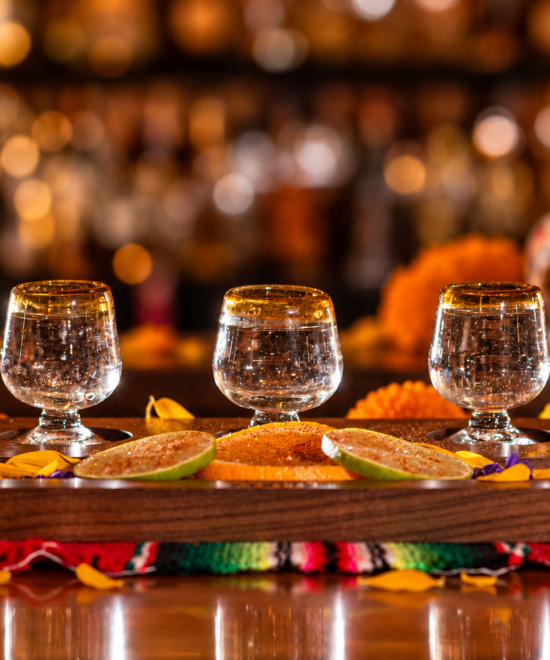
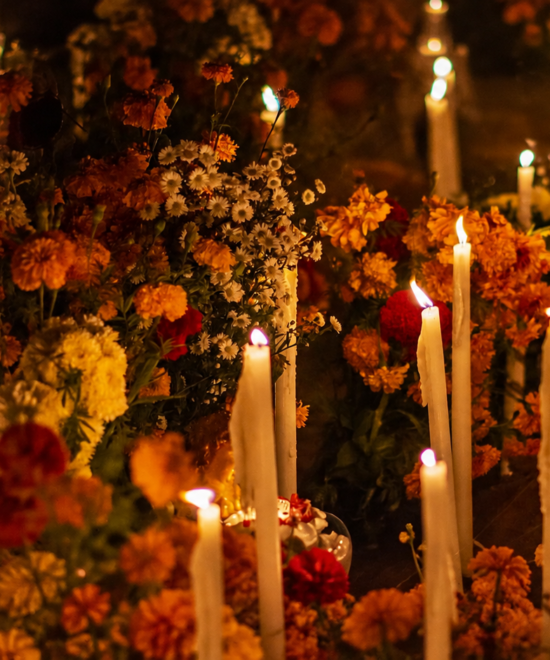
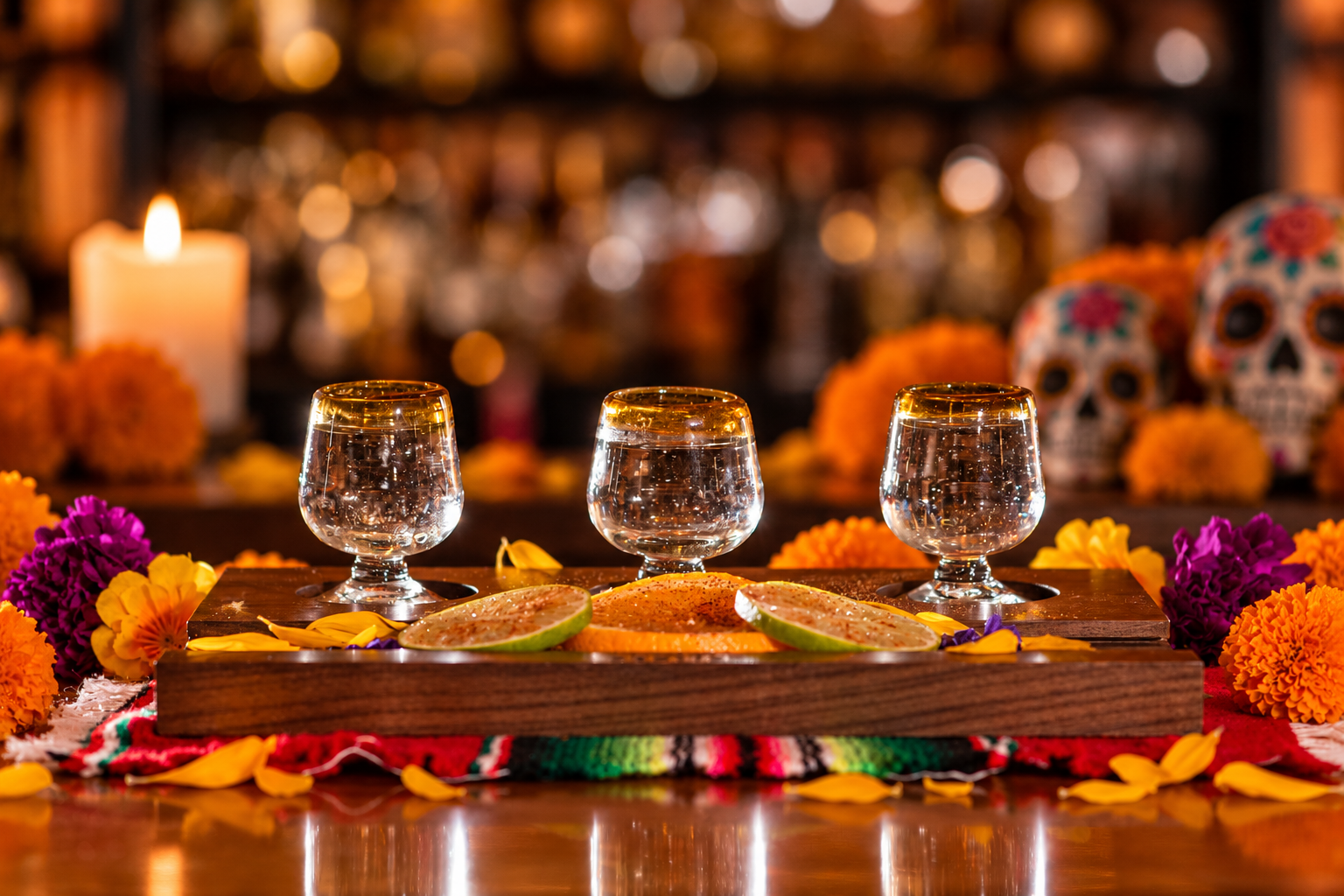
In Oaxaca, mezcal during Día de Muertos is not mainly about drinking. It can be an offering for the dead, a gesture of hospitality for the living, and part of the communal celebrations that fill the streets during the season. On an ofrenda, a small glass may sit beside mole, tamales, chocolate, fruit, bread, water, flowers, candles and photographs. Its meaning is personal. If the person being remembered enjoyed mezcal in life, then mezcal may be waiting for them when they return.
That distinction matters. There is no rule saying every Día de Muertos altar must contain mezcal. Ofrendas are built around memory. Families prepare the foods, drinks and objects associated with particular people. A bottle of mezcal therefore does not represent some generic symbol of Oaxaca. On a family altar, it can represent someone specific.
A drink placed between two worlds
The central idea of Día de Muertos is that death has not completely severed the relationship between the living and those who came before them. During the days surrounding November 1 and 2, families prepare for the temporary return of deceased relatives. Candles help illuminate the way. Flowers mark the path. Food and drink welcome the visitors after their journey.
This is why the contents of an altar can feel surprisingly familiar rather than solemn. There may be a favorite dish, a particular brand of beer, cigarettes, coffee, chocolate, fruit or a glass of mezcal. The message is simple: we remember who you were, what you enjoyed and what made you part of this family.
In that setting, mezcal becomes less about alcohol and more about recognition. A small serving can function almost like pulling out a familiar chair for someone who has been away.
Why mezcal feels especially at home in Oaxaca
Mezcal has a particularly strong connection to Oaxaca because it is deeply tied to the state's rural communities, agriculture, cooking and systems of traditional knowledge. Agave must be grown for years before harvesting. The hearts of the plants are cooked, crushed, fermented and distilled, with techniques that vary among producers and communities.
Oaxaca remains the center of Mexican mezcal production, but numbers alone do not explain its cultural importance. In many communities, knowledge about agave and distillation passes through families and generations. Mezcal appears at weddings, fiestas, community gatherings and other important moments in social life.
Día de Muertos brings that relationship with memory into particularly sharp focus. A drink produced through inherited knowledge can itself become part of remembering the people who carried knowledge, stories and family traditions before us.
The mezcal on the altar is not necessarily for you
Visitors sometimes see an elaborate public or private ofrenda and naturally focus on its visual beauty. But the food and drink have not been arranged like a buffet. Anything placed on a family altar should be treated as part of the offering unless the family tells you otherwise.
Do not pick up a glass of mezcal, move bottles for a photograph or rearrange objects. The same applies to bread, fruit, flowers, candles and personal belongings. If you are invited into a home, the family may later share food or offer you a drink. That is different. At that point you are participating in hospitality among the living rather than helping yourself to the ofrenda.
From quiet ofrendas to noisy streets
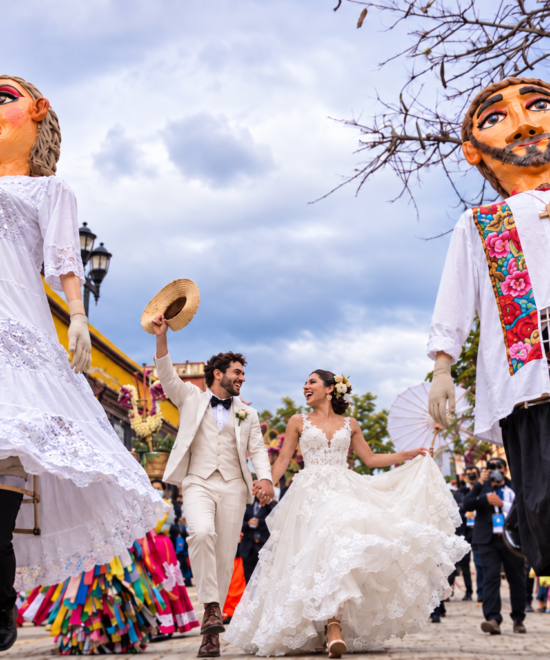
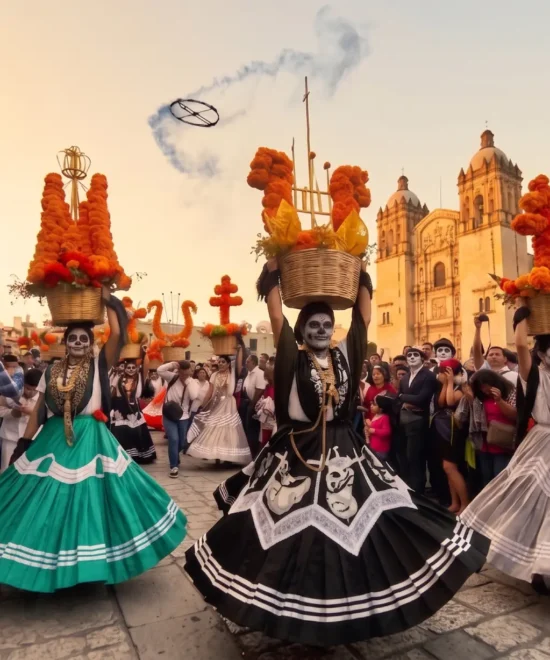
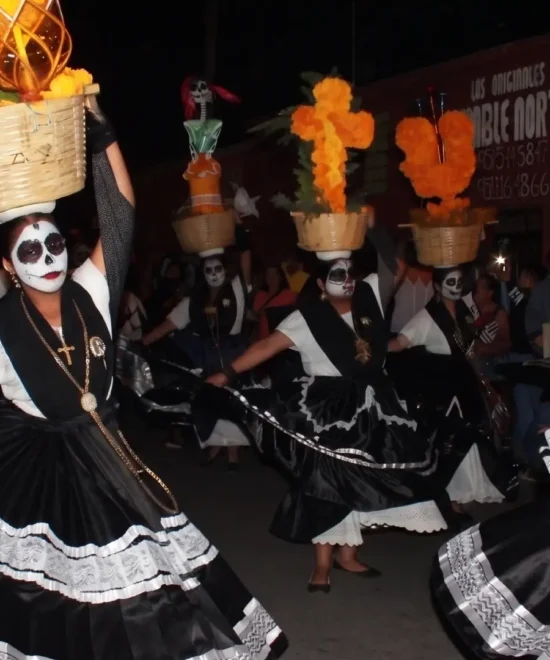
Mezcal also appears in the more public side of Oaxaca's Día de Muertos celebrations. Comparsas, neighborhood gatherings and the famous Muerteadas of the Etla Valley can continue for hours. Music plays, people dance, food circulates and drinks are sometimes shared as participants move through the night.
This creates a very different atmosphere from the quiet intimacy of a family altar or graveside vigil. Both belong to the broader season, but they should not be confused. Oaxaca's relationship with death contains room for remembrance, prayer, humor, music, satire and celebration.
A glass raised among friends during a comparsa and a glass placed beside a photograph on an altar may contain the same mezcal, but they are doing different cultural work.
Should visitors drink mezcal during Día de Muertos?
Yes, if you want to, but context matters. Oaxaca has excellent mezcalerías and many opportunities to learn about agave and traditional production. Enjoying mezcal can be part of experiencing Oaxaca during the season. It does not, however, make Día de Muertos more authentic.
If someone offers you a small serving during a community event or family gathering, receive the gesture respectfully. You do not have to finish it, and you do not have to drink alcohol at all. A polite refusal is better than treating a meaningful celebration as an excuse to become intoxicated.
This is especially important in cemeteries. Families may be spending hours beside the graves of parents, grandparents, children and partners. The atmosphere can include conversation, music and food, but it remains a place of remembrance. Arriving visibly drunk or turning a cemetery visit into a drinking excursion misses the purpose entirely.
The most meaningful glass may be the one nobody drinks
For visitors, mezcal is often presented through tastings, restaurants and bottles lined up behind a bar. Día de Muertos reveals another side of it. Sometimes the most important glass of mezcal in Oaxaca is a small one sitting untouched beneath a photograph.
It may belong to a father who always drank mezcal after dinner, a grandmother who kept a bottle for special occasions, or a friend whose absence is still deeply felt. The glass is there because someone remembers.
That is the deeper connection between mezcal and Día de Muertos. Both are tied to continuity. Both carry knowledge from one generation into another. And during these few extraordinary days in Oaxaca, a simple drink can become part of the conversation between those who are still here and those who are invited home once again.