


Día de Muertos on a Time Crunch: How to Experience the Best of Oaxaca in 48 Hours
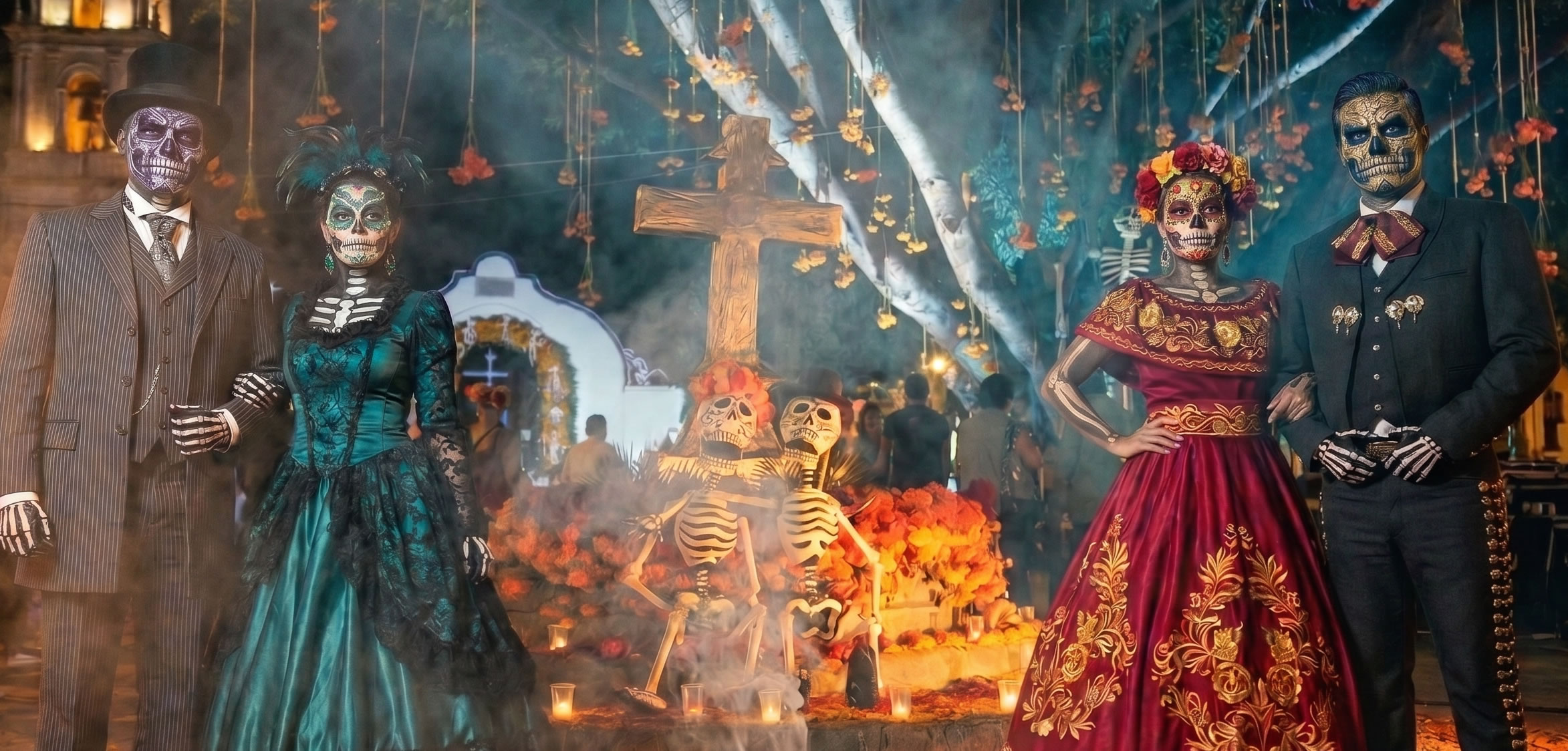
The 48-Hour Mission: November 1 and 2
You have exactly two peak days. November 1 is dedicated to the angelitos, the souls of children. November 2 honors the adult spirits. In Oaxaca these dates transform the entire city into a living ofrenda. Streets fill with the intense orange of cempasúchil marigolds, intricate sand tapestries appear overnight, costumed comparsas wind through colonial neighborhoods, and cemeteries glow with thousands of candles from dusk until dawn.
This itinerary is built for travelers who arrive with limited time but still want the full emotional and visual power of the celebration. It is fast-paced, intentionally intense, and focused on the highest-impact experiences. Expect long days on your feet, late nights, heavy crowds in the best spots, and moments of quiet beauty that stay with you for years. Move with purpose, stay respectful, and these 48 hours will feel complete.
Day 1 – November 1: Ofrendas by Day, Lights by Night
Morning and Early Afternoon (9:00 AM – 3:00 PM)
Begin in the historic center while the energy is rising but the biggest crowds have not yet arrived. The goal is to absorb the public ofrendas and the festive atmosphere before shifting to the deeper cemetery experiences later.
- Zócalo and surrounding streets – Plaza de la Constitución. Free public ofrendas, giant marigold arches, and the first wave of costumed visitors and face-painted travelers. Arrive between 9:00 and 10:00 AM for the best light and fewer people.
- Calle Macedonio Alcalá – The main pedestrian corridor running from the Zócalo toward Santo Domingo. Continuous displays of sand tapestries (tapetes de arena) and elaborate multilevel altars line the street. This is one of the most photogenic stretches in the city during these days.
- Templo de Santo Domingo – Calle Macedonio Alcalá. The atrium and surrounding spaces usually host major ofrendas. Viewing from the outside is free. If the museum is open, entry is typically 70–90 MXN.
- Markets – Mercado 20 de Noviembre or Mercado Benito Juárez. Stock up on pan de muerto, sugar skulls, chocolate, and small flowers. Budget 100–250 MXN for snacks and souvenirs. The markets are fragrant, crowded, and essential to the sensory experience.
Take time to eat a solid meal here. You will need the energy. Look for mole, tlayudas, or a simple plate of eggs and beans. Many visitors also get their faces painted near Santo Domingo or the Zócalo at this stage (100–200 MXN) so they are ready for the evening.
Late Afternoon into Evening (4:00 PM – Midnight)
This is the emotional core of the day. The light softens, candles appear, and the atmosphere shifts from festive to profound. Choose one primary cemetery and pair it with a neighborhood comparsa.
- Option A – Xoxocotlán (Xoxo) Cemetery – Approximately 8–10 km south of the center. Taxi or organized shared shuttle costs 150–300 MXN round trip. This is the most visited and visually spectacular cemetery. Families decorate graves with thick layers of cempasúchil, candles, photographs, favorite foods, and drinks. Aim to arrive before sunset (around 5:30–6:00 PM) so you can watch the transformation as darkness falls. Stay respectful: keep voices low, never step on graves, and always ask before photographing people or their ofrendas.
- Option B – Panteón General – Located closer to the historic center and easier logistically. Hours typically extend late into the evening during the festival, often until 10:00 PM or later. It offers a strong experience without leaving the city and pairs well if you prefer to stay nearby for the night events.
- Night comparsa in Jalatlaco – The colonial neighborhood of Jalatlaco, just east of the center. Processions usually begin around 8:00–9:00 PM on November 1 and often continue past midnight as November 2 begins. The narrow streets, costumes, live music, and candlelight create an unforgettable scene. Arrive early to secure a good viewing spot. Entry is free.
If energy allows, you can move between a cemetery and the Jalatlaco comparsa. Many travelers do both on this night. Keep water and a light layer with you. Temperatures drop after dark and the emotional intensity can be surprising.
Day 2 – November 2: Deeper Immersion and Farewell Energy
Morning (8:00 AM – 1:00 PM)
November 2 carries a slightly different feeling. The adult spirits are fully present, and many families continue their vigils while others begin the quieter process of farewell. Use the morning for either a calmer cemetery visit or a slower return to the public ofrendas.
- Visit a quieter cemetery such as San Felipe del Agua (taxi 100–200 MXN). It is closer and more intimate than Xoxo, with fewer large tour groups.
- Alternatively, return to Panteón General in daylight. The ofrendas are easier to see clearly and the atmosphere is often more reflective.
- Walk the Alcalá corridor once more. Many of the best public altars remain at their peak on the 2nd.
- Eat a proper Oaxacan breakfast or early lunch. Mole negro, tamales, or hot chocolate with pan de muerto are perfect. Budget 150–350 MXN per person.
Afternoon (1:00 PM – 6:00 PM)
By this point many visitors feel the cumulative effect of late nights and emotional intensity. You have two solid paths.
- Stay in the city – Continue exploring remaining ofrendas, step into a gallery or two, sit in a courtyard café, and simply absorb the atmosphere. The streets stay lively and the decorations are still fully in place.
- Quick valley escape – If you still have energy, a short trip to Teotitlán del Valle or Mitla shows how Zapotec communities mark the days. Colectivo or private driver costs roughly 300–600 MXN round trip. Look for local ofrendas or cemetery activity, but move with extra respect and limited time. This option works best if you are already familiar with the valley or traveling with a knowledgeable driver.
Evening (7:00 PM onward)
- Final comparsas or smaller neighborhood processions may still move through Jalatlaco or near the Zócalo.
- Many families begin the quieter work of accompanying the souls as they prepare to leave. The overall energy softens but remains deeply moving.
- Close the day with a reflective dinner in the Centro. Seek out restaurants offering seasonal specials built around mole, seasonal herbs, and traditional sweets.
Key Practical Details
- Costs – Most street ofrendas, sand tapestries, and comparsas are free. Cemetery visits are generally free or ask for a small community contribution (50–200 MXN in some places). Taxis, food, and face painting form the bulk of daily spending. Plan on 800–1,500 MXN per person per day including transport and meals.
- Getting around – Walking covers the Centro and Jalatlaco effectively. For Xoxocotlán or other villages, use taxis, authorized shuttles, or pre-booked tours. Demand spikes hard on these nights, so arrange return transport early when possible.
- Addresses to remember – Zócalo (Plaza de la Constitución), Calle Macedonio Alcalá, Templo de Santo Domingo, Jalatlaco neighborhood, Panteón General (Centro area), Xoxocotlán (south of the city).
- Hours – Public spaces stay active all day. Cemeteries typically open around 7:00 AM and remain open late, sometimes until midnight or beyond on November 1 and 2. Always check the latest local announcements, as hours can adjust.
- Respect rules – This is first and foremost a family and spiritual event. Move slowly inside cemeteries, keep cameras discreet, never sit or stand on graves, and support the local flower sellers and food vendors who make the atmosphere possible.
Rapid-Fire Survival Tips
- Stay in the Centro Histórico or Jalatlaco so most major events are walkable.
- Carry plenty of small bills and coins. Many vendors and drivers cannot change large notes.
- Wear broken-in, comfortable shoes. You will cover long distances on uneven stone streets and cemetery paths.
- Download offline maps before the crowds thicken. Mobile data can become unreliable.
- Hydrate constantly and eat real meals. The combination of walking, late nights, emotion, and altitude is more tiring than it first appears.
- If you prefer a guided cemetery visit, book a reputable local operator in advance. Independent visits remain completely feasible with care and awareness.
- Pack a light jacket or sweater. Evenings turn cool once the sun drops.
The Payoff
In just 48 hours you can stand among thousands of candles rising from a sea of marigolds, watch costumed dancers and musicians fill colonial streets, and feel the distinctive Oaxacan mixture of joy, memory, humor, and deep respect for those who have passed. The pace is demanding, but the reward is concentrated and powerful.
Move with intention, stay open to the emotion of the days, and treat every ofrenda and every grave as the private family space it is. These two days will not feel incomplete. They will feel full.


