
'/%3E%3Cpath%20fill='%2330c2dc'%20d='M493%20379c-14-6%2010-16%2014-16-8-1-21%203-27%203l-57-3c-7-1-12-10-10-10-3%203-37-9-27%200l9%2014c15-3%2030%208%2013%2014%203%200%2057-4%2085-2'/%3E%3Cpath%20fill='%23f9aa51'%20d='M475%20366v13q-1%207-7%207h-35q-6-1-7-7v-13q0-6%207-7h35q7%201%207%207'/%3E%3Cpath%20fill='%230c8489'%20d='M388%20335c-11%205-28-12-25-24%203-13%2028-2%2029%2014%207-2%2020%202%2025%207%209-11%2038-3%2041%2010%2011-13%2028-9%2034-3%2013-10%2033-4%2030%207-3%2012-29%2015-37%206-1%201-20%200-22%2016h-11c-3-4-2-14-1-15-11%204-29-3-34-10-7%204-25-1-29-8'/%3E%3Cpath%20fill='%23fcca3d'%20d='m419%20304-3%203c-7-4-11%208-19-2-2-3-3-10%205-16%205-3%2018-5%2019%200%203%206%207%206%204%209l4%203v9zm56%2031c-15%204-16%209-15%2012q-7-6-1-10c-9-8-10%206-8-6%201-8%2024%205%2018-15h9q-1%2015%2017%2019c0%2024%202-3-6%205-2%200-5-6-14-5'/%3E%3Cpath%20fill='%238f4620'%20d='M418%20268c-4-24%2020-46%202-44-16%201-18-2-18-2-6-7%2010-11%209-20q2%2011%205-4c2%206%204%208%205-3%205%207%2017%205%2025%2010q-3-6-10-11c-12-11%2012-9%2012-9%2033-11%2044%2012%2061%2012-17%203%2013-2%2038%2058-18-11%2012-1-7%2067%200%200-45-57-36-39-10-5-20-18-20-18-11%203-2%204-1%2020%200%200%2043%2030%2045%2036%201%206-10%204-25%207-16%202-23-20-22-10s-16%205-16%205-19-29-19-9c-39-3-20-15-20-15s10%202%208-2c-2-3-12-4-16-29m-7-66'/%3E%3Cpath%20fill='%23f9c83a'%20d='M407%20220c10%203%2015-3%2016%204%204%204-22%209-19%2014-7%203-18-10-5-16%201-5%206-3%206-3l6-8q3%207-4%209'/%3E%3Cpath%20fill='%23a8ac71'%20d='M403%20309c-15%201-19%205-23-16-18-16-8-25-7-28%201-8-12-11-15-10-1-8%2022-1%2021%209-1%209-7%2011%206%2024%205%204%203%2014%2011%2011-1%204%203%2010%207%2010m6-18c10-8-24%202-26-24-1-15%2027-22%2023-34l-5-3q1-4%207-3c19%2015-11%2027-14%2038-4%2024%2031-5%2025%2029l-3%205q-7-4-7-8m-11-54c-25%206-23-35-7-35%201%2020-15%2015%205%2015-8%200-13%2011-3%2012q1%206%205%208'/%3E%3C/svg%3E)


New Director at Museo de las Culturas de Oaxaca: Tumba 7’s Future
The appointment: Oaxaca museum news 2025 in brief
Mexico’s National Institute of Anthropology and History (INAH) announced a new director for the Museo de las Culturas de Oaxaca (inside the Ex Convento de Santo Domingo) on August 1, 2025. The designation places the institution’s extensive archaeological and historical holdings—especially the Monte Albán Tumba 7 treasures—under fresh stewardship. The museum remains one of Oaxaca’s central custodians of Mixtec and Zapotec material culture, and leadership shifts here matter because they shape conservation policy, interpretive priorities, and the pace of gallery refinements.
Who is the new director?
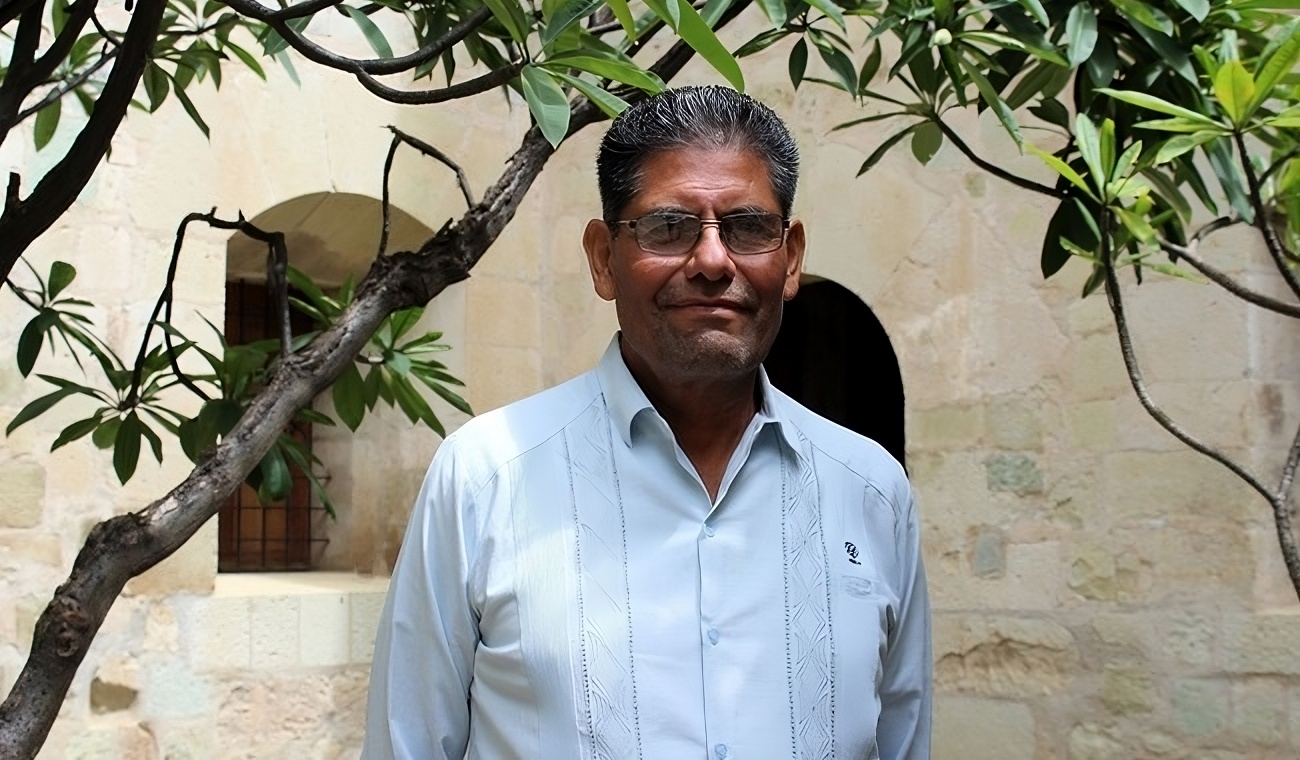
The appointee, Manuel Rufino Aguilar Martínez, is described in official notes and local coverage as a cultural heritage manager with more than four decades of public service. His trajectory includes administrative roles within Oaxaca’s cultural sector and long collaboration with INAH. That blend of institutional memory and operational experience is significant for a complex site-museum ecosystem where every display case, loan request, and preventive-conservation checklist has to run on time.
Institutional context: coordination across INAH Oaxaca
The directorship change aligns with broader summertime adjustments at the state level. In mid-July 2025, INAH designated a new head for the Centro INAH Oaxaca (the state office that coordinates archaeological zones and museums). When the state office and a flagship museum move in tandem, routine decisions—security, climate monitoring, minor rotations—tend to be smoother. For a collection as sensitive and high-value as Tumba 7, administrative harmony is not a footnote; it is a risk-reduction tool.
What it means for Monte Albán’s Tumba 7 treasures
Expect continuity in mission with incremental upgrades that are visible to the eye: lighting tuned to reveal joins and inlay without glare; cleaner, more layered label text that moves beyond “what” into “how” and “why”; and small, planned rotations that give fragile works rest without breaking the story line. The near-term impact of a new director at a museum like this usually shows up in the details of care and clarity rather than in dramatic reinstallation. For Tumba 7—gold, turquoise, shell and bone masterpieces—the quality of light, the pacing of visitors around cases, and the stability of opening hours are the changes that matter most.
Why Tumba 7 matters in Oaxaca cultural heritage
Excavated in 1932 at Monte Albán, Tumba 7 is an exceptional Mixtec funerary assemblage whose prestige objects—gold ornaments, turquoise mosaics, carved bone and shell—have become a touchstone for understanding artistry, ritual, and regional exchange in ancient Oaxaca. The collection’s power lies in its craft intelligence: minuscule channels cut for inlay, precise solder joins on gold, and iconography that threads serpents, birds, and regalia into statements of status and cosmology. In museum terms, these are high-risk, high-value objects that demand meticulous preventive conservation and transparent interpretive context.
Recent signals: operations and gallery cadence
Earlier in 2025, the museum marked International Museum Day with the reopening of rooms and a renewed public program, indicating active stewardship and a willingness to fine-tune circulation and displays. A leadership transition that emphasizes preservation, coordination, and public outreach is likely to maintain that cadence: steady room availability, clearer communication when maintenance requires temporary closures, and a measured approach to rotating sensitive materials.
What to watch next
Over the coming months, watch for small but telling changes: improved readability of case labels in low-light galleries; more consistent temperature and humidity notes in public communications; and occasional object swaps within the Tumba 7 narrative to balance conservation rest with fresh context. These are the hallmarks of a collection being managed for the long term, where each tweak is less about spectacle and more about safeguarding Oaxaca’s best-known archaeological treasures for the next generation.
Bottom line for Oaxaca museum news 2025
A new director at the Museo de las Culturas de Oaxaca is not a headline for headlines’ sake. It is a practical shift with immediate consequences for Monte Albán’s Tumba 7 treasures: consistent operations, clearer interpretation, and gentle, visible improvements where attention meets object. In a city where living culture and ancient craft share the same streets, this kind of stewardship quietly keeps the lights right on the work that matters most.