


What are Oaxaca City Crowds Like in Mid-July
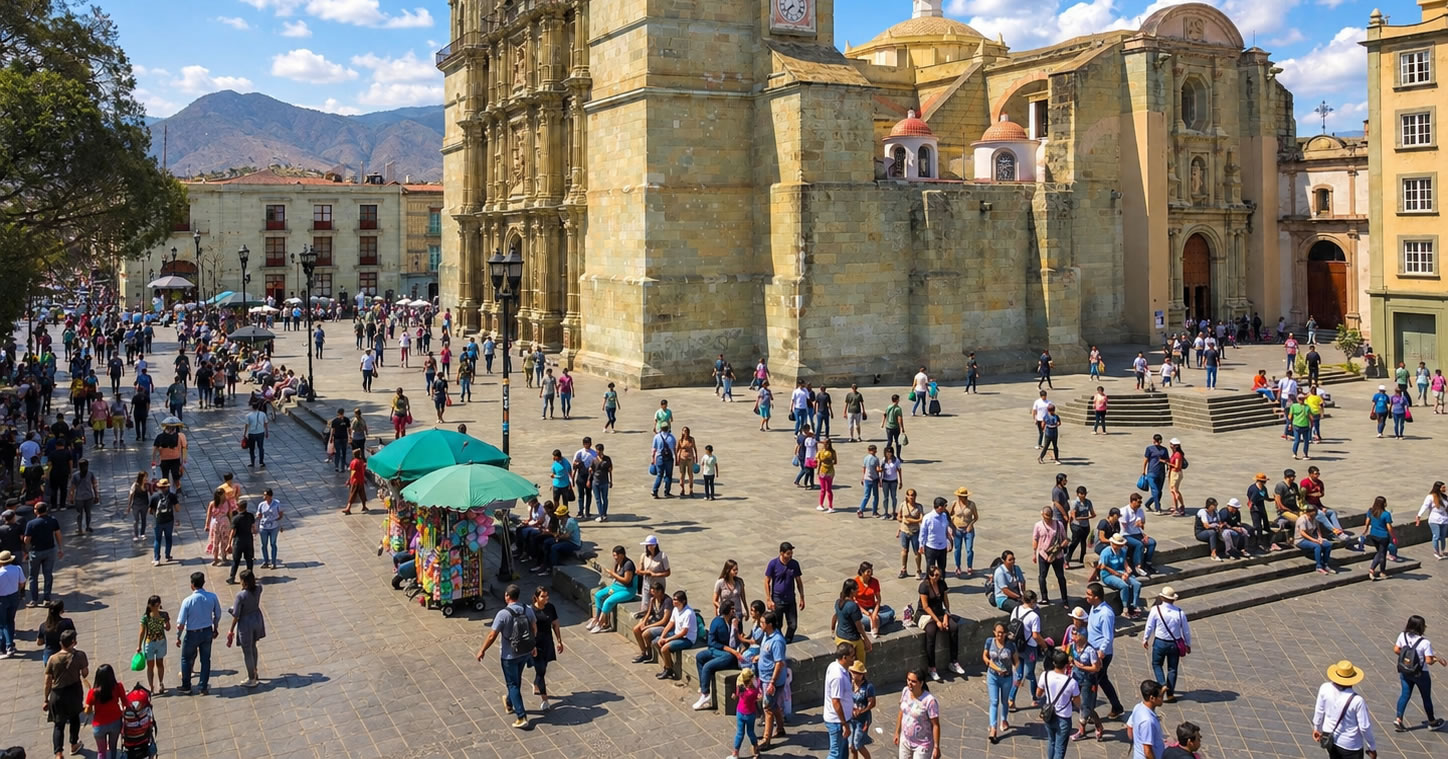
Oaxaca City experiences noticeably busier streets and attractions during mid-July, but the atmosphere stays festive and manageable for visitors who plan ahead.
The city fills with energy as the lead-up to the annual Guelaguetza celebrations begins. Streets in the Historic Center see more people, popular restaurants have longer waits, and attractions like Monte Albán experience steadier visitor flow. However, the crowds rarely feel chaotic. Instead, they create a vibrant backdrop that reflects Oaxaca’s role as a cultural hub during this exciting time of year.
Weather Patterns That Shape the Experience
Mid-July falls squarely in Oaxaca’s rainy season. Daytime temperatures typically reach 28–30°C (82–86°F), with nighttime lows around 15–18°C (59–64°F). Mornings often start clear and pleasant, making them ideal for outdoor activities. By afternoon, heavy but usually brief thunderstorms become common, cooling the air and refreshing the city.
These rains influence how crowds move. Morning hours at sites like Monte Albán tend to feel calmer before the heat and possible showers build. Afternoon downpours can temporarily clear outdoor spaces or send people into cafés and museums, creating natural breaks in foot traffic. Visitors who carry a light rain jacket and plan flexible schedules find the weather adds character rather than disruption to their trip.
Events That Bring People to the City
The main driver of increased activity in mid-July is the buildup to Guelaguetza. While the largest ticketed performances occur on the final Mondays of the month, the weeks leading up to them feature a series of colorful supporting events that draw both locals and visitors. Here are the key activities that contribute to the lively atmosphere:
- Colorful parades (calendas) — These wind through the streets with dancers, brass bands, and traditional costumes, often in the evenings.
- Donají La Leyenda performances — The theatrical folk ballet at the Auditorio Guelaguetza on the Sundays before the main events, offering an accessible introduction to Oaxacan storytelling.
- Expanded street markets and fairs — More artisan stalls, food vendors, and cultural demonstrations around the Zócalo and Santo Domingo area.
- Free community celebrations — Such as the popular event at ITO Stadium, which brings large but good-natured gatherings into the city.
These activities spread across different parts of Oaxaca rather than concentrating everything in one spot, which helps keep the overall feeling energetic without becoming unmanageable.
How Crowds Actually Feel Day to Day
In the Historic Center, sidewalks and plazas carry more foot traffic than in quieter months, particularly from late afternoon onward when evening events begin. The Zócalo and surrounding streets feel lively with music, street performers, and diners, yet movement remains comfortable for most people. Side streets and smaller plazas often stay relatively peaceful even on busier days.
At Monte Albán, mornings see a steadier stream of visitors, including organized groups. Afternoons frequently become quieter as rain moves in and some day visitors return to the city for evening activities. This natural rhythm gives travelers good windows to explore the ruins with fewer people around. Markets such as 20 de Noviembre and Benito Juárez grow busier around food stalls, adding to the festive atmosphere without creating major bottlenecks.
Overall, mid-July crowds feel celebratory and part of the season’s excitement rather than something that overshadows the experience. The city’s layout and the spread of events help distribute people across different areas and times of day.
Practical Ways to Enjoy Mid-July Smoothly
A little preparation goes a long way toward making the most of this lively period. Here are clear, actionable tips to help you navigate the season with ease:
- Book ahead for accommodations and events — Secure hotels and any paid experiences (like Donají La Leyenda) several weeks in advance for better choices and rates.
- Time your visits strategically — Head to popular sites like Monte Albán early in the morning or mid-afternoon to avoid peak windows. Use the quieter afternoon hours after rain clears.
- Use reliable transportation — Download the official TaxSí app for taxis or arrange transfers in advance to reduce waiting time during busy periods.
- Build flexibility into your plans — Allow buffer time for weather changes or event schedules. Have indoor backup options like museums or cafés ready.
- Stay comfortable and prepared — Carry water, wear comfortable shoes, and pack a light rain jacket. Explore side streets for quieter corners when main plazas feel full.
- Combine activities thoughtfully — Pair a morning at Monte Albán with an afternoon or evening in the city for a balanced and rewarding day.
How Mid-July Compares to Other Times of Year
Compared to the quieter low season months of January through March or September and October, mid-July clearly feels more active. Yet it remains far less intense than some major international destinations during peak summer. The festive spirit adds a special layer to the visit that many travelers remember fondly.
Monte Albán in particular benefits from thoughtful timing. While visitor numbers rise, the site’s spacious layout and the natural thinning of crowds in the afternoon keep the experience enjoyable. Pairing a ruins visit with the city’s cultural energy creates a well-rounded trip that captures both Oaxaca’s ancient heritage and its living traditions.
Making Mid-July Work for Your Trip
Mid-July offers a wonderful window into Oaxaca’s cultural heartbeat. The increased activity brings music, color, and a sense of shared celebration that enhances the overall visit. With simple planning around weather, event schedules, and timing at key sites like Monte Albán, travelers can enjoy the energy without feeling rushed or crowded out.
Whether you focus on the Historic Center’s lively plazas, the markets filled with local flavors, or a peaceful morning among the ancient ruins, the season rewards those who embrace its rhythm. Oaxaca in mid-July delivers a memorable mix of tradition, community, and discovery that stays with visitors long after they leave.


