

Plan Your Perfect Mezcal Tasting Trip
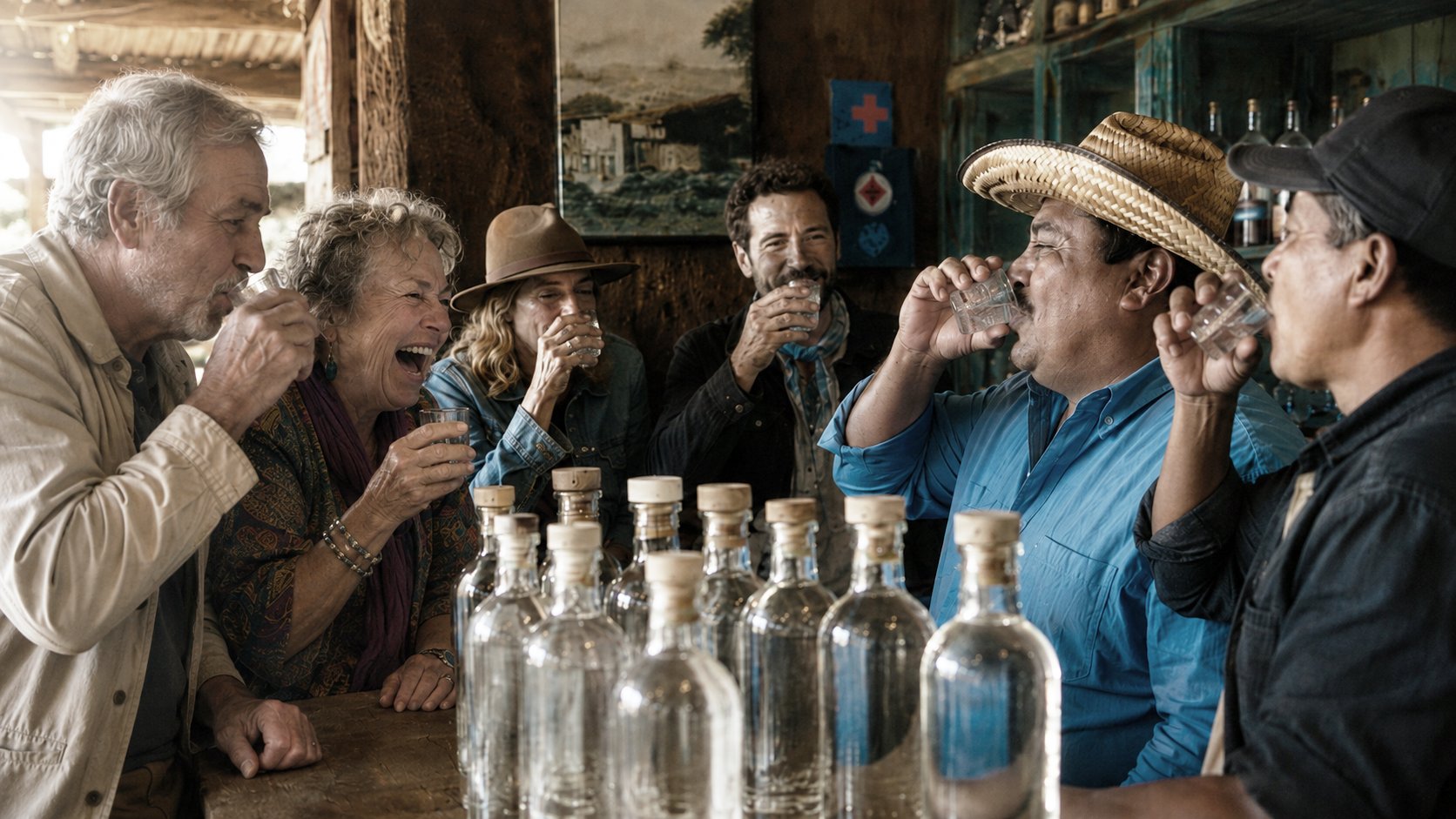
Before You Visit Matatlán
If you want to understand mezcal rather than simply drink it, Santiago Matatlán is one of the best places to spend a day. The community lies east of Oaxaca City in the Central Valleys and forms part of Oaxaca's celebrated mezcal-producing region. Agave fields, family palenques and generations of production knowledge make it possible to follow mezcal from the plant all the way to the copita in your hand.
You do not need to become a mezcal expert before you go. But understanding a few basic ideas—how mezcal is made, what artesanal and ancestral actually mean, how agave varieties differ and how to taste intelligently—will completely change the experience.
- There are three official production categories: Mezcal, Mezcal Artesanal and Mezcal Ancestral.
- Mezcal Ancestral is the more traditional category you may have heard about.
- Espadín, Tobalá, Cuishe, Madrecuishe and Tepeztate refer to agaves, not aging categories.
- Joven, reposado, añejo and madurado en vidrio describe what happens to the mezcal after distillation.
- More smoke does not automatically mean better mezcal.
- Three serious palenque visits are enough for one day.
- Do not drive yourself on a tasting route.

Your perfect Matatlán mezcal tasting day—planned in one click
Open our complete one-day Matatlán Mezcal Route inside Oaxaca Atlas. Three carefully selected palenque visits, a proper lunch stop and realistic travel time from Oaxaca City are already arranged for you. Change the timing, move the stops, add discoveries of your own or export the finished itinerary.
Open my free Matatlán Mezcal Route →Why Santiago Matatlán?
Santiago Matatlán is closely identified with mezcal production and sits along Oaxaca's well-known mezcal route. What makes it particularly useful for a tasting day is concentration: you can spend more of your time with producers and less of it crossing the state between visits.
Around the community you will find palenques operating at very different scales, from small family production spaces to larger operations with dedicated visitor and tasting areas. The point is not to collect as many stops as possible. It is to see how different producers transform essentially the same basic ingredients—agave, water, microorganisms, heat and time—into remarkably different spirits.
The ideal rhythm: two palenque visits before lunch, a proper meal and rest, and one final producer afterward. More stops may look impressive on an itinerary, but your palate will tell you otherwise.
How Mezcal Gets from Agave to Your Glass
The biggest advantage of visiting a working palenque is that mezcal stops being an abstract drink in a bottle. You can see the production process taking place around you.
- Harvest: Mature agaves are cut and their pencas removed, leaving the dense heart generally called the piña.
- Cooking: The agave hearts are cooked so their stored carbohydrates can be converted into fermentable sugars. Traditional producers commonly use an earthen oven heated with stones.
- Milling: The cooked agave is crushed. Depending on the production category, this may involve mallets, a tahona stone or other permitted equipment.
- Fermentation: The crushed agave and its juices ferment, often in wooden vats or other rustic vessels.
- Distillation: The fermented liquid is distilled, commonly more than once, using copper or clay equipment depending on the method.
The sequence sounds simple. The possibilities are not. Agave maturity, water, local microorganisms, fermentation time, weather, still design and the mezcalero's decisions can all change what eventually reaches your glass.
Mezcal Artesanal vs. Mezcal Ancestral
This is probably the most useful distinction to understand before your first palenque visit. Under Mexico's NOM-070, certified mezcal is divided into three production categories: Mezcal, Mezcal Artesanal and Mezcal Ancestral. These categories describe how the spirit may be produced. They do not describe the agave variety or how long the finished spirit has been aged.
Mezcal Artesanal
Mezcal Artesanal preserves traditional production while allowing a broader range of equipment. Agave can be cooked in pit ovens or certain masonry ovens. Milling may involve a tahona, mallets or other permitted equipment. Fermentation occurs in approved rustic vessels, while distillation uses copper stills.
Mezcal Ancestral
Mezcal Ancestral follows a narrower group of permitted methods. Agave is cooked in pit ovens, milling relies on traditional methods such as mallets or stone mills, fermentation takes place in rustic vessels and distillation is performed over direct heat in clay-pot stills.
Ancestral does not automatically mean better. It tells you how a mezcal was made. An outstanding producer working with copper can make an extraordinary Mezcal Artesanal, while an ancestral production method by itself does not guarantee an exceptional spirit.
The Agaves Worth Recognizing
Mezcal can be made from many types of maguey. Oaxaca's extraordinary agave diversity is one reason the spirit can vary so dramatically from one producer and community to another. You do not need to memorize dozens of botanical names, but a few are worth recognizing.
- Espadín: Usually associated with Agave angustifolia. It is the most familiar starting point for Oaxacan mezcal and an excellent reference for comparing producers. Common does not mean inferior.
- Tobalá: Commonly associated in Oaxaca with Agave potatorum. It has become highly sought after, but do not assume every Tobalá was harvested from a wild population.
- Cuishe: Frequently associated with the Agave karwinskii group and one of Oaxaca's distinctive tall, trunk-forming agaves.
- Madrecuishe: Another local name associated with the broader karwinskii family. Naming conventions can vary between communities.
- Tepeztate: Commonly associated with Agave marmorata and frequently encountered as visitors begin exploring mezcal beyond Espadín.
- Ensamble: Not an agave species. It means more than one type of agave was used in the same production.
Avoid rigid tasting charts that tell you one agave must taste fruity and another must taste earthy. Agave matters, but so do soil, climate, maturity, fermentation, water, distillation and the person making the mezcal.
Joven, Reposado, Añejo and Madurado en Vidrio
Now separate the agave from the mezcal's class. This describes what happens to the spirit after distillation or whether other ingredients enter the process.
- Blanco or Joven: Mezcal presented without a subsequent maturation process.
- Reposado: Rested in wooden containers for between 2 and 12 months.
- Añejo: Aged for more than 12 months in wooden containers smaller than 1,000 liters.
- Madurado en Vidrio: Matured in glass for more than 12 months under controlled conditions.
- Abocado con: Ingredients are added directly to introduce additional flavors.
- Destilado con: Ingredients are incorporated during distillation, as occurs with certain traditional pechuga expressions.
For your first serious tasting trip, spend most of your attention on joven mezcal. Barrel aging can certainly produce delicious spirits, but wood introduces another variable. Joven expressions make it easier to compare the agave, fermentation, distillation and producer from one palenque to the next.
What Actually Makes a Good Mezcal?
There is no single flavor that proves quality. One of the easiest mistakes for newcomers is assuming that the smokiest mezcal must be the most authentic. Traditional pit cooking can contribute smoke, but a compelling mezcal may also reveal cooked agave, fruit, herbs, minerals, earth, spice and fermentation aromas.
Instead of searching for one supposedly correct flavor, pay attention to the bigger picture:
- Balance: Alcohol can be powerful without completely overwhelming the aroma and flavor.
- Depth: A good mezcal often changes as it sits rather than delivering one flat note.
- Clean production: Rustic and careless are not the same thing.
- Mature agave: Quality begins with the raw material long before fermentation starts.
- Transparency: The producer should be able to explain who made it, where it was produced, what agave was used and how it was made.
- Traceability: Batch, agave, producer, alcohol percentage and production information tell you far more than an expensive bottle design.
You may also see a mezcalero create perlas—bubbles formed when the mezcal is poured or agitated. This is a traditional way of estimating alcohol strength within a useful range. It is fascinating to see, but the bubbles themselves are not a magic test of quality.
How to Taste Mezcal at a Palenque
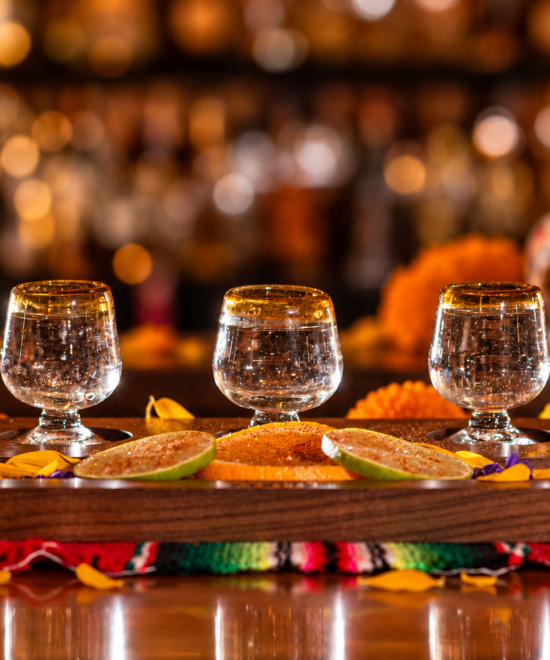
A palenque tasting is not a shot-taking contest. Small pours are enough. Smell the mezcal first, take a very small initial sip and give your palate a moment to adjust before tasting it again.
- Begin with an Espadín when possible so you have a useful baseline.
- Compare a few expressions carefully instead of attempting to taste everything available.
- Ask who made the mezcal and where the agave came from.
- Ask whether the agave was cultivated, semi-wild or wild harvested.
- Ask how it was cooked, milled, fermented and distilled.
- Drink water throughout the day.
- Eat a proper lunch.
- Do not feel obligated to finish every pour.
Taste the mezcal neat before immediately reaching for orange, sal de gusano or another strong accompaniment. Those can be enjoyable, but they can also cover exactly the subtle differences you traveled to Matatlán to discover.
How Many Palenques Should You Visit?
For a one-day route, three palenques is the sweet spot. Visit two during the first part of the day, stop for a substantial lunch and finish with a third producer afterward.
Five or six distilleries may sound efficient on paper, but by the fourth tasting your palate is tired and the visits begin blending together. This trip should be about understanding mezcal, not setting a record.
Reservations are also worth arranging in advance. Some palenques are working production spaces rather than conventional walk-in attractions. Production schedules change, batches come and go and the person you hope to meet may not always be available.
Most importantly, arrange transportation. Even when individual pours are small, driving and a full day of tastings do not belong together.
Your Matatlán mezcal day is already waiting
Open the complete route inside Oaxaca Atlas with three palenque visits, lunch and realistic travel time already organized. Then personalize the schedule, add your own stops and make the day yours.
Open my free Mezcal Route →One Last Piece of Advice
Do not spend the day chasing the rarest agave, the highest alcohol percentage or the most expensive bottle. Talk to the people making the mezcal. Ask what is fermenting today. Look inside the oven. Smell the cooked agave. Compare two batches. Ask what the family drinks themselves.
That is where a Matatlán mezcal trip becomes something more interesting than a tasting tour. You begin to understand mezcal as agriculture, craft, family knowledge and place—not simply as another spirit behind a bar.
Prefer to Explore Matatlán with a Private Guide?
You can absolutely plan this route yourself, but a mezcal day is one of those experiences where having a knowledgeable local guide and driver can make the day much easier. You can concentrate on the palenques, the mezcal and the people who make it instead of watching the clock, arranging transportation or worrying about driving after several tastings.
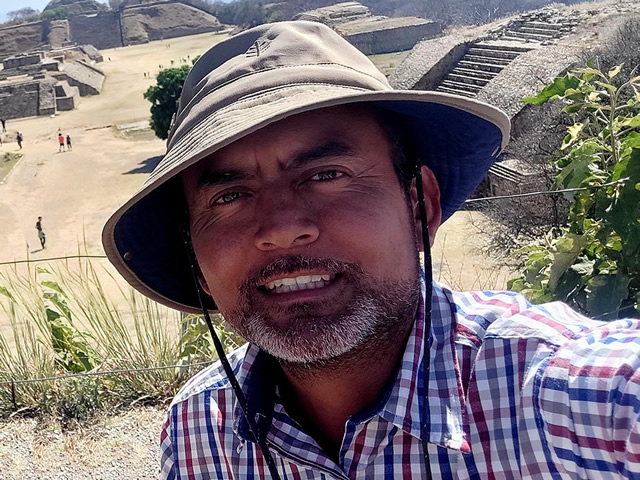
Luis Ramírez is the private guide we recommend for this route. He offers private transportation and personalized tours from Oaxaca City and can organize a Matatlán mezcal day around the kind of experience you are looking for.
Contact Luis Ramírez →