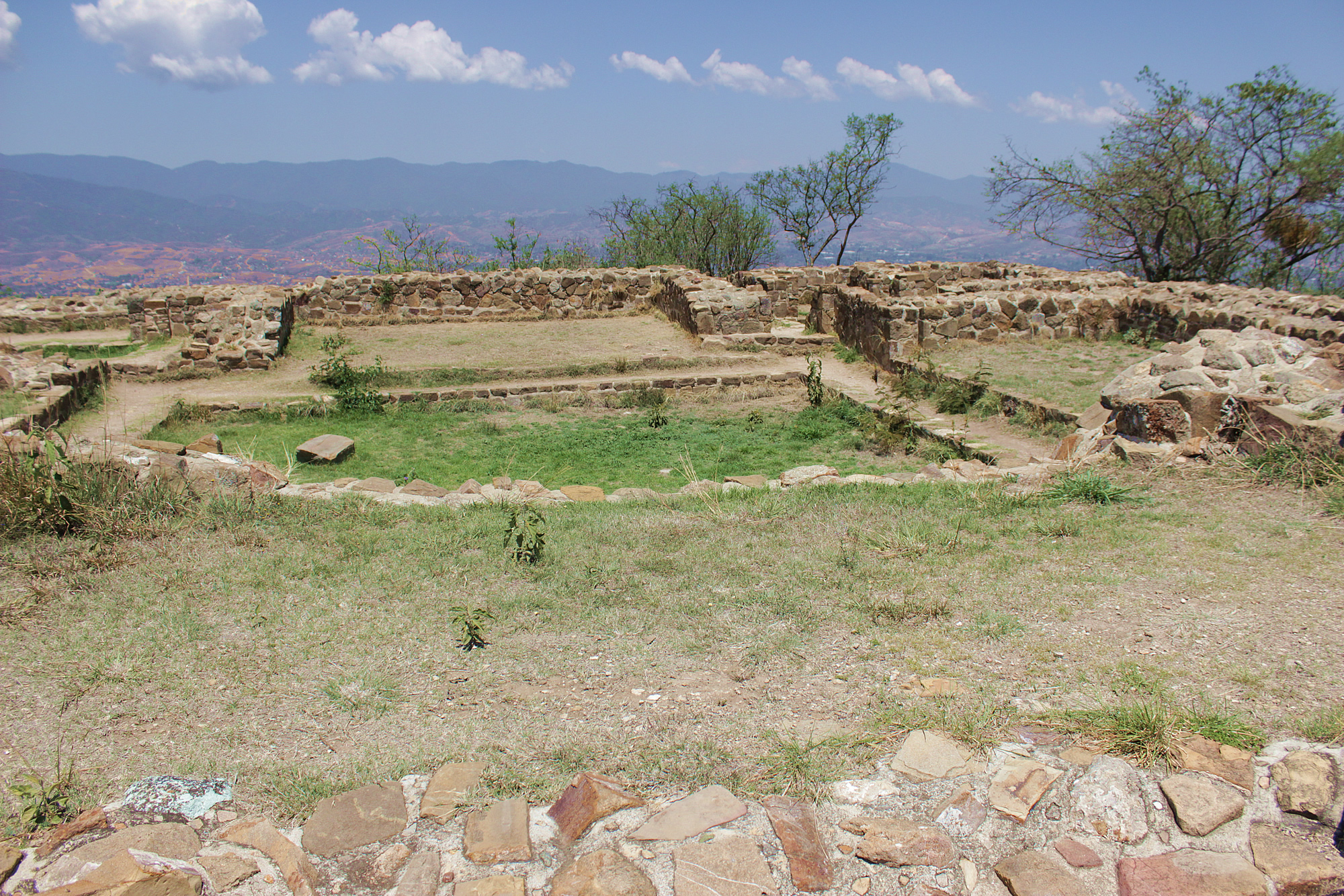
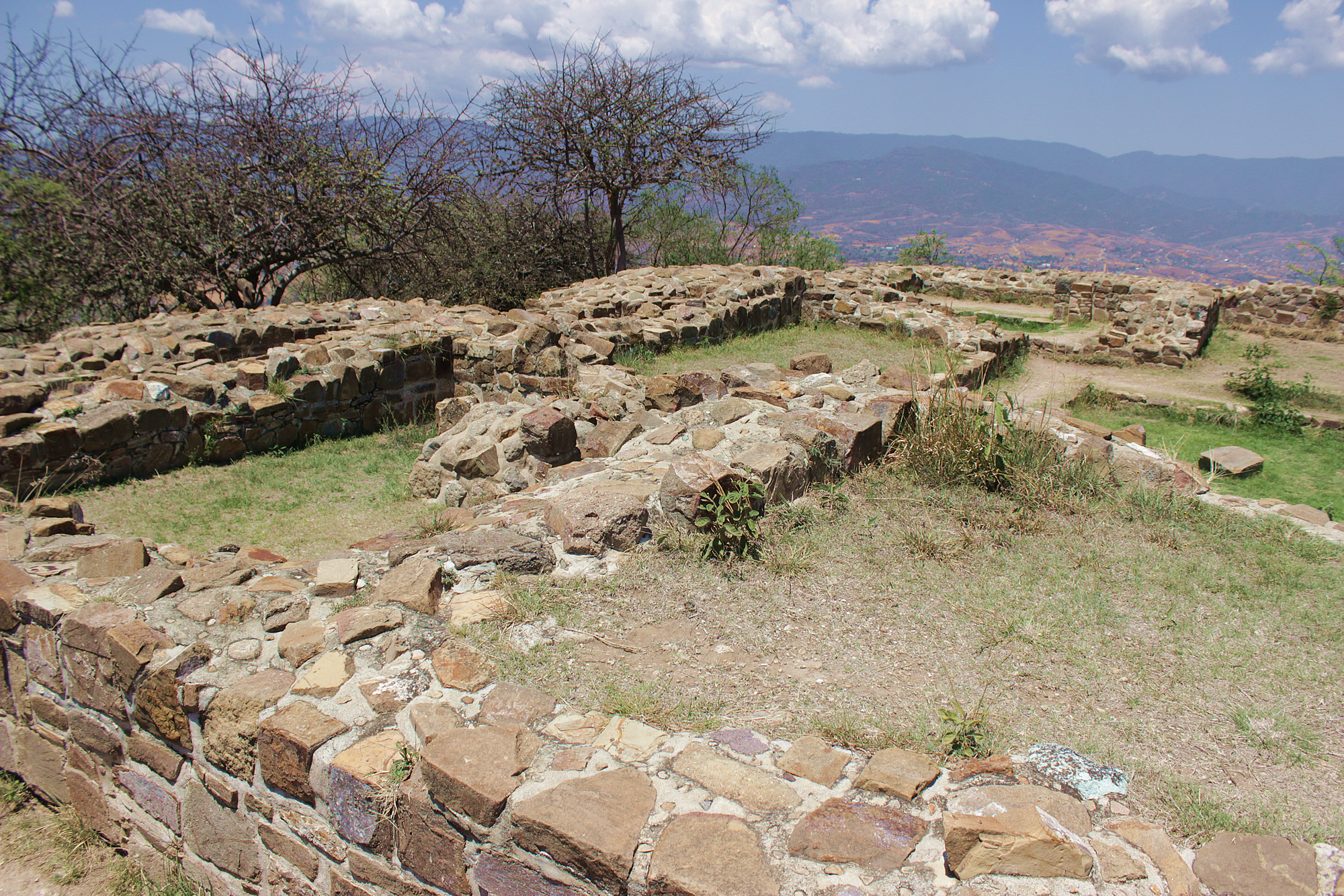
Tomb 108 is a diagnostic funerary context of the Monte Albán IIIA period, specifically the Pitao Phase (c. 200–500 CE). Situated NW of the North Palaces and Tomb 104, the tomb served as an elite repository for ancestors belonging to the city's highest-ranking lineage or priestly class inhabiting the northern residential sector. While smaller in scale than the "Sistine Chapels" of Tombs 104 and 105, Tomb 108 is archaeologically paramount for its ajuar (funerary trousseau), which provides the standard for IIIA ceramic technology and iconographic semiotics.13
Historical Trajectory and Discovery
The systematic investigation of Tomb 108 was part of the transformative mid-20th-century exploration led by Alfonso Caso, Ignacio Bernal, and Jorge Acosta. Utilizing rigorous stratigraphic methods developed during the early seasons of the 1930s, Caso identified the chamber as a critical context for refining the Zapotec ceramic sequence. Unlike the spectacular Mixtec reuse of Tomb 7, Tomb 108 represents a "pure" Pitao Phase context, allowing for a precise analysis of Zapotec statecraft and belief systems during the city's urban peak.510Architectural Design and Placement
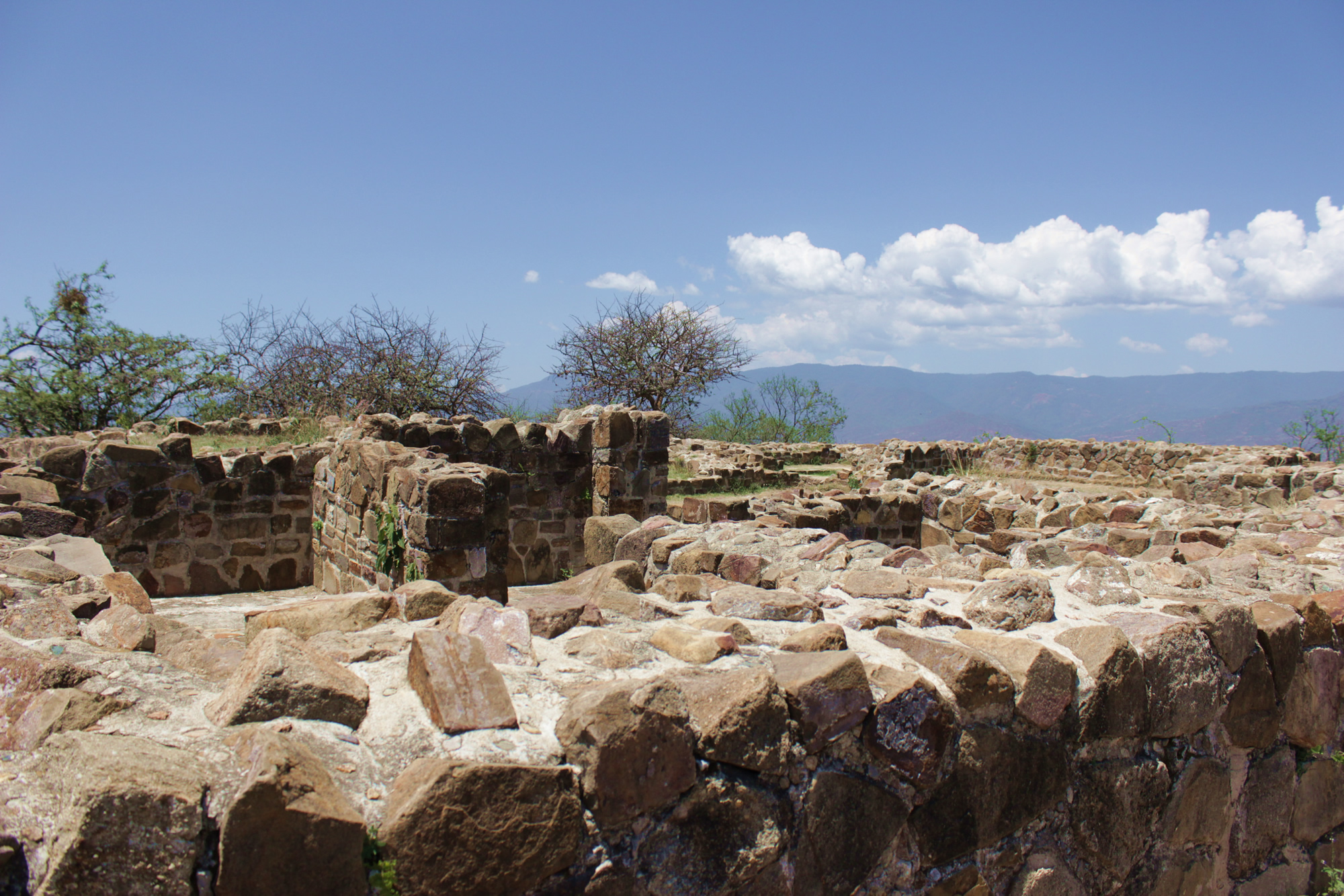
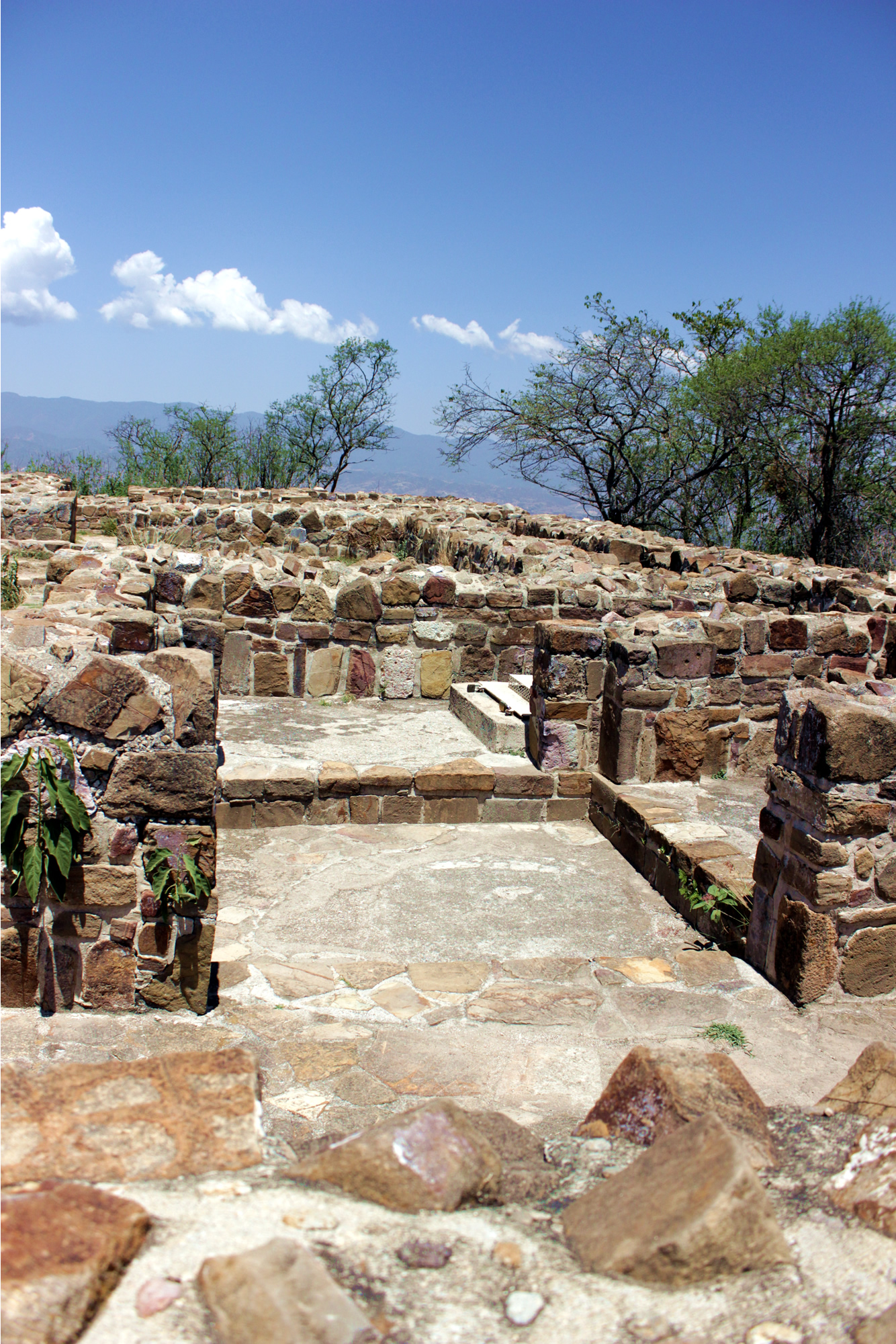
Tomb 108 reflects the Zapotec mastery of subterranean masonry, integrated into the residential topography of the city's northern slopes. The tomb's construction utilized local limestone and cantera stone, meticulously finished with white lime stucco.Key Architectural Features
- Residential Anchorage: Surgically positioned NW of the North Palaces, the tomb anchored living descendants to their physical and spiritual heritage, ensuring the status of the lineage remained rooted in the city's elite residential clusters.9
- Masonry Standards: Use of stone lintels and massive thresholds to support the weight of the structures above.
- Aesthetic Motifs: Elements of the double-scapular tablero (talud-tablero) were frequently employed in facade decoration, signaling high social standing.1
The Ajuar: Figurines and Iconography
The most diagnostic data from Tomb 108 resides in its pair of anthropomorphic figurines, which represent the pinnacle of Period III ceramic production.Semiotic Attributes of the Figurines
- The Xillaquéza Headdress: A fan-shaped arrangement decorated with complex geometric spirals and circular designs, identifying the occupant's social standing.3
- Glyph C Variant: An abstract central motif associated with water, lightning, and the vital force of Pitao Cocijo.
- Physiological Status Markers: Clear evidence of dental mutilation in a "T" shape pattern, a lifelong marker of Zapotec nobility.3
Ritual Acoustics: The Bird-Human Ocarina
A standout find within the chamber is a ceramic musical instrument: a globular whistle or ocarina.- Morphology: The object depicts a bird's body with a human head, connected by a thick, short neck.
- Technique: Wings added via pastillaje (manual application of clay strips) before firing.7
- Symbolism: In Zapotec cosmology, the bird functioned as a psychopomp—an intermediary between the earthly realm and the supernatural. The sounds produced likely mimicked birdsong, "opening" communication channels between the lineage and deified ancestors.7
Comparative Context and Modern Discoveries
The significance of Tomb 108 is amplified when analyzed alongside broader Zapotec funerary traditions.- Tombs 104 & 105: While Tomb 108 lacks monumental mural programs, its portable figurines wear regalia identical to the painted figures in these "Sistine Chapel" contexts.10
- Tomb 10 of Huitzo (2026 Discovery): A modern parallel found at Cerro de la Cantera. The Huitzo tomb also utilizes the bird-human/owl head motif, proving that the status markers developed at Monte Albán (like those in 108) were shared by regional lords across the valley.1112
Visiting and Research Notes
- Context: Most artifacts from Tomb 108 are housed within the Museo de Sitio de Monte Albán or the National Museum of Anthropology in CDMX.
- Key Symbol: Look for Glyph C in the headdresses—it is the signature of the Pitao Phase elite.
- Concept: Zapotecs viewed the tomb as Lyobaa ("Place of Rest"). It was a "living" theater of memory periodically reopened for new family members.10
Scholarly References
- Marcus, Joyce, & Flannery, Kent V. (1996). Zapotec Civilization. Thames & Hudson.
- Caso, A., Bernal, I., & Acosta, J. (1967). La cerámica de Monte Albán. Memorias del INAH.
- López Zárate, José Leonardo. "La diferenciación social zapoteca a través de las figurillas y silbatos." Thesis (Licenciatura), ENAH. Academia.edu.
- Urcid, Javier. Zapotec Writing: Ancient Kingship and Ritual. University of Utah Press.
- Monte Albán Heritage Center. "Alfonso Caso: The Archaeologist of Monte Albán," 2026.
- Arqueología Mexicana. "Una ofrenda musical en Monte Albán." No. 194, 2025.
- Sánchez Santiago, Gonzalo. Aerófonos Zapotecos. Escuela Nacional de Música–UNAM. See also: UNAM, El imaginario de los sonidos: Aerófonos figurativos de barro. DGB UNAM.
- Bernal del Castillo, Ignacio (1949). "La cerámica grabada de Monte Albán." Anales del Instituto Nacional de Antropología e Historia, 6(3), 59–77.
- INAH Places. "Monte Albán: Archaeological Zone."
- Caso, Alfonso (1938). Exploraciones en Oaxaca, quinta y sexta temporadas. IPGH.
- Smithsonian Magazine. "This Carved, Painted Zapotec Tomb Is Mexico's Most Important Archaeological Discovery in a Decade," 2026.
- MAPSA Archive. Comparative Analysis: Tomb 108 and Tomb 10 (Huitzo), Document ID: MA-T108-H10-2026.
- Indian Defence Review. "Buried for 1,400 Years: Murals and Symbols Never Seen Before," 2026.