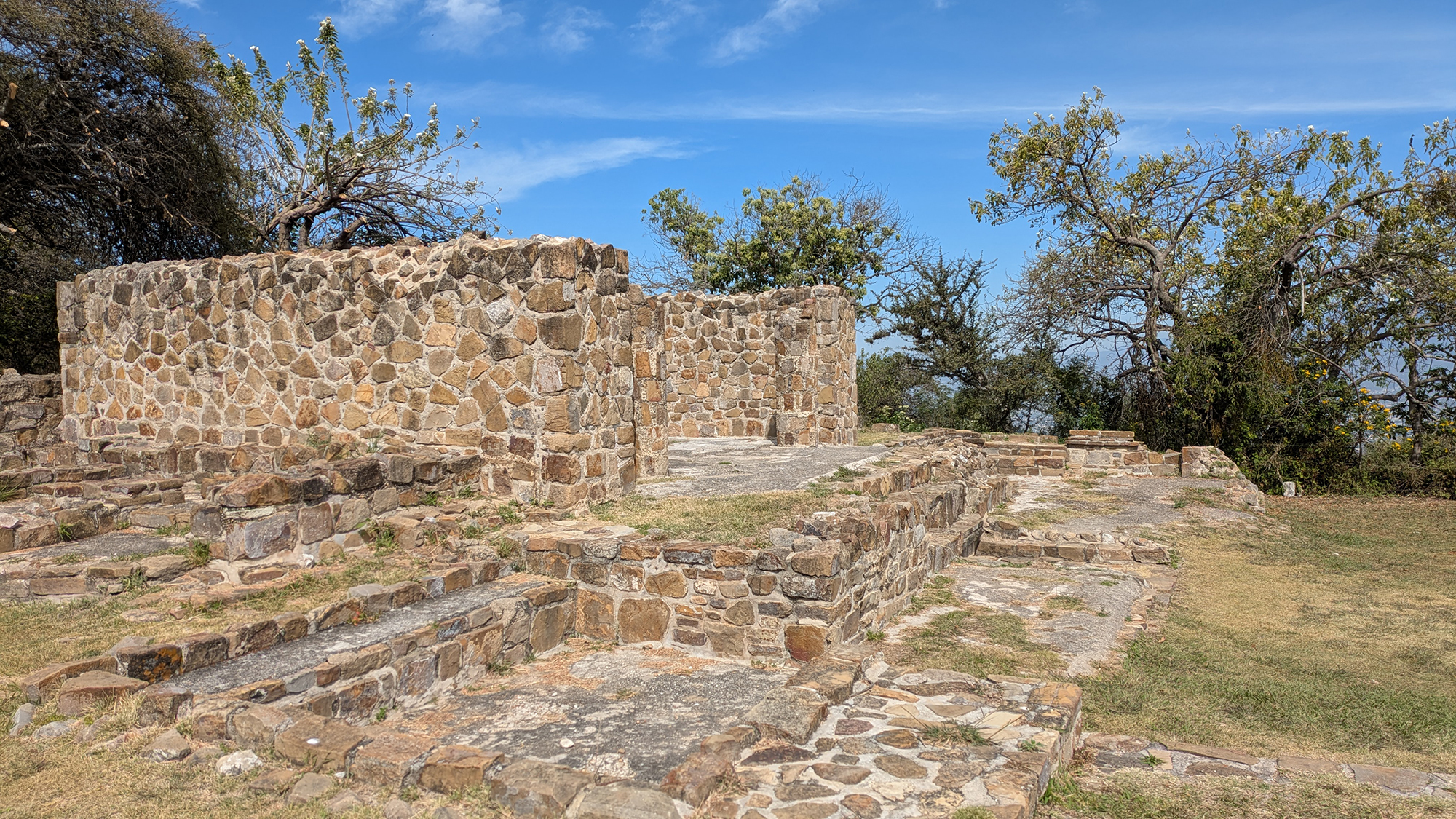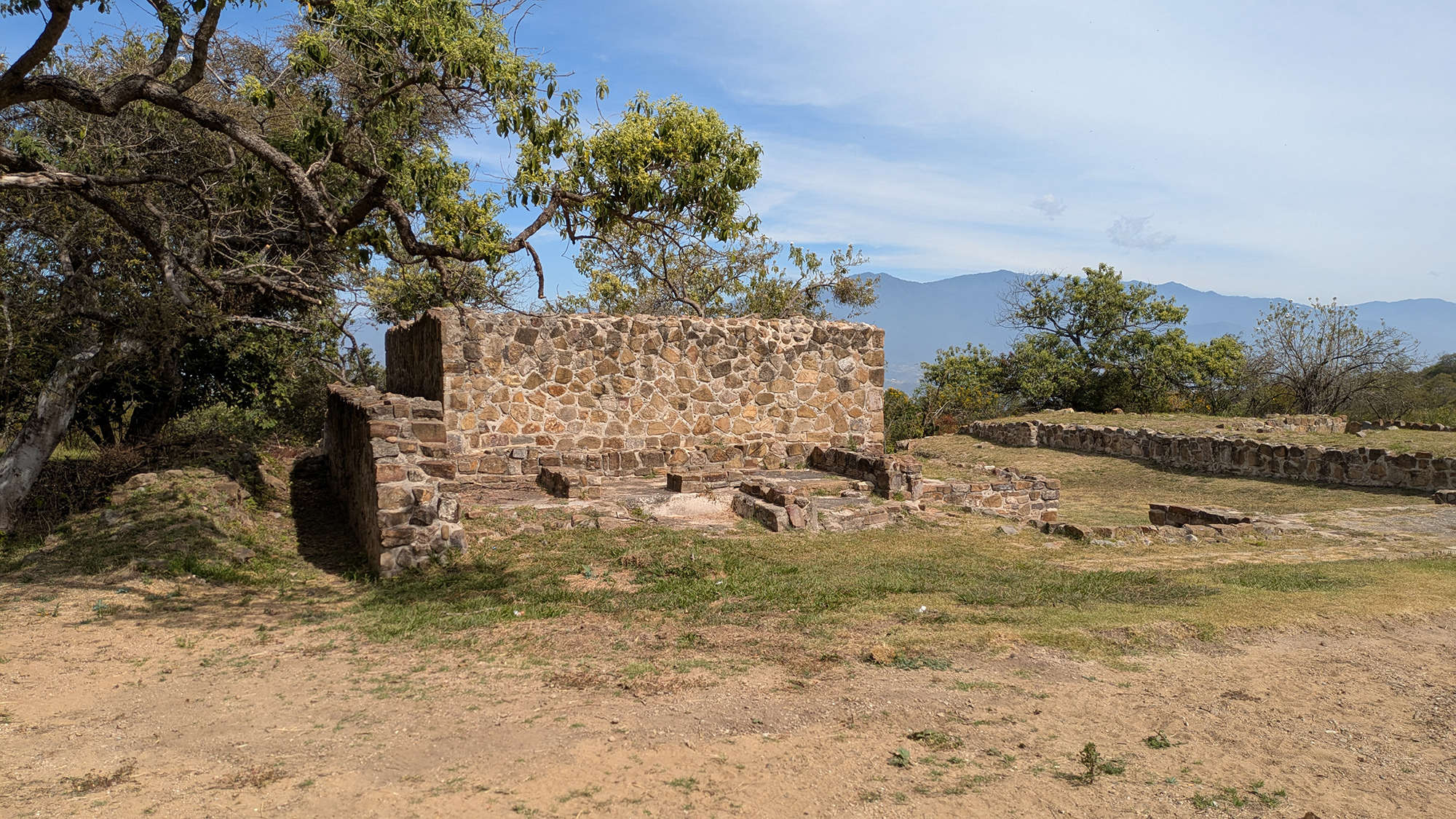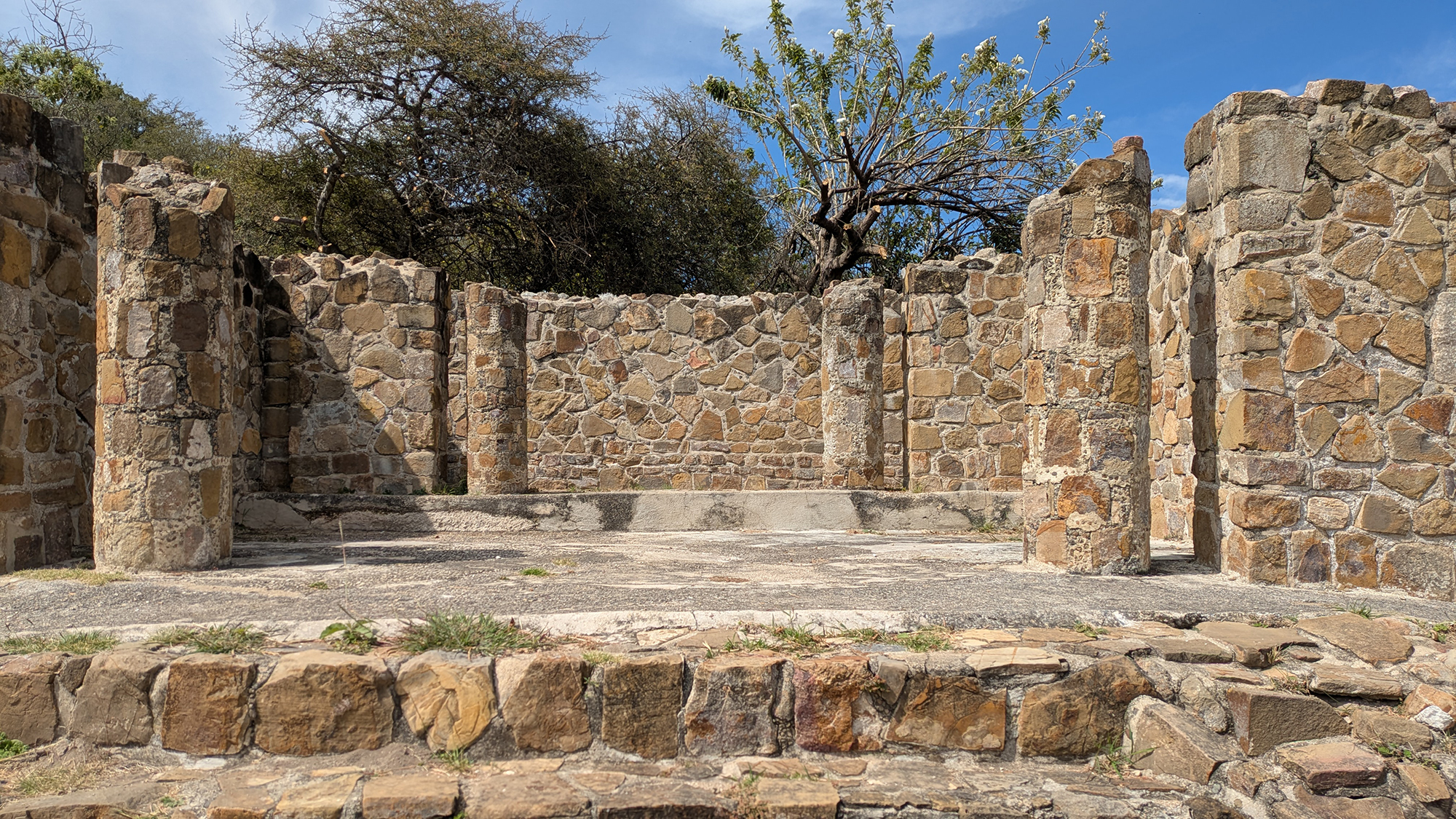


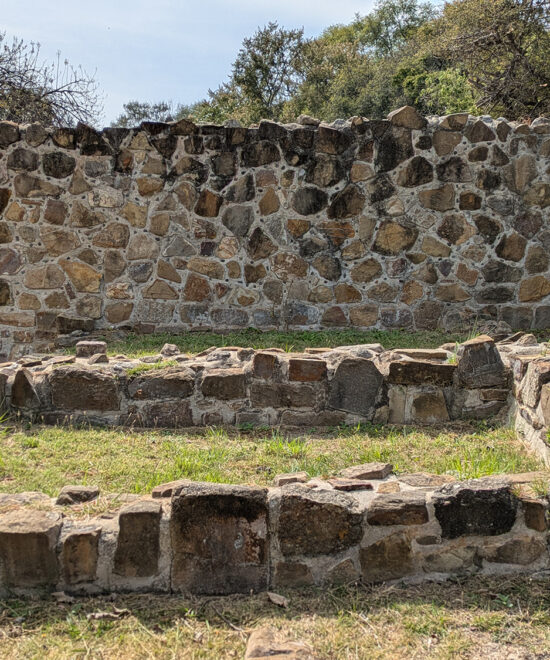
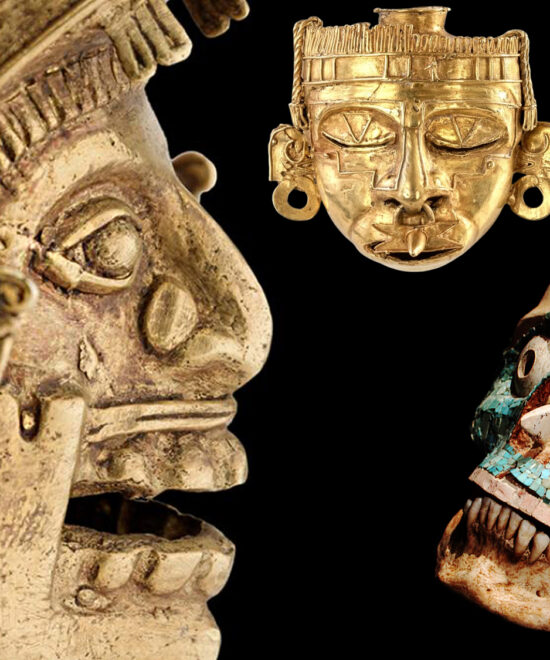
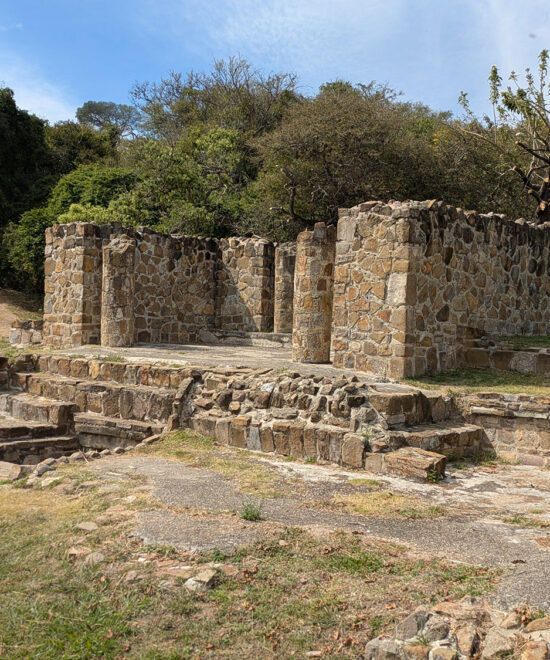
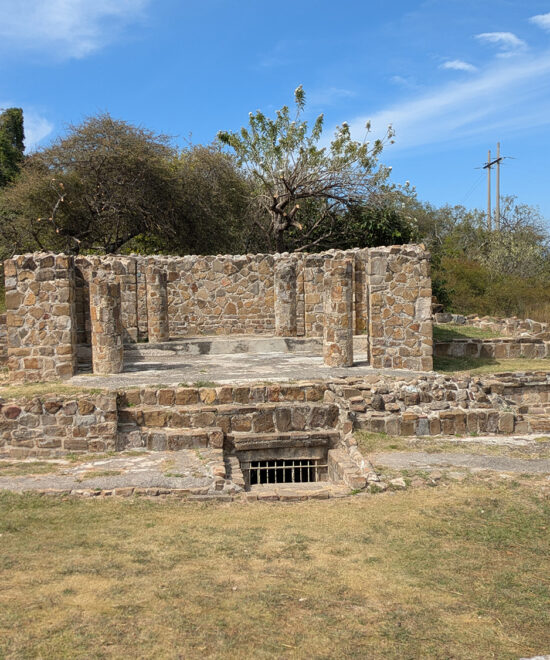
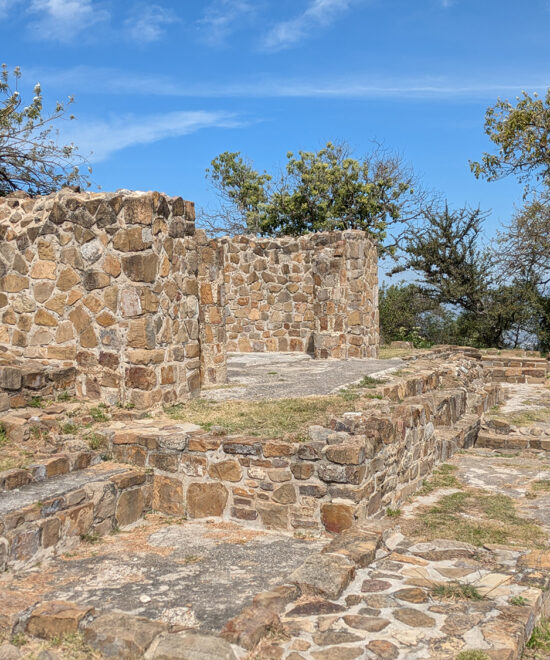

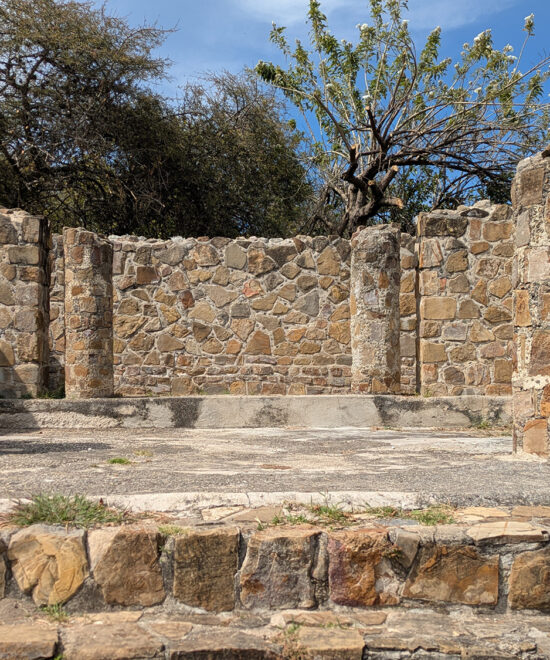
Tomb 7 represents the most complex instance of secondary mortuary appropriation in the Zapotec axis mundi. Originally a Classic-period Zapotec lithic structure, it was reactivated during the Postclassic as a specialized shrine-repository for Mixtec elite interment. The 1932 discovery by Alfonso Caso revealed an unparalleled assemblage of over 500 artifacts, positioning the structure not merely as a "treasure tomb," but as a critical node for analyzing the intersection of synoecism, ancestral veneration, and the persistence of sacred geography long after the collapse of the primary Zapotec state.¹
Historiography of the 1932 Discovery
The scientific excavation of Tomb 7 occurred during the inaugural season of the Monte Albán Project (January 1932), spearheaded by Alfonso Caso, Jorge R. Acosta, and Ignacio Bernal. While clearing debris from a mound north of the Main Plaza on January 6, the team breached the roof of a masonry structure that—unlike contemporary Zapotec tombs—had remained undisturbed by ancient looters. The recovery of the "Treasure of Monte Albán" created an immediate international sensation, elevating the site into the first rank of American archaeological scholarship.⁴ This discovery significantly secured future institutional funding and prestige for Oaxacan archaeology, effectively transforming the research potential of the entire valley.⁶Geospatial and Architectural Logistics
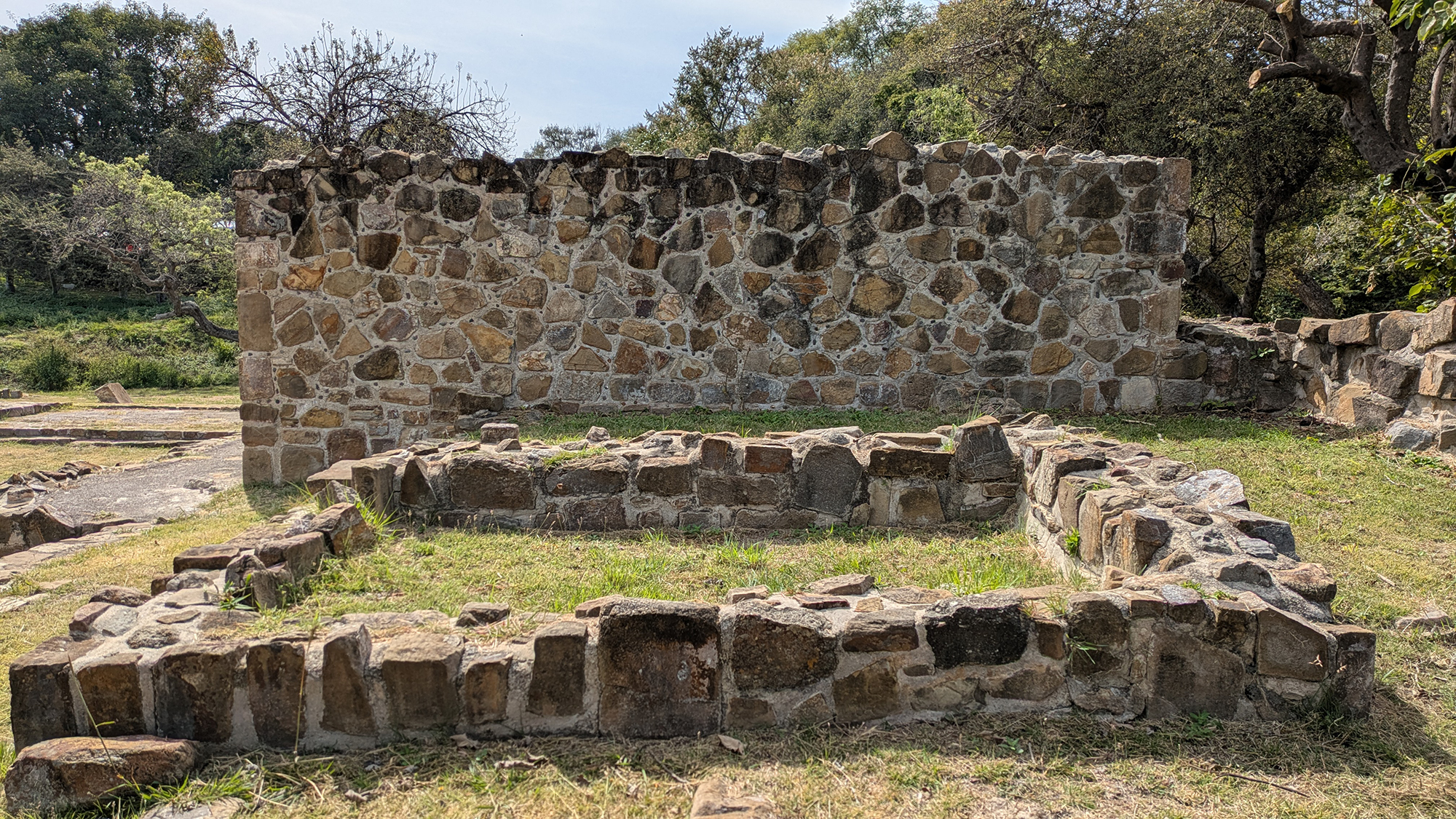
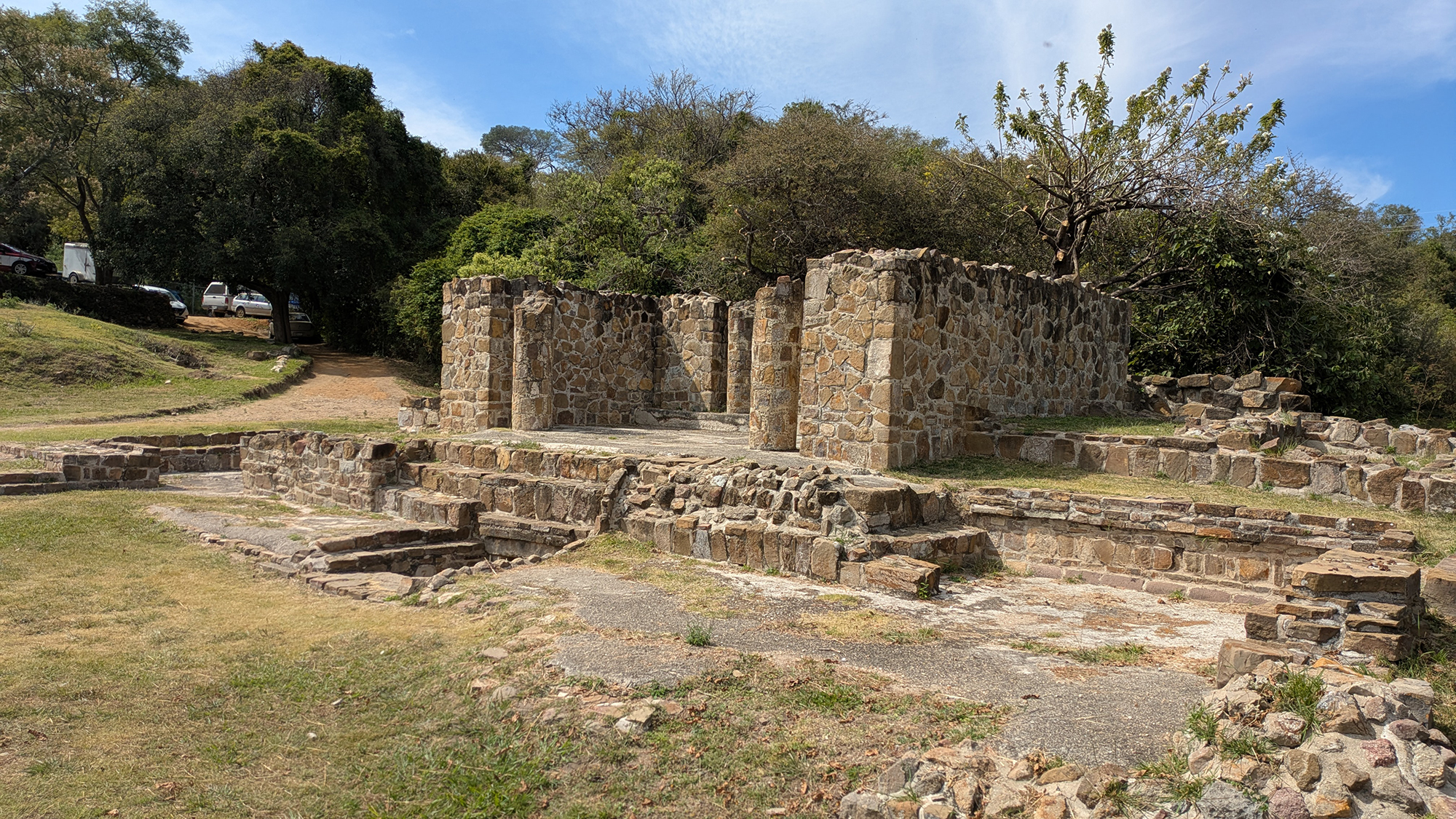
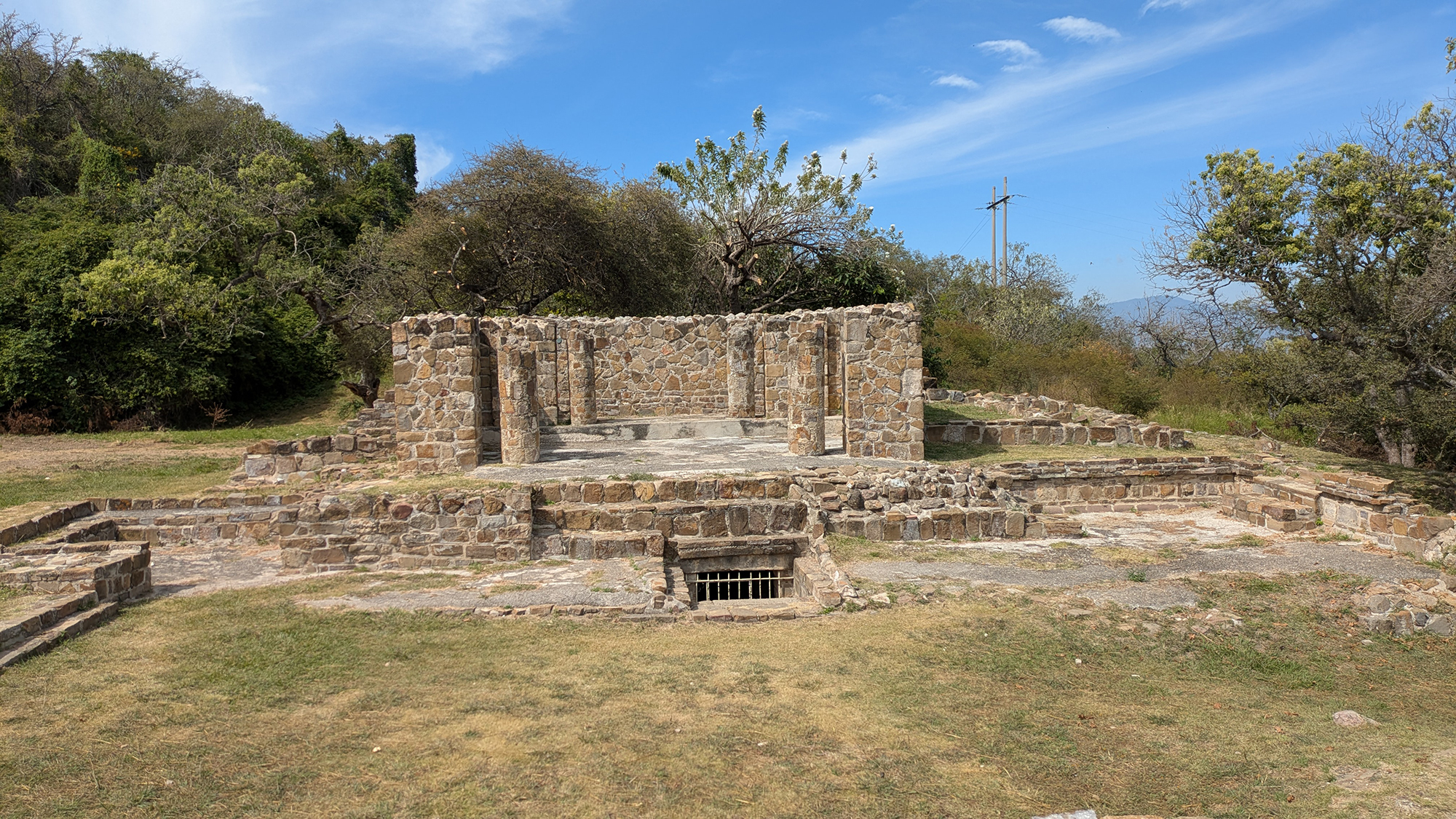
The structure is situated beneath the patio of an elite residential compound, categorized within the habitation-administrative logic of the sector north of the Main Plaza and below the North Platform. This location is strategically significant; even during Mixtec reuse, the deposit remained within a symbolically dense precinct of the ancient capital, implying a deliberate appropriation of Zapotec sacred geography.¹⁵Construction Logic
Architecturally, the complex consists of an antechamber and a primary burial chamber (approx. 6m x 4m), originally excavated into bedrock and reinforced with stone masonry and finished stucco during the Late Classic (MA IIIB-IV).² The subsequent Mixtec re-entry was technically distinct; evidence suggests the Postclassic occupants breached the structure through the roof rather than utilizing the original Zapotec portal. This indicates the tomb was viewed not as a site for standard funerary maintenance, but as a repository to be "reactivated" for new ritual depositions.⁶The Dual Biography: Zapotec Origin and Mixtec Shrine
Scholars emphasize the tomb's "dual biography" to distinguish between its functional phases. In its primary life, it served as a traditional Zapotec elite funerary structure. In its secondary life, centuries later, it was re-envisioned as a Mixtec ancestral shrine. The Mixtec presence at Monte Albán during the Postclassic was not a wholesale re-population but a ritualized reuse of the site as a sacred necropolis. Tomb 7 stands as the most prominent manifestation of this relationship, where dynastic memory and political legitimacy were fused with ancient sacred space.¹The "Treasure of Monte Albán": Assemblage Analysis
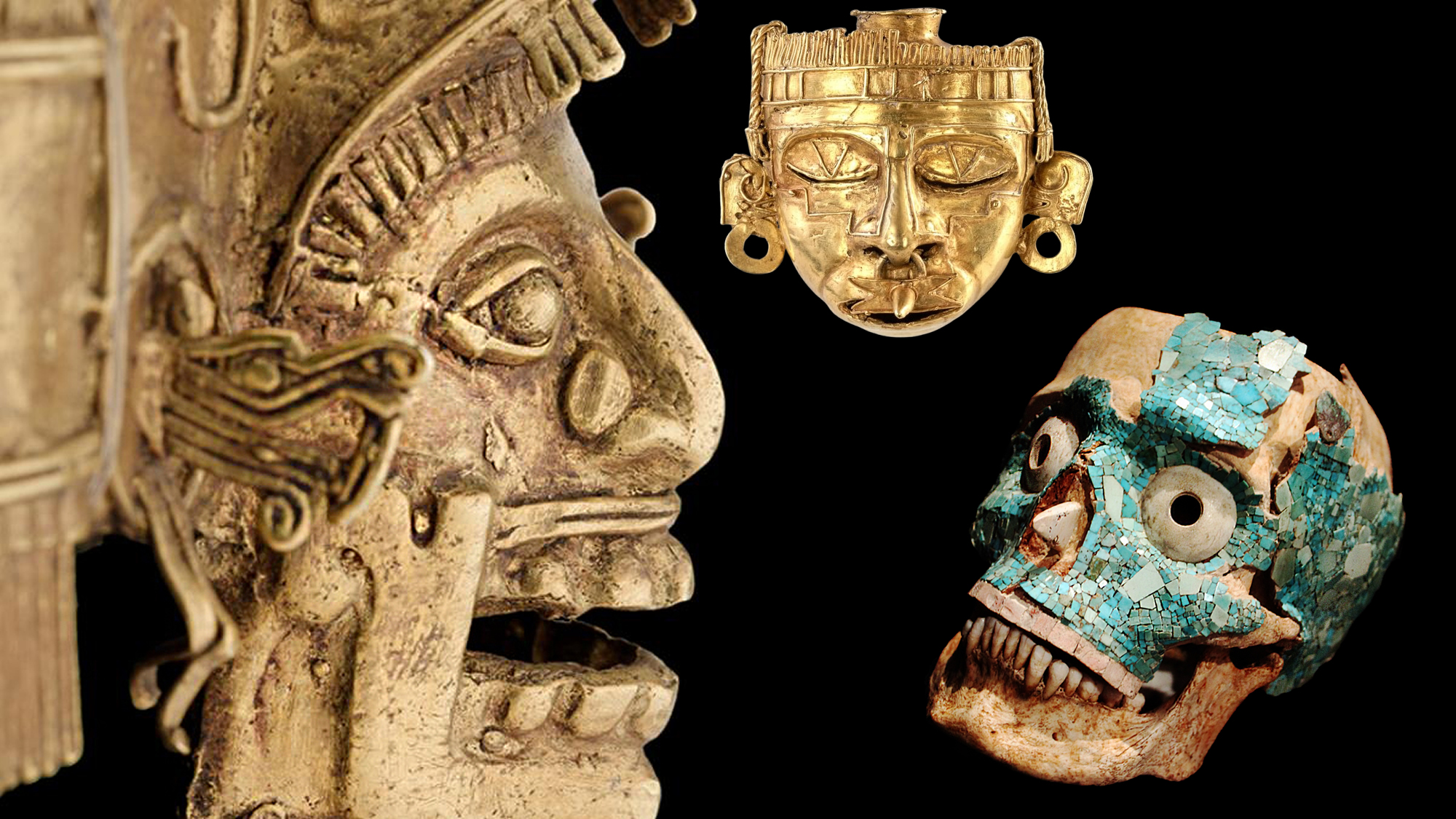
The deposit contains over 500 cataloged artifacts, representing the zenith of Mixtec craftsmanship. These items are categorized not merely as luxury goods, but as semiotic devices of status and cosmology.| Material Category | Artifact Examples & Institutional Significance |
|---|---|
| Metallurgy | Gold and silver pectorals, rings, and bells produced via lost-wax casting. Includes the renowned pectoral of Mictlantecuhtli (underworld deity).⁶ |
| Lapidary & Mosaic | The turquoise-covered skull, carved rock crystal vessels, jade ornaments, and shell inlays. Demonstrates extensive long-distance trade and elite patronage.⁷ |
| Organic Lithics | Carved jaguar and eagle bones bearing Zapotec logophonetic script and codex-style imagery. These act as a "portable archive" of genealogical and divinatory data.⁷ |
Epigraphic and Iconographic Significance
While the structure lacks monumental stone sculpture, its contents provide a concentrated visual statement of Postclassic Zapotec/Mixtec transition. Recent analyses of Bone 124 suggest a connection to a "Temple of Jewels" situated over a cave, positing that Tomb 7 may have functioned as a sacred speaking place or oracular shrine. This interpretation frames the tomb as an active ritual node for consultation, rather than a static burial chamber.⁷Identity Synthesis: The Individual A Debate
A primary debate in Oaxacan archaeology concerns the identity of Individual A, the principal figure interred within the Mixtec deposit. * The Traditional Model: Caso and Rubín de la Borbolla (1932) initially identified the occupant as a male sovereign based on the immense wealth and social assumptions regarding prestige burials.⁶ * The Re-engendering Model: McCafferty and McCafferty (1994) challenged this, identifying a "high-status weaving kit"—including bone spindles and associated tools—within the grave goods. They argue Individual A may have been a high-ranking female elite, potentially a queen or priestess of fertility and sacred authority.⁴⁸Cultural Legacy and Modern Curation
Tomb 7 effectively redefined the understanding of Mixtec artistic and symbolic sophistication. It stands as a testament to the enduring power of Monte Albán as a sacred landscape.Current Accessibility
To ensure long-term preservation, the original artifacts are curated at the Museo de las Culturas de Oaxaca (Santo Domingo). The in situ masonry at Monte Albán remains restricted to scholars and specialized conservation teams to maintain the integrity of the surviving stucco and stone elements.⁹Institutional References & Scholarly Sources
- Flannery, K. V., & Marcus, J. (1983). The Cloud People: Divergent Evolution of the Zapotec and Mixtec Civilizations. Academic Press.
- Marcus, J., & Flannery, K. V. (1996). Zapotec Civilization: How Urban Society Evolved. Thames & Hudson.
- UNESCO World Heritage Centre. "Historic Centre of Oaxaca and Monte Albán." #415.
- McCafferty, G. G., & McCafferty, S. D. (1994). "Engendering Tomb 7 at Monte Albán." Current Anthropology.
- HistoricalMX. "Tomb Seven at Monte Albán: Cultural Context and Location."
- Caso, Alfonso. (1969). El Tesoro de Monte Albán. Memorias del INAH.
- Jansen, Maarten. (2017). "Tomb 7 at Monte Albán: Iconography and the Carved Bones."
- McCafferty, G. G. (2010). "The Shrine of Tomb 7: Gender and Status in Postclassic Oaxaca."
- Sullivan, M. A. "Visual Index of Monte Albán: Tomb 7 Context."